
Key Takeaways
- Syrian Hamsters: Prone to entering “facultative hibernation” (torpor) when ambient room temperatures drop below 65°F (18°C).
- Dwarf Hamsters: Generally more cold-tolerant due to their steppe origins, but individual species (like Winter Whites) can alter their coats and physiology, though true hibernation is rarer and often mistaken for illness.
- The Dangers of Torpor: Unlike wild animals, captive pet hamsters can easily die from dehydration and starvation if they enter torpor indoors.
- Prevention is Key: Maintaining an ambient room temperature between 68°F and 75°F completely prevents accidental hibernation.
As a responsible pet owner, discovering your beloved pet hamster cold, stiff, and unresponsive can trigger immediate panic. Is your furry friend fast asleep, or have they entered hibernation? More importantly, did you know that the physiological response to cold differs drastically depending on the species? Understanding the nuances of Syrian and dwarf hibernation is crucial for every rodent enthusiast. While wild hamsters use hibernation to survive harsh winters, captive pet hamsters face mortal danger when triggered into this state inside a climate-controlled home.
Understanding Hamster Torpor vs. True Hibernation
Before diving into the specific differences between Syrian and dwarf hamsters, it is vital to clarify the terminology. Strictly speaking, most small rodents kept as pets do not experience true, multi-month mammalian hibernation (like bears or groundhogs). Instead, they enter a state called torpor—a short-term reduction of body temperature and metabolic rate.
Torpor can last anywhere from a few hours to several days. In the wild, it is an evolutionary survival mechanism triggered by dropping ambient temperatures and a scarcity of food. However, in a domestic home, a hamster entering torpor is usually a sign of environmental stress, specifically improper heating or inadequate nutrition.
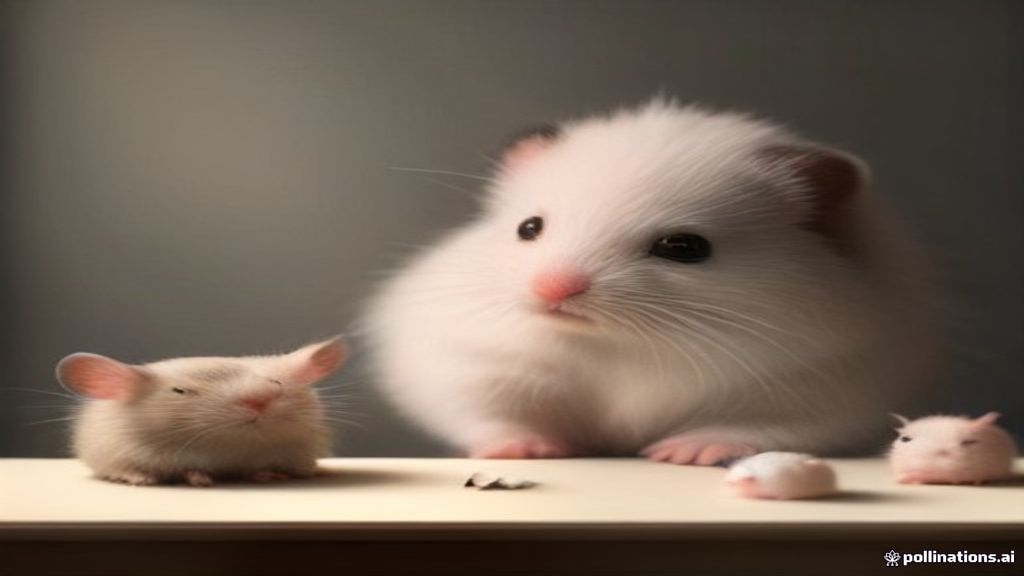
Syrian Hamster Hibernation: The Cold-Weather Risk
Syrian hamsters (Mesocricetus auratus), also known as golden hamsters, originate from the arid and semi-arid regions of the Middle East. Despite their desert ancestry, they possess a strong physiological trigger for torpor when environmental conditions become unfavorable.
Triggers for Syrian Hamster Torpor
- Temperature Drop: If the ambient room temperature drops below 65°F (18°C) for an extended period.
- Reduced Daylight: Shorter daylight hours mimic the onset of winter, signaling hormonal changes.
- Food Deprivation: A sudden lack of stored food or caloric intake can accelerate the onset.
When a Syrian hamster hibernates, its heart rate drops from around 400 beats per minute down to a mere 4 beats per minute, and its breathing slows down drastically. To an untrained eye, a hibernating Syrian hamster looks deceased. However, close inspection—such as gently touching the whiskers to look for a micro-twitch or holding a small mirror near the nose to check for condensation—will reveal life.
Dwarf Hamster Hibernation: Species-Specific Responses
When looking at dwarf hamsters, the rules change quite a bit. The term “dwarf hamster” typically encompasses four common pet species: Winter White (Phodopus sungorus), Campbell’s Russian (Phodopus campbelli), Roborovski (Phodopus roborovskii), and Chinese hamsters (Cricetulus griseus).
Cold Adaptations in Dwarfs
Winter White dwarf hamsters originate from the freezing steppes of Siberia and northern Mongolia. Because of their native climate, they have evolved incredible adaptations to cold weather:
- Coat Coloration: Many Winter Whites turn completely white in winter to blend into snow, a process triggered by shortening photoperiods.
- Metabolic Adjustments: They increase their food hoarding behavior and huddle together if kept in pairs or groups, vastly reducing heat loss.
- Lower Torpor Threshold: While they can enter torpor if conditions become extremely cold, they are generally hardier against minor drops in temperature compared to Syrian hamsters.
On the other hand, Roborovski hamsters originate from the hot deserts of Central Asia and have virtually no natural tolerance for cold. If a Roborovski experiences a cold draft, it is far more likely to succumb to rapid hypothermia or illness rather than entering a controlled state of torpor.
Comparative Breakdown: Syrian vs. Dwarf Cold Response
| Feature | Syrian Hamsters | Dwarf Hamsters (Winter White/Campbell’s) |
|---|---|---|
| Native Climate | Arid Middle East (Warm/Dry) | Siberian Steppes / Cold Grasslands |
| Torpor Likelihood | High when ambient temp drops below 65°F | Moderate to Low; heavily adapted to cold |
| Physical Changes | None; remains golden/agouti | Coat may turn white (Winter Whites) |
| Danger Level | Extremely high risk of fatal dehydration | High risk of illness or rapid hypothermia |
How to Safely Awaken a Hibernating Hamster
If you discover that your Syrian or dwarf hamster has entered torpor, you must act quickly and carefully. Do not attempt to rapidly shock their system with high heat, as this can cause fatal cardiovascular failure.
- Move to a Warm Room: Bring the enclosure or gently transfer the hamster to a room where the temperature is steadily maintained between 70°F and 75°F (21°C–24°C).
- Provide Gentle Heat: Place a heating pad set to its lowest setting *underneath* one half of the enclosure, ensuring the hamster has a cool area to retreat to if needed. Never apply direct, intense heat.
- Offer Hydration and Nutrition: As the hamster begins to slowly twitch, wake up, and shiver (shivering is normal as they generate body warmth), offer warm water via a syringe (droplets on the lips) and high-calorie recovery food or crushed seeds.
- An awakening hamster can take anywhere from 1 to 3 hours to become fully active and alert. Monitor them continuously during this recovery phase.
Conclusion
While Syrian and dwarf hamsters react differently to dropping temperatures due to their unique evolutionary backgrounds, neither species should ever be allowed to hibernate as a domestic pet. Syrian hamsters are particularly vulnerable to sudden torpor when room temperatures slip below 65°F, whereas hardy dwarf species like Winter Whites possess stronger cold adaptations but still face severe health risks. By keeping your pets in a stable, climate-controlled environment and monitoring room temperatures closely during seasonal changes, you can ensure your furry companions stay warm, safe, and active year-round.

