
Key Takeaways
- Solitary Nature: Syrian hamsters must live alone, while some dwarf species are more social but often thrive best solo in captivity.
- Size Matters: Syrians reach 5-7 inches, requiring larger cages and bigger wheels than dwarf breeds.
- Temperament: Syrians are generally easier to handle and tame; Dwarfs are faster and more skittish.
- Habitat: Both require substantial floor space, but Dwarf hamsters need smaller bar spacing to prevent escapes.
Understanding the Basics: Syrian vs. Dwarf Hamsters
When entering the world of rodent keeping, the choice often narrows down to the two most popular groups: the Syrian hamster (often called the Teddy Bear or Golden hamster) and the various Dwarf species (including Winter Whites, Campbells, and Roborovskis). While they belong to the same taxonomic family, their needs, behaviors, and social requirements differ significantly.
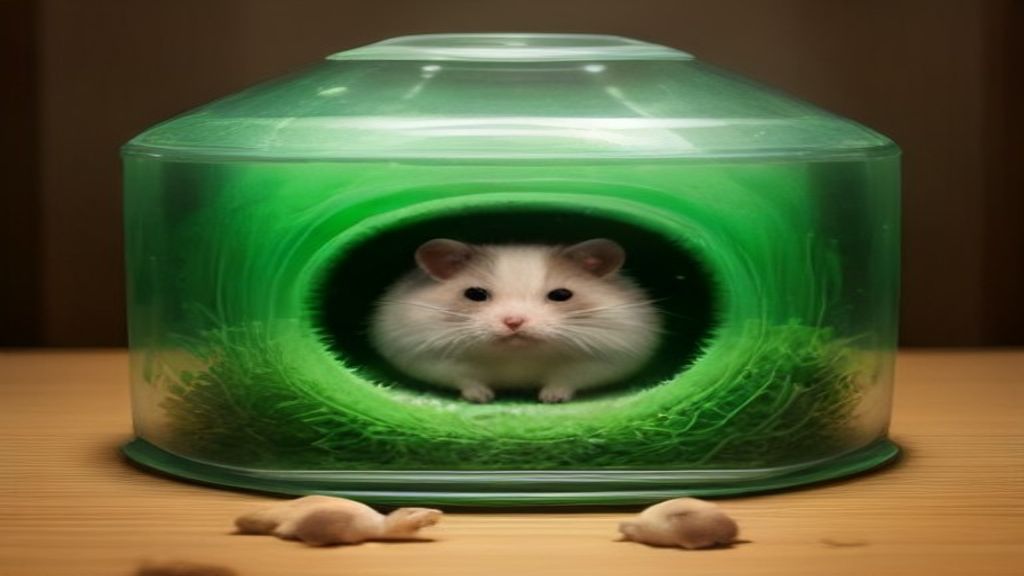
Comparing Key Physical and Behavioral Traits
To provide the best life for your pet, it is essential to understand their physiological differences. Use the table below to quickly assess which breed matches your lifestyle.
| Feature | Syrian Hamster | Dwarf Hamster |
|---|---|---|
| Size | 5-7 Inches | 2-4 Inches |
| Social Needs | Strictly Solitary | Variable (Solitary recommended) |
| Temperament | Docile, slower | Active, fast, skittish |
| Cage Needs | Large (11″+ wheel) | Medium (8″+ wheel, tight bars) |
The Syrian Hamster: The Ideal Beginner Pet
Syrian hamsters are the most popular pet rodent, and for good reason. Their larger size makes them less fragile for gentle children and first-time owners. They are crepuscular, meaning they are active during twilight, and they are famously territorial. A Syrian hamster will fight to the death if another hamster is introduced to its territory, so they must always be kept in single-occupancy housing.
The Dwarf Hamster: High-Energy Companions
Dwarf hamsters, particularly the Roborovski and Winter White, are diminutive marvels of energy. Because they are much smaller and faster, they are generally better suited for adults or older children who can handle them with patience and care. Their speed makes them difficult to hold, and they often prefer exploring their environment over sitting in a hand.

Habitat and Enrichment Requirements
Regardless of the species, “small cage syndrome” is a major issue in the rodent community. Many store-bought cages are far too small for these active animals.
- Syrian Requirements: Due to their size, Syrians need larger accessories. An 11-inch or 12-inch diameter wheel is non-negotiable to prevent spinal curvature.
- Dwarf Requirements: While they are small, they are incredibly active. They require high-quality substrate for deep burrowing (at least 6-8 inches of depth). Because they are tiny, ensure your cage bar spacing is less than 0.5 inches to prevent escape.
Health Considerations
Syrian hamsters are prone to a condition known as “wet tail” (proliferative ileitis), usually triggered by stress. Dwarf hamsters are more frequently predisposed to diabetes, especially the Campbell’s and Winter White hybrids. A low-sugar diet consisting of high-quality lab blocks and specific seeds is essential for all, but particularly for dwarfs.
Conclusion
Whether you choose the stately, predictable Syrian or the hyper-energetic Dwarf, both make rewarding pets if their specific needs are met. Always prioritize a large, enriching enclosure, high-quality nutrition, and frequent socialization. By respecting the differences between these species, you ensure a long, healthy, and happy life for your new small companion.

