
Key Takeaways
- Syrian hamsters are prone to a state called ‘torpor’ triggered by cold temperatures or shortening daylight.
- Dwarf hamsters (such as Campbells or Winter Whites) exhibit different seasonal photoperiod responses, but often remain active if temperature is stable.
- Torpor is often mistaken for death; it is a life-threatening physiological stress response, not a normal seasonal cycle for domestic hamsters.
- Maintaining a stable room temperature (65°F-75°F / 18°C-24°C) is the best prevention against hibernation-like states.
Understanding Hamster Hibernation vs. Torpor
As a rodent care specialist, the most common emergency call I receive during the autumn months involves a panicked owner reporting that their hamster has passed away. In the vast majority of these cases, the hamster is not dead—it is in a state of torpor, often mistakenly referred to as hibernation. Understanding the physiological differences between how Syrian and Dwarf species respond to environmental changes is vital for every hamster owner.

The Syrian Hamster: The Master of Torpor
Syrian hamsters (Mesocricetus auratus) are biologically programmed for the desert climate of the Middle East. While they do not engage in deep, months-long hibernation like a bear, they possess the ability to enter ‘facultative hibernation,’ or torpor. This occurs when the ambient temperature drops significantly (usually below 60°F or 15°C) or when they perceive a drastic reduction in daylight hours.
Signs Your Syrian Hamster is in Torpor
- Body Temperature: The hamster feels cool or cold to the touch.
- Respiration: Extremely shallow breathing that may be nearly impossible to detect without observation over several minutes.
- Muscle Tone: The limbs may appear stiff or lethargic; the animal is unresponsive to touch.
- Heart Rate: Drastically slowed to conserve metabolic energy.
Dwarf Hamster Responses: A Different Strategy
Dwarf hamster species (Phodopus campbelli, Phodopus sungorus, and Phodopus roborovskii) have different evolutionary backgrounds. Winter Whites, for example, are known to undergo changes in coat color to camouflage in snow, but they do not typically enter the same depth of torpor as Syrians. However, they are still sensitive to cold stress. If a Dwarf hamster appears cold and unresponsive, it is likely a symptom of illness or severe hypothermia rather than a natural ‘hibernation’ cycle.
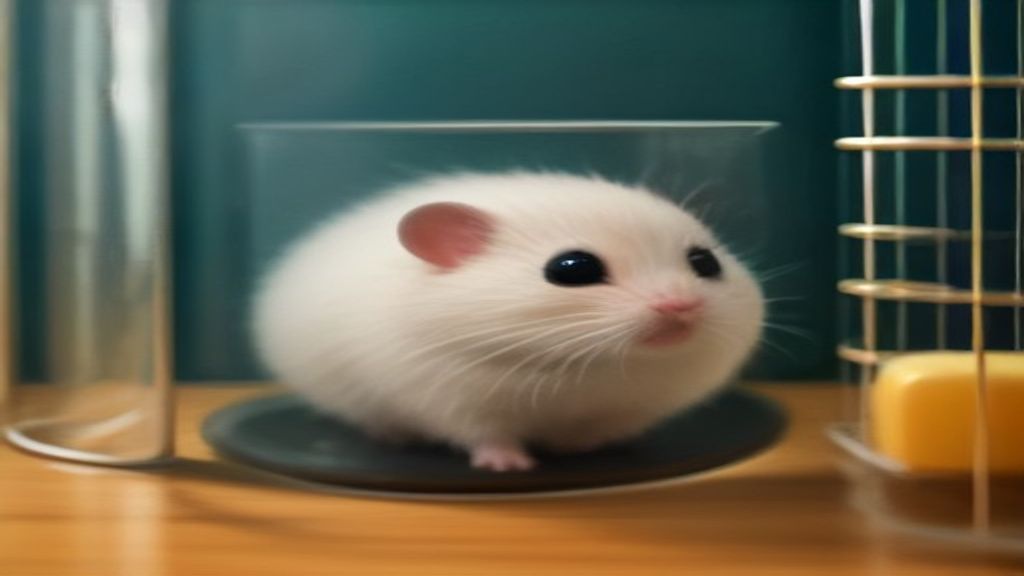
Comparison Table: Syrian vs. Dwarf Environmental Sensitivity
| Feature | Syrian Hamster | Dwarf Hamster |
|---|---|---|
| Torpor Trigger | Cold temperatures / Low light | Rarely enters torpor; prefers heat |
| Risk Level | High (Can be fatal if prolonged) | High (Usually signals illness/shock) |
| Behavioral Change | Becomes stiff, cold, unresponsive | Lethargic, cold, potentially sick |
| Prevention | Consistent room temp (65°F+) | Consistent room temp (68°F+) |
Practical Care: How to Prevent and Respond
Preventing Hibernation-Like States
The golden rule for hamster care is simple: consistency. Avoid placing cages near drafty windows, air conditioning vents, or on cold tile floors. If your home gets cold during the winter, consider a ceramic heat emitter (with a thermostat) or moving the enclosure to an interior room.
What to Do If You Suspect Torpor
- Gentle Warming: Hold the hamster in your hands against your body heat. Your warmth is the safest, most gradual way to assist them.
- Avoid Extremes: Do not use hair dryers or direct heating pads, as these can cause shock or burns.
- Patience: It can take anywhere from 30 minutes to several hours for a hamster to emerge from torpor.
- Seek Veterinary Care: Once the hamster is awake, book a vet appointment immediately. Even if they recover, you must rule out underlying infections or metabolic issues.
Conclusion
While the prospect of ‘hibernation’ sounds natural, for a domestic hamster, it is an emergency response to an inhospitable environment. Whether you own a Syrian or a Dwarf species, your goal should be to provide a climate-controlled, stable habitat year-round. By recognizing the signs of torpor and understanding that it is a sign of distress, you can ensure your hamster lives a long, healthy, and alert life without the dangers of accidental hibernation.

