
Few sounds cause as much immediate dread as scratching inside your drywall or discovering shredded engine wiring under your vehicle’s hood. Rodents cause billions of dollars in structural and automotive damage every year. While hiring professional exterminators often costs hundreds of dollars for a single visit (as detailed in our guide on the typical cost to rodent-proof a house), true long-term success comes from DIY physical exclusion.
In this comprehensive rodent proofing guide, we break down the exact strategies, veterinary-approved safety precautions, and top-rated tools to seal your home, garage, and vehicle against mice, rats, and squirrels permanently.
💡 Key Takeaways: Rodent-Proofing at a Glance
- Physical Exclusion is Mandatory: Mice can slip through a 1/4-inch gap (the size of a dime) and rats through 1/2-inch. Standard foam or plastic will be chewed through within hours—always use stainless steel mesh like Xcluder.
- Protect Soy-Based Car Wires: Modern vehicle electrical harnesses attract rodents seeking shelter and nesting insulation. Installing a battery-operated ultrasonic strobe repeller and capsaicin tape saves ,000+ in wiring harness repairs.
- Multi-Layered Strategy Wins: Long-term success requires combining physical sealing (steel fabric/copper mesh), active humane trapping, and perimeter deterrence (peppermint concentrates).
Top Recommended Rodent-Proofing Essentials (2026 Picks)
Here are the top three tools field-tested by homeowners and automotive mechanics for immediate protection:
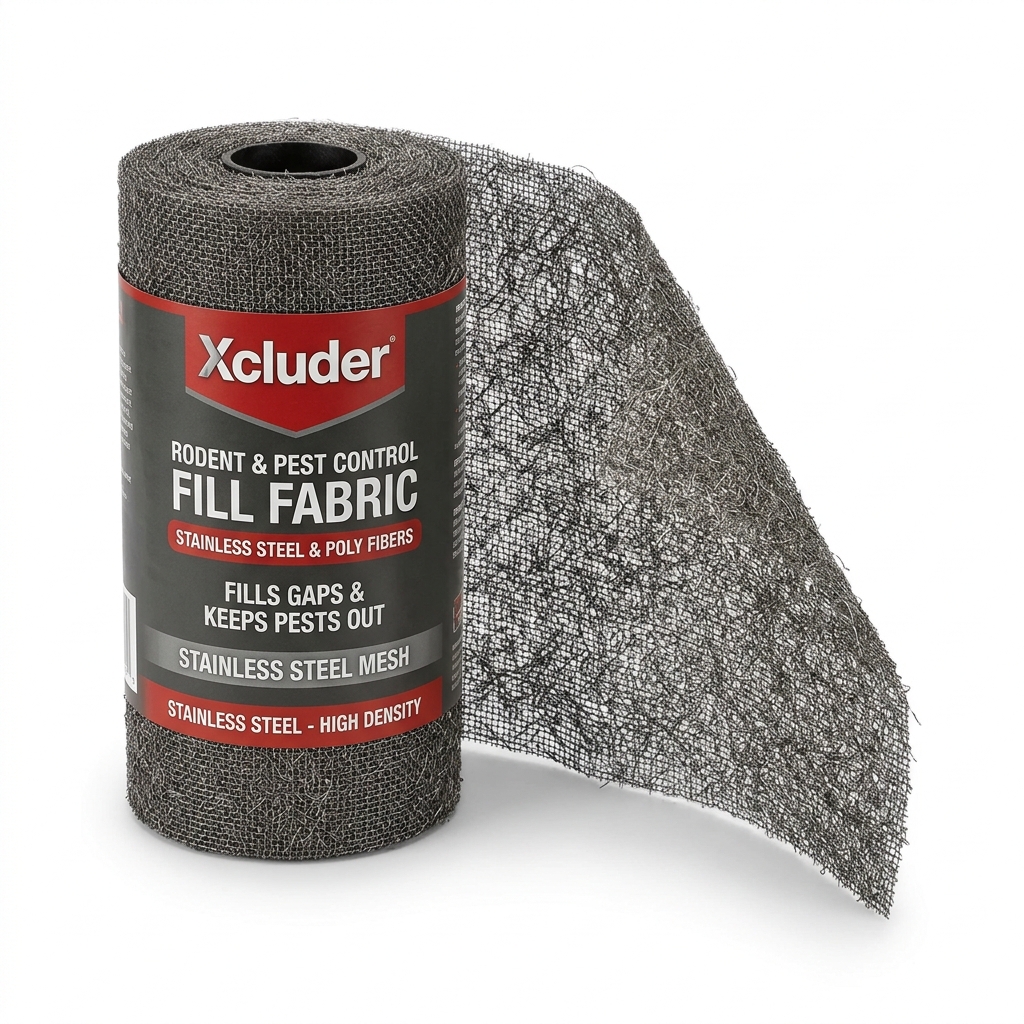
Xcluder Rodent Control Fill Fabric
Specially woven stainless steel and poly-fiber wool that rodents cannot chew through. Won’t rust, corrode, or stain brick and weep holes.
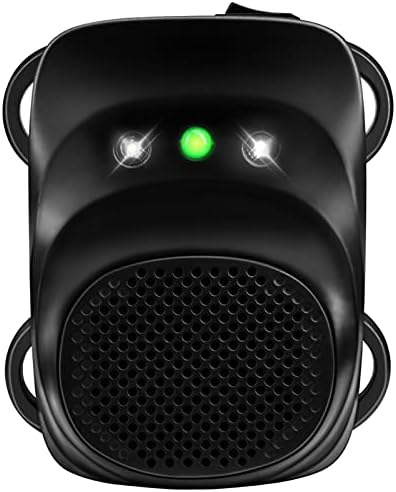
Loraffe Under-Hood Ultrasonic Repeller
Battery-operated with automated LED strobe flashes and shifting ultrasonic frequencies. Prevents catastrophic chewed wiring in cars and trucks.
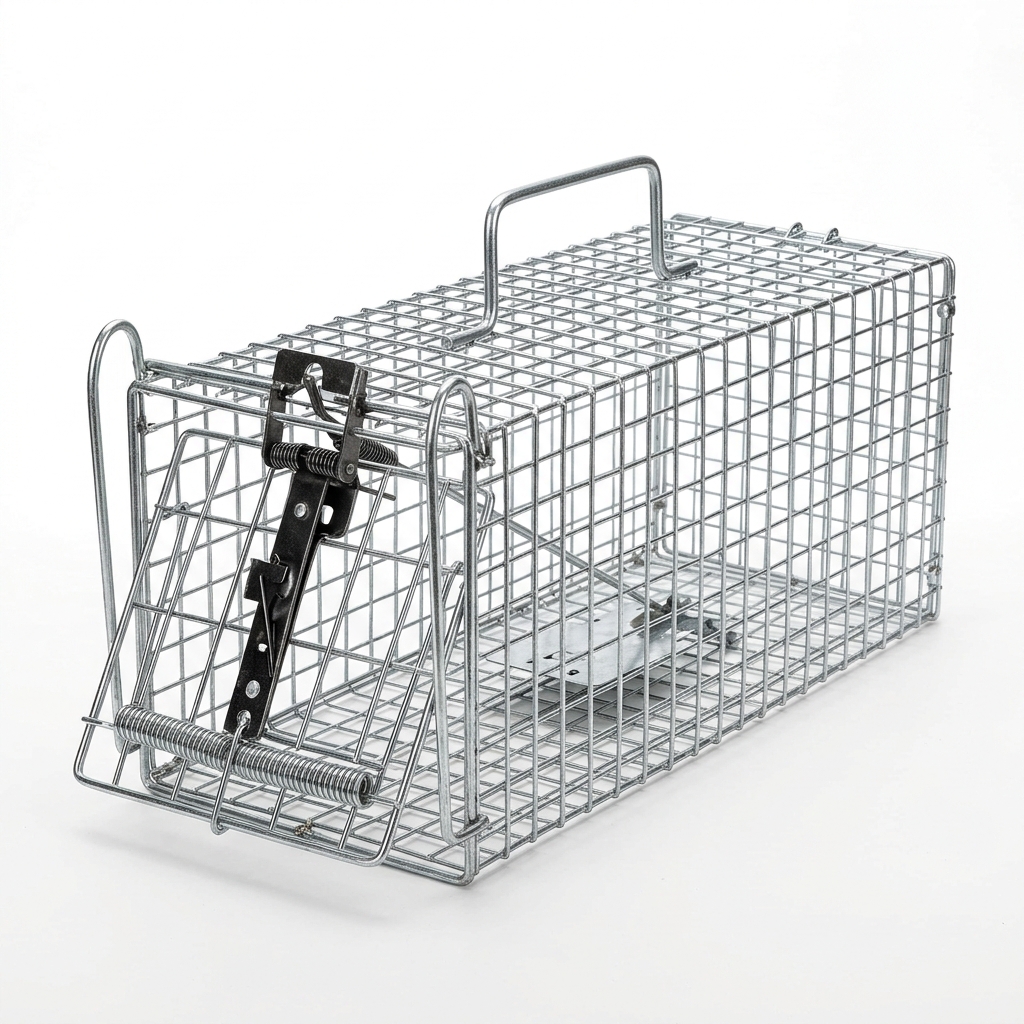
Havahart 1079 One-Door Live Animal Trap
Rust-resistant galvanized steel with rolled interior edges to protect animals from injury. Ideal for humane trapping of large rats, squirrels, and groundhogs.
Comparison: The Best Rodent Proofing Hardware
| Product | Primary Use | Chew Resistance | Installation Ease | Amazon Link |
|---|---|---|---|---|
| Xcluder Fill Fabric | Weep holes, pipe gaps, crawlspaces | ⭐⭐⭐⭐⭐ (Impenetrable) | High (Scissors & Gloves) | View on Amazon |
| Loraffe Under-Hood Repeller | Engine bay & vehicle wiring | ⭐⭐⭐⭐ (Active Deterrent) | Very High (Zip ties / Battery) | View on Amazon |
| Honda Capsaicin Rodent Tape | Wire harnesses & electrical cables | ⭐⭐⭐⭐⭐ (Extreme Heat Deterrent) | Moderate (Tape wrap) | View on Amazon |
| Havahart 1079 Live Trap | Yard, attic & shed capture | ⭐⭐⭐⭐⭐ (Galvanized Steel) | High (Pre-assembled) | View on Amazon |
| Grandpa Gus’s Pouches | Closets, RVs, cabins, pantries | ⭐⭐⭐ (Olfactory Deterrent) | Immediate (Place & Go) | View on Amazon |
In-Depth Reviews: The Best Products for Complete Rodent Defense
1. Xcluder Rodent Control Fill Fabric — The Gold Standard in Structural Sealing
Most homeowners make the mistake of using standard hardware store spray foam or steel wool to seal gaps. Regular steel wool rusts and disintegrates within months when exposed to weather, and mice chew right through standard foam. Xcluder combines coarse stainless steel mesh and non-corrosive poly fibers that create an impenetrable barrier spring-loaded to fit tightly into irregular openings.
✓ What We Like
- 100% rustproof stainless steel fiber
- Expands into voids without sagging
- Approved by pest control professionals worldwide
✗ Potential Drawbacks
- Must wear heavy-duty gloves during cutting
- Requires shears to trim to size
2. Loraffe Under-Hood Ultrasonic Animal Repeller — Proven Engine Bay Protection
Modern automakers switched to biodegradable soy-based wire coatings that smell like food to foraging mice, rats, and squirrels. For vehicles parked outdoors or in attached garages, wire damage can cost upwards of ,000 to replace harness assemblies. The Loraffe Under-Hood Repeller installs cleanly under the hood and emits alternating ultrasonic soundwaves (25kHz–55kHz) paired with blinding LED strobe flashes.
To learn more about why rodents target vehicles, check our dedicated breakdown on preventing rodents from chewing car wires.
✓ What We Like
- Runs on 3 AA batteries or hardwires to 12V battery
- Automatic vibration sensor turns off while driving
- Non-toxic and 100% safe for household pets
✗ Potential Drawbacks
- Batteries require replacement every 2–3 months
3. Honda Rodent-Proof Capsaicin Tape — The Ultimate Physical Wire Armor
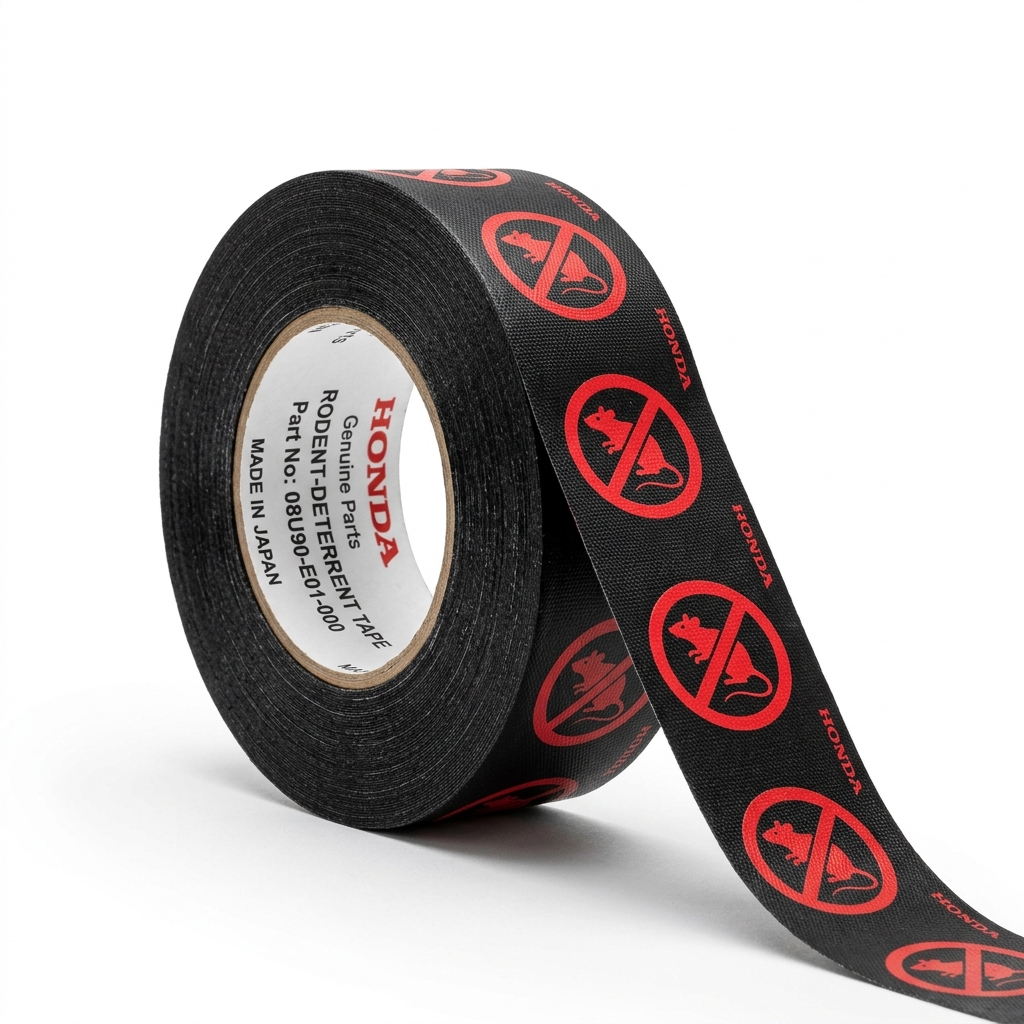
Originally developed by Honda in response to class-action lawsuits over soy wire insulation, this genuine OEM electrical tape is infused with concentrated capsaicin (the active chemical that makes chili peppers blisteringly hot). When a rat or squirrel attempts to gnaw on a wrapped harness, the intense burning sensation immediately halts chewing behavior.
✓ What We Like
- Universal fit for any vehicle make and model
- Printed with rodent warning symbols
- Provides permanent physical protection
✗ Potential Drawbacks
- Higher cost per roll than standard electrical tape
- Must wash hands thoroughly after installation
4. Havahart 1079 One-Door Humane Animal Trap — Safe & Ethical Capture
Poisons and anticoagulant rodenticides pose severe secondary toxicity hazards to predatory birds (owls, hawks) and domestic pets. The Havahart 1079 is engineered specifically for humane live trapping. Constructed with premium galvanized wire mesh, the sensitive trigger plate guarantees swift catch without snapping on the animal’s limbs or tail.
✓ What We Like
- Smooth internal rolled edges prevent injury
- Solid metal handle guard protects your hands during transport
- Re-usable for years without degrading
✗ Potential Drawbacks
- Requires regular checking twice daily
5. Grandpa Gus’s Extra Strength Peppermint Pouches — Safe Botanical Scent Barrier
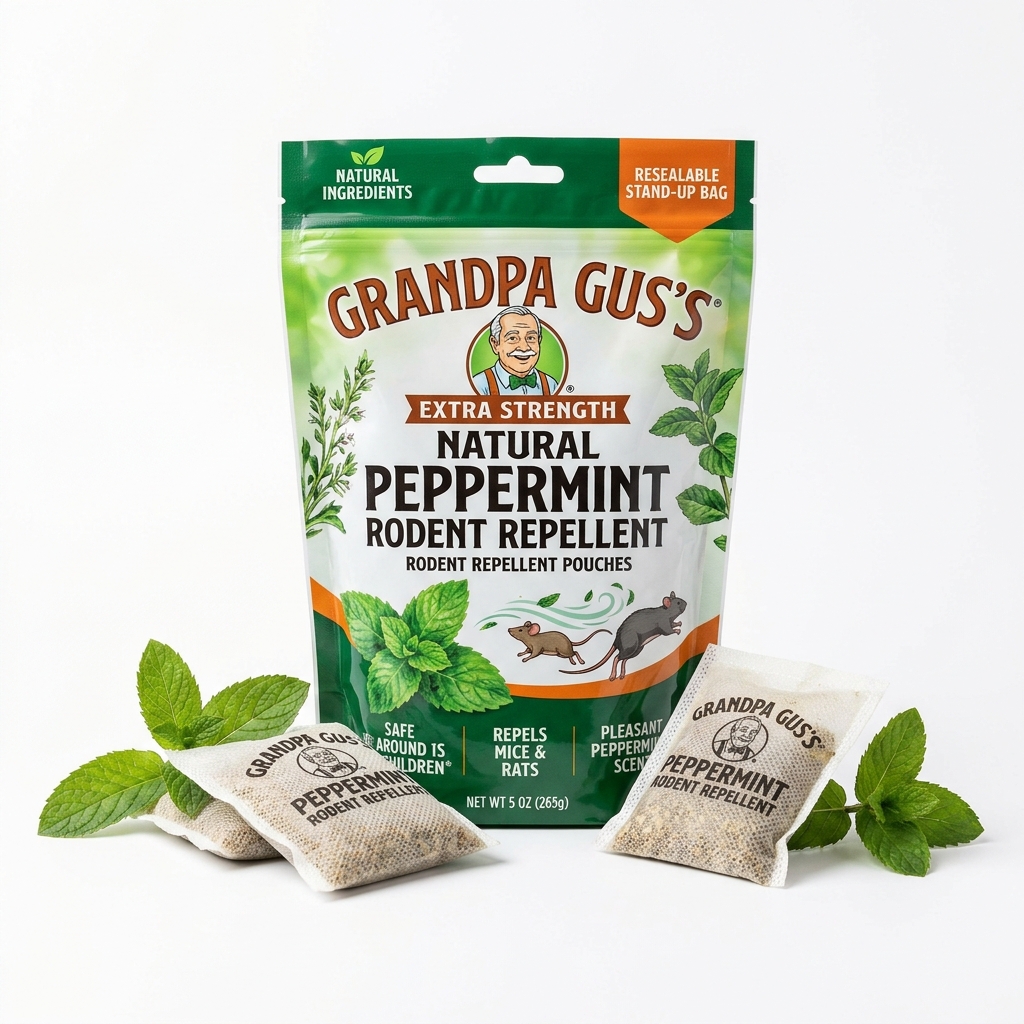
In enclosed indoor areas like pantry shelves, linen closets, RV compartments, and cabin drawers, mechanical traps can be difficult to place. Grandpa Gus’s Pouches harness high-concentration peppermint and cinnamon essential oils. While pleasant to human noses, the intense menthol compounds overwhelm the hyper-sensitive olfactory systems of rodents, triggering an instinctive flee response.
✓ What We Like
- No poisons, chemicals, or dangerous snap bars
- Safe around children and pets when used as directed
- Provides crisp fresh botanical scent for up to 90 days
✗ Potential Drawbacks
- Best for enclosed spaces; less effective in drafty open areas
Step-by-Step Home & Attic Rodent Proofing Protocol
Step 1: The Perimeter Foundation Audit
Walk around your home’s foundation on a bright day. Inspect siding joints, air conditioning line penetrations, dryer vents, and weep holes in brick facades. Any gap larger than a pencil (1/4 inch) must be packed tightly with Xcluder stainless steel fabric. After packing the mesh, seal over the surface with polyurethane caulk or pest-resistant expanding foam to block air currents.
Step 2: Roofline & Attic Eaves Exclusion
Roof rats and tree squirrels access attics via overhanging tree limbs. Trim all branches back at least 6 to 8 feet from your roofline. Inspect roof ridge vents, dormer corners, and gable louvers. Install 1/4-inch galvanized hardware cloth behind all exterior attic vents to prevent chewing.
Step 3: Garage & Utility Room Sealing
The rubber gasket on the bottom of overhead garage doors is a primary entry point. Replace worn rubber weatherstripping with a heavy-duty aluminum track and steel-reinforced bottom seal. Seal around laundry drain pipes and water heater utility cutouts inside the home.
Step 4: Deep Sanitization & Odor Neutralization
Rodents navigate using pheromone trails in their urine. Even after sealing entry holes, lingering scent trails attract new rodents to the perimeter. For detailed steps on neutralizing urine odor without damaging surfaces, read our guide on getting rid of rat urine smell using enzymatic cleaners.
Frequently Asked Questions (FAQ)
Can mice chew through expanding spray foam?
Yes. Standard polyurethane expanding foam is soft and easily gnawed through by mice in under an hour. To create a rodent-proof seal, you must first pack the opening with stainless steel wire mesh (such as Xcluder or copper mesh), then apply pestblock foam over it.
Does peppermint oil really repel mice and rats?
High-concentration 100% pure peppermint oil and specialized pouches (like Grandpa Gus) irritate the sensitive trigeminal nerve system of rodents, making confined spaces unpleasant. However, peppermint alone will not stop a mouse if entry holes remain unsealed or food is easily accessible.
Why do rodents target car engine wiring?
Automakers adopted soy-based bio-plastics for wire harness insulation to reduce petroleum usage. Warm, secluded engine bays provide the ideal shelter, and the soy insulation serves as a chew toy to wear down their constantly growing incisors. Installing an ultrasonic strobe repeller and capsaicin tape is the most effective preventative measure.
What size opening can a mouse or rat fit through?
A full-grown house mouse can squeeze through an opening as small as 1/4 inch (6 mm)—roughly the diameter of a standard pencil or dime. A juvenile rat can fit through a 1/2-inch gap. If a rodent can get its skull through a gap, its flexible ribcage can collapse to follow.

