
Key Takeaways
- Natural Predators: Rats instinctively fear predators like cats, dogs, owls, and ferrets.
- Sensory Overload: They hate strong, pungent smells (peppermint, ammonia), loud ultrasonic noises, and bright flashing lights.
- Neophobia: Rats suffer from an extreme fear of new objects or changes in their environment, which helps them avoid traps.
- Open Spaces: Being prey animals, rats prefer hugging walls and dark cover rather than crossing open, brightly lit areas.
As an expert zoologist and rodent care specialist at Rodents Info, I often get asked: What are rats afraid of? Understanding the deep-seated fears and evolutionary instincts of these highly intelligent rodents is the key to humane deterrence and effective pest control. While rats are notoriously adaptable and thrive alongside humans, they are fundamentally prey animals with acute survival instincts.
In this comprehensive guide, we will break down the natural phobias, sensory triggers, and environmental deterrents that send rats running in the opposite direction.
1. The Ultimate Threat: Natural Predators
At the core of a rat’s survival strategy is an innate terror of predators. Because rats occupy a low rung on the food chain, their nervous systems are hardwired to detect and flee from animals that hunt them.
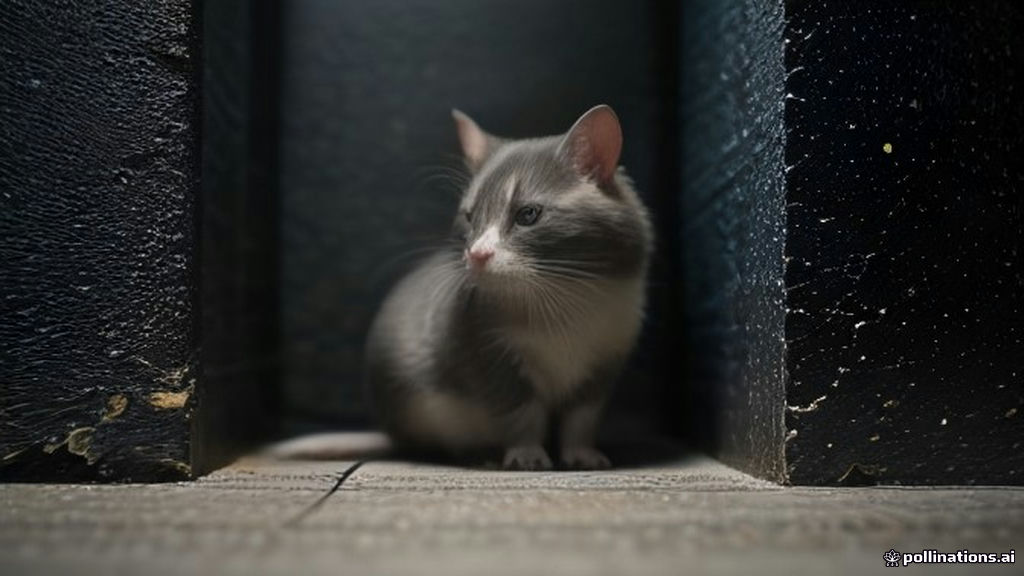
- Cats and Dogs: While not all house cats are avid mousers, the scent of feline urine and the sound of a cat moving about are major stress factors for rats. Dogs—especially terriers bred for hunting vermin—instill immediate panic.
- Birds of Prey: Owls, hawks, and eagles hunt rats from above. The silent flight and sharp vision of raptors make open outdoor spaces terrifying for foraging rodents.
- Mustelids (Ferrets, Weasels, and Minks): These slender predators can fit directly into rat burrows, making them the ultimate nightmare fuel for a colony of rats.
2. Sensory Aversions: Smells, Sounds, and Lights
Rats rely heavily on their acute senses of smell, hearing, and touch. Overwhelming or threatening these senses is one of the most popular ways to deter them.
Strong Scents That Repel Rats
Rats have a powerful sense of smell, which they use to find food and navigate. However, certain pungent odors overwhelm their olfactory receptors and make them feel unsafe:
- Peppermint Oil: The intense menthol scent is deeply unpleasant to rats.
- Ammonia: Mimics the scent of predator urine, signaling immediate danger.
- White Vinegar & Essential Oils: Eucalyptus, citronella, and clove oils can temporarily mask pheromone trails and drive them away.
Noises and Lights
Sudden, unfamiliar noises disrupt a rat’s sense of security. While standard noise can startle them, they quickly habituate to consistent sounds unless they are irregular. Similarly, nocturnal by nature, rats despise bright, sudden bursts of light, which is why motion-activated floodlights can be effective outdoor deterrents.
3. Psychological Fears: Neophobia and Open Spaces
Beyond physical threats, rats possess psychological quirks that dictate their movement.
Neophobia (Fear of the New)
Neophobia is the fear of anything new. If you place a new object—like a trap or a cardboard box—in a rat’s familiar runway, they will actively avoid it for days. This evolutionary trait protects them from traps, but it also makes pest eradication tricky.
Thigmotaxis (Fear of Open Spaces)
Rats suffer from thigmotaxis, meaning they prefer to travel along walls, fences, and dark corners rather than cross open rooms. Exposing them by removing clutter and keeping yards clear of tall grass strips away their sense of security.
Comparison of Rat Deterrents
| Deterrent Type | Effectiveness | Pros | Cons |
|---|---|---|---|
| Essential Oils (Peppermint) | Moderate | Natural, safe for pets and humans | Wears off quickly; requires reapplication |
| Predator Scents (Ammonia) | High (Short-term) | Triggers primal fear responses | Strong chemical smell; hazard in enclosed spaces |
| Ultrasonic Repellents | Low to Moderate | Low maintenance, silent to humans | Rats easily habituate to the sound waves |
| Environmental Clearing | High (Long-term) | Removes nesting grounds and pathways | Requires physical labor and ongoing maintenance |
Conclusion
Knowing what rats are afraid of allows homeowners and pet owners to take proactive, humane steps to keep their properties rodent-free. By eliminating food sources, sealing entry points, introducing natural deterrent scents, and keeping areas free of clutter, you exploit their deepest biological fears and make your space unlivable for them.

