
Key Takeaways
- There is no such thing as a ‘Syrian’ or ‘Dwarf’ chinchilla species.
- All pet chinchillas are descendants of Chinchilla lanigera or the rarer Chinchilla chinchilla.
- Size differences in chinchillas are usually due to genetics, age, or gender, not distinct breed varieties.
- Always prioritize reputable breeders or rescues over stores using misleading ‘dwarf’ terminology.
The Myth of Syrian and Dwarf Chinchillas
If you have spent any time browsing online classifieds or social media pet groups, you may have encountered advertisements for ‘Syrian’ or ‘Dwarf’ chinchillas. As a rodent care specialist, I must clarify this immediately: these terms do not exist in the biological classification of chinchillas.
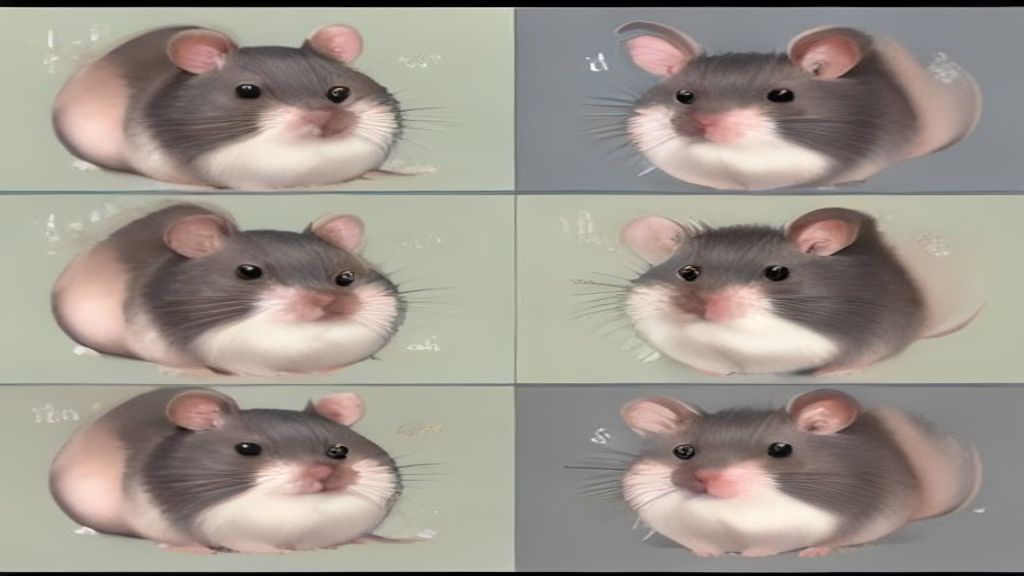
This confusion often stems from the hamster hobby. Hamsters famously have ‘Syrian’ and ‘Dwarf’ (such as Winter White or Campbell’s) varieties. Sellers who are less familiar with rodent taxonomy often incorrectly apply these labels to chinchillas, causing significant confusion for prospective owners. In reality, all domestic chinchillas belong to the same genus and species, and there is only one standard size range for the animal.
Understanding Chinchilla Taxonomy and Size
In the wild, there are two primary species of chinchilla: Chinchilla lanigera (the long-tailed chinchilla) and Chinchilla chinchilla (the short-tailed chinchilla). Virtually all pet chinchillas are derived from Chinchilla lanigera.
Why Do Some Chinchillas Look Smaller?
If you see a chinchilla that looks significantly smaller than others, it is rarely a ‘dwarf’ variety. Instead, consider these factors:
- Age: A kit (baby) will naturally be smaller and more fragile than an adult.
- Gender: Female chinchillas are typically larger and heavier than males.
- Genetics: Just like humans, some chinchillas have different bone structures and growth rates.
- Health status: Poor nutrition or internal parasites can lead to stunted growth.
Comparison Table: Reality vs. Misconception
| Feature | ‘Dwarf/Syrian’ Myth | Scientific Reality |
|---|---|---|
| Species | Categorized by size-type | Chinchilla lanigera |
| Size Range | Varies by ‘breed’ | Standardized (400g–800g+) |
| Health Risks | Specific to breed | Same for all (Dental/Heatstroke) |
Expert Care Tips for All Chinchillas
Regardless of the ‘type’ you are told you are getting, the care requirements remain identical across the board. Chinchillas are crepuscular, high-energy, and long-lived rodents that require specialized environments.
Essential Housing Requirements
Chinchillas require vertical space. Because they are natural jumpers, a multi-level cage is essential. Avoid plastic housing, as chinchillas have a habit of gnawing on everything. Stick to wire cages with solid metal pans to protect their sensitive feet from bumblefoot.
Diet and Nutrition
Your chinchilla’s digestive system is designed for high-fiber, low-sugar intake. Their diet should consist of:
- Unlimited Timothy Hay: This is non-negotiable for dental and digestive health.
- High-Quality Pellets: Choose a pellet formulated specifically for chinchillas (no seeds, nuts, or fruit mix-ins).
- Limited Treats: Dried rose hips or a small piece of plain shredded wheat are okay occasionally, but avoid sugary treats.
Conclusion
When you are looking to bring a chinchilla into your home, ignore the marketing jargon regarding ‘Syrian’ or ‘Dwarf’ varieties. These are not legitimate breed distinctions and are often used by backyard breeders who may not be prioritizing the health of their animals. Focus instead on finding a healthy, active individual from a reputable source, and ensure you are prepared for the 15-20 year commitment that proper chinchilla care demands.

