
Key Takeaways
- Solitary vs. Social: Syrian hamsters must live alone, while some dwarf species can potentially be kept in pairs if closely monitored.
- Space Requirements: Syrian hamsters require significantly larger cage footprints and deeper bedding for burrowing.
- Temperament: Syrians are often more handleable, while dwarfs are fast, agile, and sometimes more skittish.
- Dietary Needs: Both require high-quality pellets, but dwarfs are more prone to diabetes, requiring a strictly low-sugar, low-fruit diet.
Understanding the Basics: Syrian vs. Dwarf
When entering the world of rodent ownership, understanding the fundamental differences between Syrian hamsters (often called Golden hamsters) and the various Dwarf species (Campbell’s, Winter White, Roborovski, and Chinese) is critical. While they are often grouped together in pet stores, their biological requirements are distinct.

Habitat and Enrichment Needs
Space Requirements
The most common misconception in rodent care is that small animals need small cages. In reality, the opposite is true. Syrian hamsters are robust animals that require a minimum of 800 square inches of floor space. Because they are larger, their accessories—such as wheels and hideouts—must be significantly bigger (10-12 inches diameter) to prevent spinal curvature.
Dwarf hamsters, while physically smaller, are incredibly active and fast. They also require high-quality enclosures, typically at least 600 square inches. Because dwarfs are social creatures in the wild, their enclosure design often focuses more on complex tunnels and multiple exits to avoid territorial stress.
Socialization and Temperament
The Solitary Rule
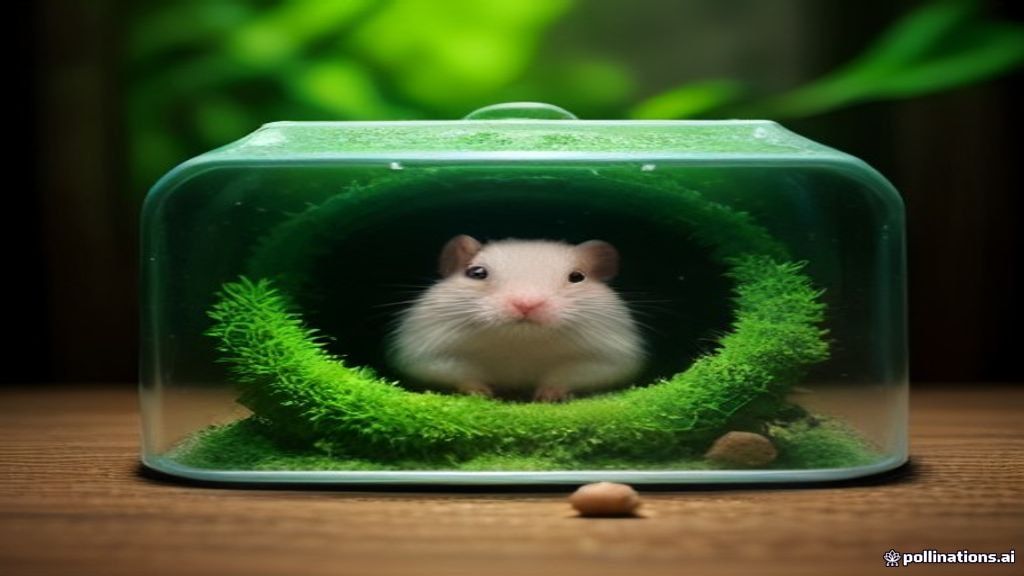
Syrian hamsters are strictly solitary. If two are housed together, they will fight, often to the death. They are territorial animals that value their independence. Conversely, some species of dwarf hamsters, like Roborovskis or Winter Whites, may be housed in pairs or small groups in very specific conditions, though many experts recommend keeping all pet hamsters solitary to prevent aggressive outbreaks.
Dietary Nuances
Nutrition is where the differences between these species become medically significant:
- Syrian Hamsters: They have a robust metabolism and handle fruit and high-fiber grains well as part of a varied diet.
- Dwarf Hamsters: Species like Campbell’s dwarfs are genetically prone to diabetes. It is essential to avoid sugary treats, including most fruits, dried corn, and honey-based commercial treats. Stick to high-protein, seed-based mixes with dried herbs and vegetables.
| Feature | Syrian Hamster | Dwarf Hamster |
|---|---|---|
| Min. Cage Size | 800+ sq. in. | 600+ sq. in. |
| Social Behavior | Strictly Solitary | Some can be social (but risky) |
| Wheel Size | 10-12 inches | 8-10 inches |
| Diabetes Risk | Low | High (requires sugar-free diet) |
Final Thoughts on Ownership
Whether you choose a Syrian or a Dwarf, providing a high-welfare environment is the cornerstone of responsible pet ownership. Syrians are generally considered better for first-time owners due to their slightly slower pace and more predictable temperament, while dwarfs are perfect for owners who enjoy observing high-energy, fast-paced behavior. Regardless of your choice, ensure you have an exotic vet identified before you bring your new companion home.

