
Key Takeaways
- Syrian Hamsters: Enter true hibernation (torpor lasting days or weeks) when ambient temperatures drop below 65°F (18°C) combined with short daylight hours.
- Dwarf Hamsters: Rarely experience full hibernation; instead, they may undergo daily short-term torpor or remain fully active year-round if kept in a stable environment.
- The Danger of Torpor: Captive pet hamsters cannot safely emerge from hibernation without intervention, making accidental hibernation a life-threatening emergency.
- Prevention is Key: Maintaining stable room temperatures between 68°F and 74°F prevents hibernation triggers in both species.
As a rodent care specialist at Rodents Info, one of the most alarming scenarios pet owners report is finding their beloved pet stiff, cold, and unresponsive in its cage. Often, panicked owners fear the worst, only to discover their pet is actually in a state of hibernation or torpor. However, the physiological mechanisms and triggers vary significantly depending on whether you own a Syrian hamster or a dwarf variety (such as Winter Whites or Campbells).
Understanding these biological differences is essential for providing proper care during the colder months. In the wild, both species face harsh winters, but their evolutionary adaptations to cold stress differ remarkably.
Understanding Hamster Hibernation vs. Torpor
Before diving into species-specific behaviors, it is vital to clarify the terminology. While laypeople often use “hibernation” interchangeably for all small mammals, scientists differentiate between deep seasonal hibernation and daily torpor.
Hibernation is a state of regulated hypothermia lasting several days or weeks, characterized by a dramatic drop in metabolic rate, body temperature, and heart rate. Torpor, on the other hand, is a short-term reduction in metabolic rate and body temperature lasting less than 24 hours (often just a few hours).
Syrian Hamster Hibernation: The Cold Weather Risk
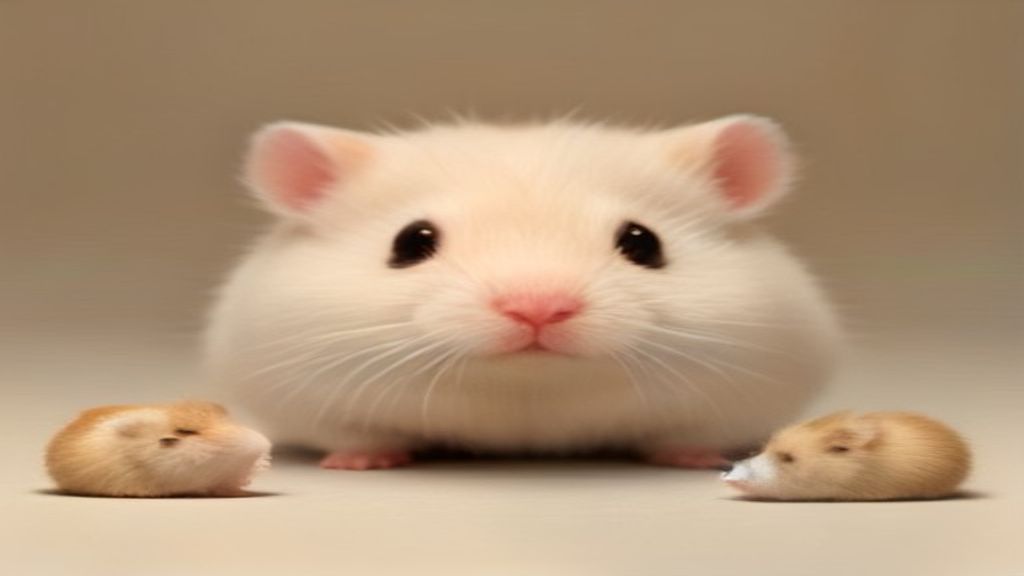
Syrian hamsters (Mesocricetus auratus), commonly known as golden hamsters, originate from the arid and semi-arid regions of the Middle East, particularly Syria and Turkey. Despite their desert origins, they are hardwired to respond to two primary environmental cues: dropping ambient temperatures and decreased daylight hours (photoperiod).
Triggers for Syrian Hamsters
When the temperature in your home drops below 65°F (18°C) and daylight hours shorten, a Syrian hamster’s biological clock signals that winter has arrived. Unlike wild animals that safely store enough brown adipose tissue and fat reserves to hibernate successfully in burrows, captive pet Syrian hamsters lack the precise physiological preparation required for a successful, unassisted seasonal sleep.
Signs of Syrian Hibernation
- The hamster feels cold to the touch.
- Respiration is extremely slow and shallow (sometimes only a breath every few minutes).
- The body is stiff or curled tightly, but muscles are not fully rigid like in rigor mortis.
- Whiskers may twitch occasionally upon close inspection.
Dwarf Hamster Hibernation: Daily Torpor Tendencies
Dwarf hamster species, including Campbell’s dwarf hamsters, Winter White Russian dwarfs (Phodopus sungorus), and Roborovskis, hail from the freezing steppes and semi-deserts of Siberia, Mongolia, and northern China. You might assume that because they come from colder climates, they are expert hibernators. Surprisingly, the opposite is largely true in a domestic setting.
The Winter White Adaptation
While Winter White dwarfs are famous for turning their coats completely white in winter for camouflage against snow, they generally rely on huddling in colonies, hoarding copious amounts of food, and maintaining a high metabolic rate rather than shutting down into deep hibernation.
Torpor in Dwarf Hamsters
When stressed by extreme cold or sudden drops in food availability, dwarf hamsters may enter daily torpor. This is a mini-hibernation lasting a few hours. They will often wake up on their own by evening to forage and eat stored food. However, prolonged exposure to cold can push a dwarf hamster into a deeper, dangerous torpor state, though it is far less common than in Syrians.
Comparison Table: Syrian vs. Dwarf Hibernation Traits
| Trait | Syrian Hamsters | Dwarf Hamsters |
|---|---|---|
| Primary Wild Origin | Middle Eastern deserts/grasslands | Siberian and Mongolian steppes |
| Hibernation Type | Prone to deep seasonal torpor/hibernation | Prone to short-term daily torpor |
| Temperature Trigger | Below 65°F (18°C) | Below 60°F (15°C) with food scarcity |
| Coat Color Change | No | Yes (Winter Whites turn white) |
| Risk in Captivity | High risk of fatal, unassisted hibernation | Moderate risk; usually recovers via daily cycles |
How to Prevent Accidental Hibernation
Preventing your hamster from entering a dangerous torpor state is much easier than reviving one. Follow these expert guidelines to ensure your pet stays warm and active all winter long:
- Maintain Ambient Room Temperature: Keep your hamster’s enclosure in a room where the temperature remains consistently between 68°F and 74°F (20°C to 23°C). Avoid placing cages near drafty windows, exterior doors, or uninsulated walls.
- Provide Ample Nesting Material: Give your hamster plenty of unspiced, dust-free paper-based bedding, Timothy hay, or clean toilet paper strips. This allows them to build thick, insulating burrows.
- Ensure Consistent Lighting: Because photoperiod plays a role in signaling winter changes, ensure your pet experiences natural or artificial day-night cycles (roughly 12 hours of light and 12 hours of dark).
- Keep Food and Water Accessible: Stock their pantry with high-protein pellets, seeds, and fresh water daily so they never experience food stress.
Emergency Reversal: What to Do If Your Hamster is Hibernating
If you suspect your Syrian or dwarf hamster has entered hibernation, you must act quickly and gently. Never submerge a hamster in warm water or use high-heat hair dryers, as thermal shock can be fatal.
Instead, hold the hamster gently against your bare chest inside a warm blanket or towel. Your body heat will slowly transfer to the animal. Gently stroke them and monitor for signs of waking, such as whisker twitches, deeper breathing, or stretching. The waking process can take anywhere from 30 minutes to a few hours. Once awake, offer them warm water mixed with a tiny drop of honey or critical care supplement, followed by their favorite nutritious food.
Conclusion
While both Syrian and dwarf hamsters possess physiological mechanisms to deal with cold weather, their actual responses differ. Syrian hamsters are prone to dangerous, deep seasonal torpor when temperatures drop, whereas dwarf hamsters typically exhibit brief daily torpor or adapt through social huddling and coat changes. By keeping your pet’s environment warm, draft-free, and well-supplied with bedding and food, you can entirely prevent the risks associated with accidental hibernation.

