
Key Takeaways
- Understand Instincts: Recognizing prey animal psychology is the foundation of effective rodent bonding.
- Habitat Design Matters: A secure, enriched habitat reduces stress and accelerates the trust-building process.
- Patience is Key: Gradual desensitization, scent swapping, and positive reinforcement yield the best long-term results.
- Species-Specific Needs: Social rodents like guinea pigs and rats require different approaches compared to solitary species like hamsters.
As an expert zoologist and rodent care specialist at Rodents Info, I often see pet parents struggle to connect with their small mammalian companions. Many wonder why their newly adopted hamster flinches or why their rat seems hesitant to step onto their hand. The secret to overcoming these hurdles lies in understanding the complex intersection of wild instincts, environmental psychology, and intentional habitat design.
Rodents are among the most intelligent, sensitive, and emotionally rich creatures on the planet. By decoding their body language and transforming their living spaces into secure, engaging sanctuaries, you can bridge the gap between human and animal. In this comprehensive guide, we will explore core behavioral traits, habitat design principles, and step-by-step bonding techniques designed to foster a lifelong companionship.
Decoding Rodent Behavioral Traits: The Prey Mindset
To successfully bond with any rodent—whether it is a sociable fancy rat, a cautious degu, or a solitary Syrian hamster—you must first view the world through their eyes. In nature, small rodents occupy the lower rungs of the ecological food chain. They are preyed upon by raptors, snakes, and larger mammalian carnivores.
This evolutionary history hardwires several distinct behavioral traits into their DNA:
- Vigilance: Rodents are constantly scanning for danger. Sudden movements or loud, sharp noises trigger an immediate ‘fight, flight, or freeze’ response.
- Territoriality: Scent marking is their primary method of mapping and claiming territory. Altering their habitat too drastically can cause temporary behavioral regression or stress.
- Crepuscular and Nocturnal Activity: Many pet rodents are most active during dawn, dusk, or nighttime, meaning forcing interaction during their natural sleep cycle can hinder bonding.
Recognizing these traits prevents misinterpretations. When a rodent runs away or hides, it is rarely out of malice or dislike; it is an instinctual survival mechanism.
Designing a Stress-Free Habitat for Optimal Bonding
The habitat is the staging ground for all your bonding efforts. If a rodent feels unsafe in its enclosure, its stress hormones remain elevated, making it extremely difficult to build trust. Creating a secure, stimulating environment is the first critical step toward emotional connection.
Key Elements of a Secure Habitat
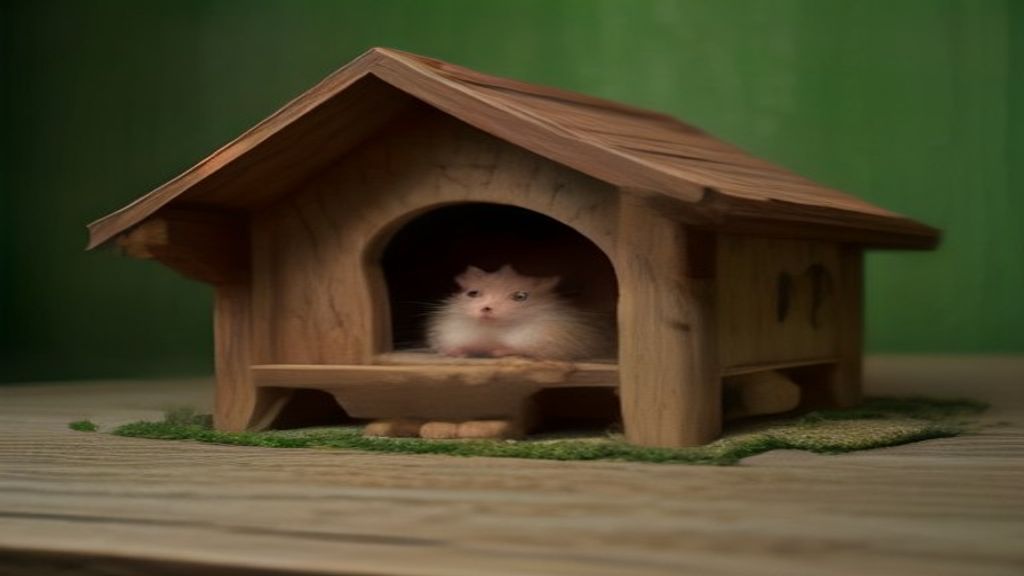
- Multiple Hiding Spots: Provide at least two opaque hideouts per animal. Open-concept cages leave rodents feeling exposed and vulnerable to perceived aerial predators.
- Deep Burrowing Substrate: Safe, dust-extracted paper bedding or kiln-dried aspen allows rodents to express natural tunneling behaviors, which naturally lowers anxiety.
- Strategic Placement: Place the habitat in a low-traffic area of your home, away from direct sunlight, drafts, and loud appliances like televisions or speakers.
Step-by-Step Rodent Bonding Tips for Inside the Habitat
Bonding should always occur at the animal’s pace. Rushing the process can shatter fragile trust. Follow this structured roadmap to transition from strangers to bonded companions.

Phase 1: Scent Acclimation (Days 1–5)
Before attempting physical contact, your pet needs to recognize your scent as safe and non-threatening.
- Place an unwashed piece of clothing or a tissue rubbed between your hands inside the enclosure.
- Allow the rodent to investigate the scent on their own terms without intervention.
- Talk softly near the enclosure daily so they become familiar with the sound of your voice.
Phase 2: Target Training and Hand-Feeding (Days 6–14)
Once your scent is familiar, associate your hands with positive, rewarding experiences.
- Offer high-value, species-appropriate treats (such as pumpkin seeds, small pieces of fresh fruit, or leafy greens) directly from your fingers.
- Keep your hand still and low; never chase or corner your pet inside the cage.
- Allow the rodent to approach, take the treat, and retreat to their safety zone if needed.
Phase 3: Voluntary Interaction and Exploration
As confidence grows, invite your rodent to interact outside of their immediate hiding spaces.
- Place an open pouch, tunnel, or your cupped hands inside the habitat and encourage the rodent to climb in voluntarily.
- Lift them gently, keeping them close to a secure surface or your body to prevent falling anxiety.
Comparing Social Structures Across Common Rodent Species
Bonding dynamics vary significantly depending on whether the species is social or solitary. The table below outlines these essential differences:
| Species | Social Structure | Bonding Approach |
|---|---|---|
| Fancy Rats | Highly social (must be kept in pairs/groups) | Extremely receptive; bonds quickly through free-roam time and treats. |
| Syrian Hamsters | Strictly solitary (fight if housed together) | Requires patience; short, consistent daily trust-building sessions. |
| Guinea Pigs | Herd animals (require same-sex pairs minimum) | Vocal and cautious; builds trust through food routines and floor time. |
| Gerbils | Colony-oriented (sensitive to separation) | Curious and active; bonds well through bridge-hand techniques. |
Advanced Enrichment to Maintain Strong Bonds
Bonding is not a one-time achievement; it requires maintenance. Incorporating daily environmental enrichment ensures your pet remains mentally stimulated, reducing cage-raging, depression, and defensive aggression.
Implement scatter-feeding instead of using a standard food bowl to encourage natural foraging instincts. Rotate toys weekly to prevent boredom, and incorporate puzzle feeders that challenge their cognitive abilities. When a rodent associates you not just as a provider of basic needs, but as a facilitator of fun and discovery, your bond will reach remarkable depths.
Conclusion
Understanding rodent behavioral traits and applying thoughtful habitat bonding tips transforms pet care from a routine chore into a deeply rewarding partnership. By respecting their prey instincts, designing secure and enriching habitats, and respecting their individual pace, you unlock a world of trust and affection. Remember that patience, consistency, and empathy are your greatest tools in building a lasting connection with your small mammalian friend.

