
Key Takeaways
- Food as a Bridge: Strategic use of high-value treats accelerates trust-building and positive reinforcement training.
- Natural Foraging: Replicating wild foraging behaviors reduces stress and encourages mental stimulation.
- Species-Specific Needs: Different rodents (rats, hamsters, guinea pigs) require distinct dietary approaches for optimal health.
- Patience is Crucial: Never force hand-feeding if a rodent shows signs of fear or territorial aggression.
Understanding Rodent Dietary Psychology and Foraging Instincts
As an expert zoologist and rodent care specialist, I often remind pet owners that a rodent’s relationship with food goes far beyond basic nutrition. In the wild, mice, rats, hamsters, and guinea pigs spend a significant portion of their waking hours foraging, cache-building, and inspecting novel food items. When we bring these intelligent mammals into our homes, these deeply ingrained evolutionary drives remain fully active.
Understanding these behavioral traits allows us to transform routine feeding times into powerful bonding opportunities. Instead of simply dumping dry pellets into a plastic bowl, savvy owners use mealtime to engage their pets’ natural curiosities. By recognizing how your specific rodent species interacts with its food, you can decode their body language—such as scent marking, hoarding behaviors, and enthusiastic popcorning—which gives you a direct window into their emotional well-being.
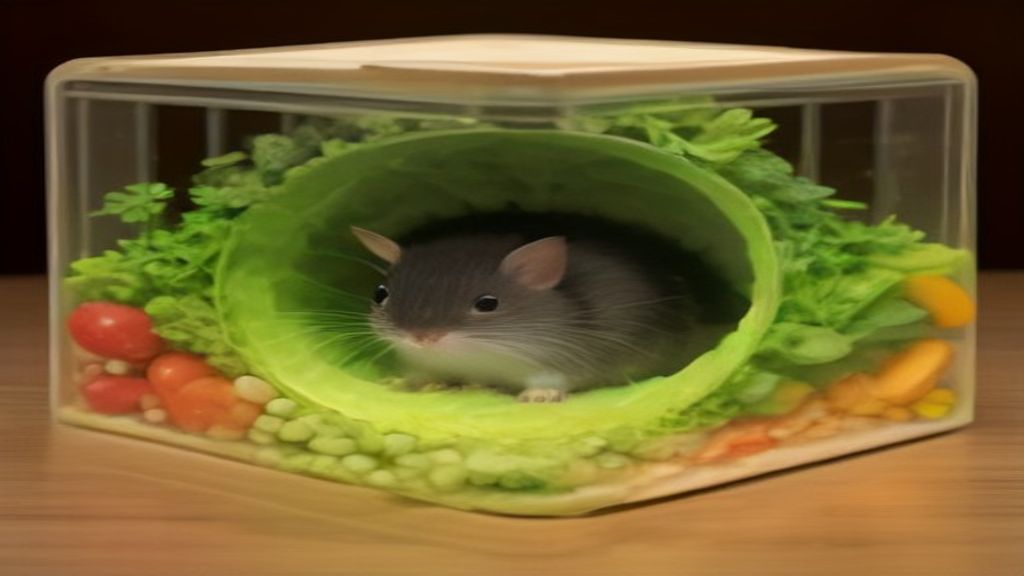
The Science of Trust: Using Diet to Bond With Your Rodent
Building trust with a small, prey-status animal requires immense patience and positive associations. Because rodents rely heavily on their acute sense of smell and taste, food serves as the ultimate icebreaker. When you introduce hand-feeding correctly, your pet quickly learns to associate your scent and hands with safety and delicious rewards.
Step-by-Step Hand-Feeding Progression
- Phase 1: Scent Introduction. Wash your hands thoroughly, then rest your hand flat inside the enclosure without moving or attempting to touch the animal. Let them investigate your scent freely.
- Phase 2: Distance Feeding. Place a high-value, aromatic treat (such as a sliver of fresh strawberry or a pumpkin seed) at the tips of your fingers, keeping your hand resting firmly on the cage floor.
- Phase 3: Direct Acceptance. Allow the rodent to approach and take the food directly from your fingers without pulling away or making sudden movements.
- Phase 4: Voluntary Climbing. Once comfortable, encourage your pet to place their front paws on your palm to reach a special treat, gradually building up to full handling.
Comparative Dietary Bonding Methods by Species
Not all rodents respond to food rewards in the exact same manner. Tailoring your approach to their distinct social structures and nutritional requirements ensures both safety and rapid behavioral progress.
| Species | Social Structure | High-Value Bonding Foods | Key Behavioral Cue |
|---|---|---|---|
| Fancy Rats | Highly social, intelligent | Baby food, mashed banana, peas | Bruxing (teeth grinding) indicates contentment |
| Syrian Hamsters | Solitary, territorial | Sunflower seeds, mealworms, broccoli | Pouch stuffing means resource hoarding |
| Guinea Pigs | Social herd animals | Coriander, bell pepper strips, grass | Wheeking and popcorning during meal prep |
| Gerbils | Colony-oriented, active | Millet sprays, flax seeds | Foot-thumping signals alarm or excitement |
Interactive Foraging as an Enrichment and Bonding Tool
Hand-feeding is fantastic, but encouraging independent foraging through puzzle feeders and scatter feeding builds confidence. When rodents solve foraging puzzles, their brains release dopamine, reducing cage-stress and aggression.
Practical Foraging Techniques
- Scatter Feeding: Spread dry seed mixes through their bedding rather than using a bowl, forcing them to use their natural rooting instincts.
- Toilet Paper Roll Puzzles: Stuff dried herbs and treats inside a cardboard tube and fold the ends closed, challenging your pet to chew and rip their way to the prize.
- Herb Bundles: Hang fresh Timothy hay or dried marigold flowers from the ceiling of the cage to encourage stretching and active engagement.
Conclusion
Mastering the intersection of rodent dietary needs and behavioral psychology transforms basic pet ownership into a deeply rewarding partnership. By utilizing species-appropriate high-value treats, practicing patient hand-feeding techniques, and introducing stimulating foraging challenges, you enhance your pet’s mental health while forging an unbreakable bond of trust.

