
- Quarantine First: Always isolate new rats for at least 2 weeks to prevent disease transmission.
- The Carrier Method: Generally considered the most successful technique for stubborn introductions.
- Neutral Ground: Initial meetings should happen in a space where no rat has established territory.
- No Blood, No Foul: Minor scuffling is normal; intervene only if there is intense balling or blood drawn.
- Deep Clean: Before moving new friends into a permanent cage, it must be stripped of all previous scents.
As highly social creatures, rats thrive in the company of their own kind. In the wild, they live in complex social hierarchies called “mischiefs.” However, because they are also territorial, simply dropping a new rat into an existing cage is a recipe for disaster. Knowing how to introduce pet rats correctly is the difference between a lifelong bond and a dangerous confrontation.
In this comprehensive guide, we will walk through the biological basis of rat social behavior and provide a step-by-step roadmap to integrating new members into your colony safely and effectively.
Phase 1: The Mandatory Quarantine Period
Before any physical introductions occur, you must observe a strict quarantine period. New rats may carry respiratory infections (like Mycoplasma), parasites, or viruses (such as SDAV) that can be fatal to your existing colony.
The standard quarantine period is 14 days. Ideally, the new rats should be kept in a separate room with a separate air system. If you must keep them in the same room, ensure their cages are at opposite ends and always handle your original rats before the new ones to avoid cross-contamination via your clothes or hands.
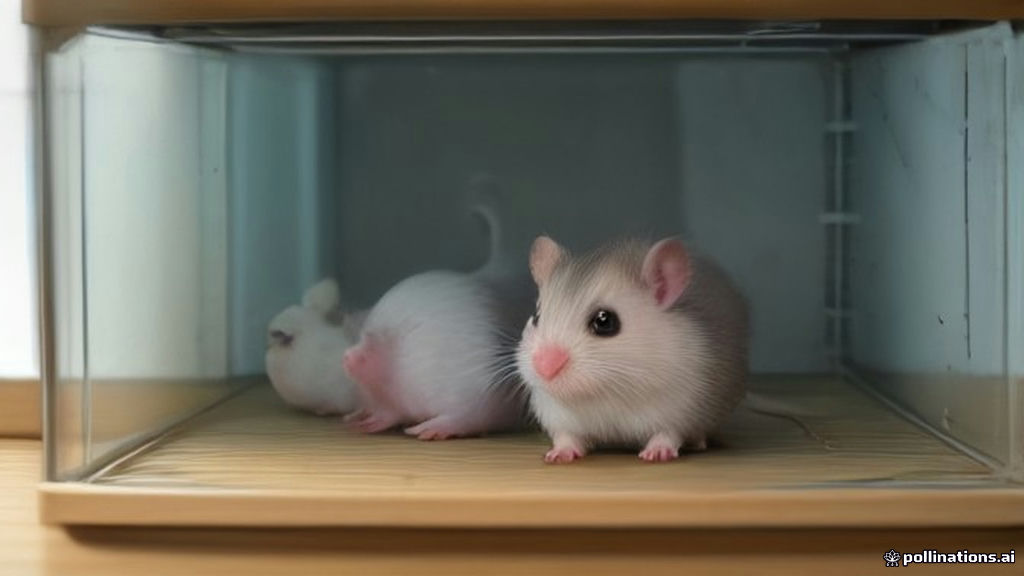
Understanding Rat Personalities and Demographics
The success of an introduction often depends on the age, sex, and temperament of the rats involved. While every rat is an individual, certain patterns emerge:
- Kittens (under 12 weeks): Generally the easiest to introduce. Adults rarely see them as a territorial threat.
- Adult Females: Usually receptive, though they can be “bossy” and may engage in significant power grooming.
- Adult Males: Can be the most challenging due to hormonal aggression. If an adult male is overly aggressive, neutering is often a successful solution.
The ‘No Blood, No Foul’ Rule
In the world of rat introductions, you will witness behavior that looks aggressive to human eyes. Squeaking, pinning, and forced grooming are all part of establishing a hierarchy. As long as no one is being injured and there is no “rat ball” (where rats roll around in a blur of fur and biting), it is best to let them work it out.
Step-by-Step: The Carrier Method
The Carrier Method is widely regarded by enthusiasts and breeders as the most effective way to introduce rats. It uses a small space to force the rats to interact and bond rather than defend a large territory.
| Step | Action | Goal |
|---|---|---|
| 1. Small Carrier | Place all rats in a small travel carrier with no accessories. | Prevent territorial behavior; force proximity. |
| 2. Observation | Watch for 1-4 hours. Move the carrier slightly if they stay in separate corners. | Ensure no serious fighting occurs. |
| 3. Medium Cage | Move to a slightly larger cage (hamster size) with only food and water. | Gradual increase in space without toys to fight over. |
| 4. Main Cage | After 24 hours of peace, move to a deep-cleaned main cage. | Final integration into the permanent home. |
Why the Carrier Method Works
By removing hiding spots and large spaces, rats are unable to “guard” a corner. They are forced to smell each other and eventually huddle together for comfort. Once they have slept in a pile, the hardest part of the introduction is usually over.
Alternative: The Neutral Territory Method
If the Carrier Method feels too intense, the Neutral Territory Method is a slower alternative. This involves placing the rats in a bathtub or a fenced-off area where none of them have played before.
- Set the Scene: Use a bathtub or a table covered in a fresh towel. Scatter high-value treats like baby food or yogurt to encourage positive associations.
- The First Meet: Place the rats in the area simultaneously. Have a towel or spray bottle ready in case you need to break up a fight.
- Short Sessions: Start with 15-minute sessions. If they remain calm, gradually increase the time.
- Cage Swapping: Between sessions, you can swap their bedding or hammocks so they get used to each other’s scent without the physical presence of the other rat.
Preparing the Final Habitat
Before moving your newly bonded group into their permanent cage, you must perform a “reset.” If the cage smells like the original residents, they will instinctively try to defend it as their territory.
The Deep Clean Checklist:
- Wash the cage bars with a vinegar/water solution or pet-safe disinfectant.
- Replace all wooden accessories (wood holds scents permanently).
- Wash all hammocks, liners, and fabric items in hot water with unscented detergent.
- Rearrange the layout of the cage so it feels like a brand-new environment for everyone.
When Things Go Wrong: Troubleshooting Aggression
Sometimes, introductions don’t go as planned. If you see signs of extreme stress (puffed fur, side-walking, or hissing) or if blood is drawn, you must separate them immediately. Never use your bare hands to separate fighting rats; use a thick towel or a piece of cardboard to intervene.
If aggression persists, consider the following:
- Age Gap: Are the older rats too grumpy for hyper kittens? Give them more time in adjacent cages.
- Hormones: If a male rat is the instigator, a neuter procedure typically reduces territorial aggression within 4-6 weeks.
- Slow Down: Some rats need weeks of scent swapping and “cage-side” meetings before they are ready for physical contact.
Verdict: Patience is the Key to Success
Learning how to introduce pet rats is a skill that requires observation and intuition. While it can be a nerve-wracking process for the owner, the reward of seeing your rats groom each other and sleep in a “rat pile” is worth the effort. By following the quarantine-first rule and utilizing the carrier method, you provide your rats with the best chance of forming a harmonious mischief. Remember, every rat is different—don’t rush the process, and always prioritize safety over speed.

