
Key Takeaways
- Crepuscular Nature: Rats are primarily active at dawn and dusk, adjusting their sleep cycles based on environmental cues.
- Polyphasic Sleepers: Unlike humans who sleep in one long block, rats sleep in multiple short bursts throughout a 24-hour cycle.
- REM Sleep Present: Rats experience REM sleep, meaning they dream and twitch just like cats, dogs, and humans.
- Environment Matters: Proper bedding, dark resting boxes, and low noise levels are crucial for a pet rat’s sleep health.
Understanding the sleeping habits of rodents is essential whether you keep fancy rats as beloved pets or are simply curious about urban wildlife. When people ask how do rats sleep, they often picture a standard night-and-day cycle. However, the reality of rodent slumber is far more complex, fascinating, and tied to their evolutionary survival instincts.
The Sleep Cycle of Rats: Understanding Polyphasic Sleep
Unlike humans, who typically practice monophasic sleep (sleeping once every 24 hours), rats are polyphasic sleepers. This means they break their rest down into numerous short naps spread across both day and night. On average, a healthy rat will sleep between 12 to 14 hours a day, but this time is heavily fragmented.
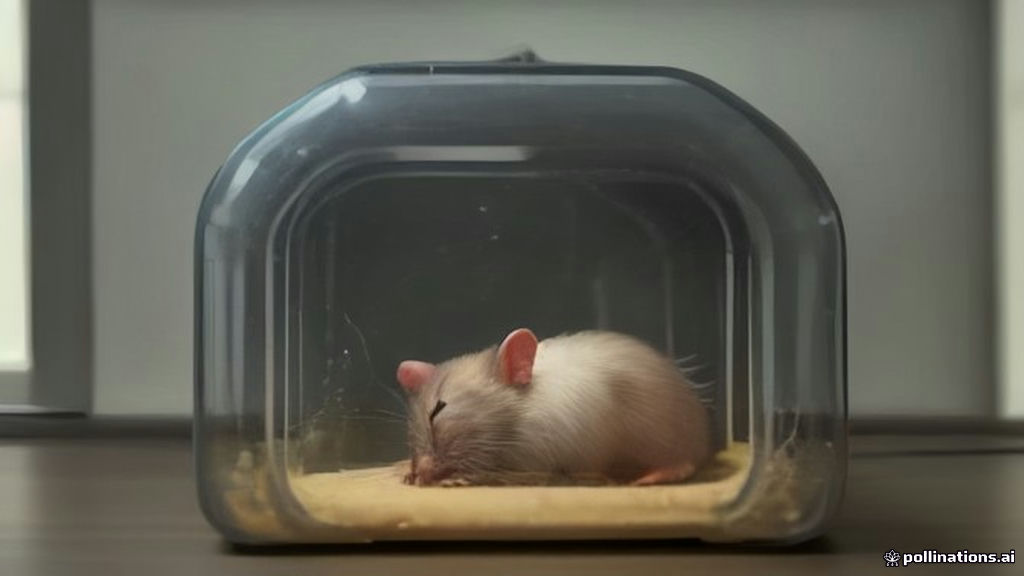
Crepuscular and Nocturnal Tendencies
While wild rats are often labeled as nocturnal, they are more accurately described as crepuscular—meaning they are most active during the twilight hours of dawn and dusk. Pet rats, on the other hand, easily adapt to their owner’s household schedule, often sleeping when humans are away or asleep at night, and waking up to socialize when people are active.
The Stages of Rat Sleep
Scientific studies on rodent neurology have revealed that rats experience two primary phases of sleep:
- Non-REM Sleep: A lighter state of rest where the rat’s body repairs itself, metabolic rate slows down, and brain waves stabilize.
- REM (Rapid Eye Movement) Sleep: The deep sleep phase characterized by brain activity, rapid eye movements, and muscle twitches. This is when rats dream.
Common Rat Sleeping Positions and What They Mean
If you observe a pet rat resting, you will likely notice several distinct sleeping postures. Each position tells a story about how safe, warm, or relaxed the animal feels.
| Sleeping Position | Physical Description | What It Indicates |
|---|---|---|
| The Curled Ball | Body tucked tightly into a sphere, nose touching the tail. | Retaining body heat or feeling slightly vulnerable. |
| The Sploot (Pancake) | Lying flat on the belly or side with limbs fully stretched out. | Total relaxation, deep sleep, or cooling down. |
| The Pile-Up | Multiple rats sleeping stacked directly on top of one another. | Social bonding, security, and communal warmth. |
| The Upright Nod | Sitting hunched over with eyes closed, head dropping slightly. | A light, alert catnap rather than deep sleep. |
Do Rats Dream?
Yes, rats do dream! Electroencephalogram (EEG) recordings of sleeping rats show brain wave patterns during REM sleep that closely mirror those recorded while the rats were navigating mazes or exploring new environments earlier in the day. If you notice your pet rat’s whiskers twitching, paws moving, or soft squeaks escaping while they sleep, they are likely replaying waking adventures in their dreams.
How to Ensure Quality Sleep for Pet Rats
Providing an optimal sleeping environment is vital for your pet rats’ health, immunity, and longevity. Stress caused by poor sleep can lead to weakened immune systems and behavioral issues.
1. Provide Dark, Cozy Hideaways
Rats prefer enclosed, dark spaces to sleep because it mimics a safe burrow in the wild. Provide plastic igloos, wooden houses, or cardboard boxes filled with shredded paper or fleece scraps.
2. Hang Comfortable Hammocks
Pet rats love elevated sleeping spots. Fleece hammocks and hanging cubes are fantastic additions to a rat cage, offering both comfort and entertainment.
3. Control Noise and Lighting Levels
While rats can adapt to household sounds, loud stereos, televisions, or bright, direct sunlight during the day can disrupt their polyphasic sleep schedules. Place the cage in a quiet, draft-free room with indirect natural light.
Conclusion
Understanding how rats sleep gives us a deeper appreciation for these intelligent, complex animals. From their polyphasic sleep cycles and vivid dreams to their adorable huddling behaviors, sleep plays a critical role in a rat’s overall well-being. By providing secure nesting boxes, comfortable bedding, and a peaceful environment, you can ensure your pet rats get the restorative rest they need to thrive.

