
Welcoming guinea pigs (cavies) into your home is an incredibly rewarding experience. These vocal, charming, and gentle rodents make fantastic family companions, but modern veterinary care has proven that traditional pet-store advice often falls far short of their welfare needs.
From the strict requirement that guinea pigs must be housed in bonded pairs or small herds to their inability to synthesize Vitamin C, creating a thriving environment requires the right foundational equipment. As explained in our comprehensive overview on how to properly take care of guinea pigs, setting up the right cage, bedding, and nutritional baseline from day one prevents costly medical emergencies down the road.
💡 Essential Guinea Pig Setup Rules
- Minimum Cage Size is 7.5 to 10.5 Sq Ft: Small plastic commercial pet cages cause obesity, pododermatitis (bumblefoot), and territorial fighting. A pair requires at least 8 to 10 square feet of continuous flat floor space.
- Unlimited Timothy Hay is Non-Negotiable: Hay must make up 80% to 85% of their daily diet to keep their continuously growing molars worn down and their gut motility active.
- Mandatory Daily Vitamin C: Like humans, guinea pigs lack the L-gulonolactone oxidase enzyme and cannot produce Vitamin C. They require 10-30mg daily to prevent fatal scurvy.
Top 3 Starter Essentials for Guinea Pigs
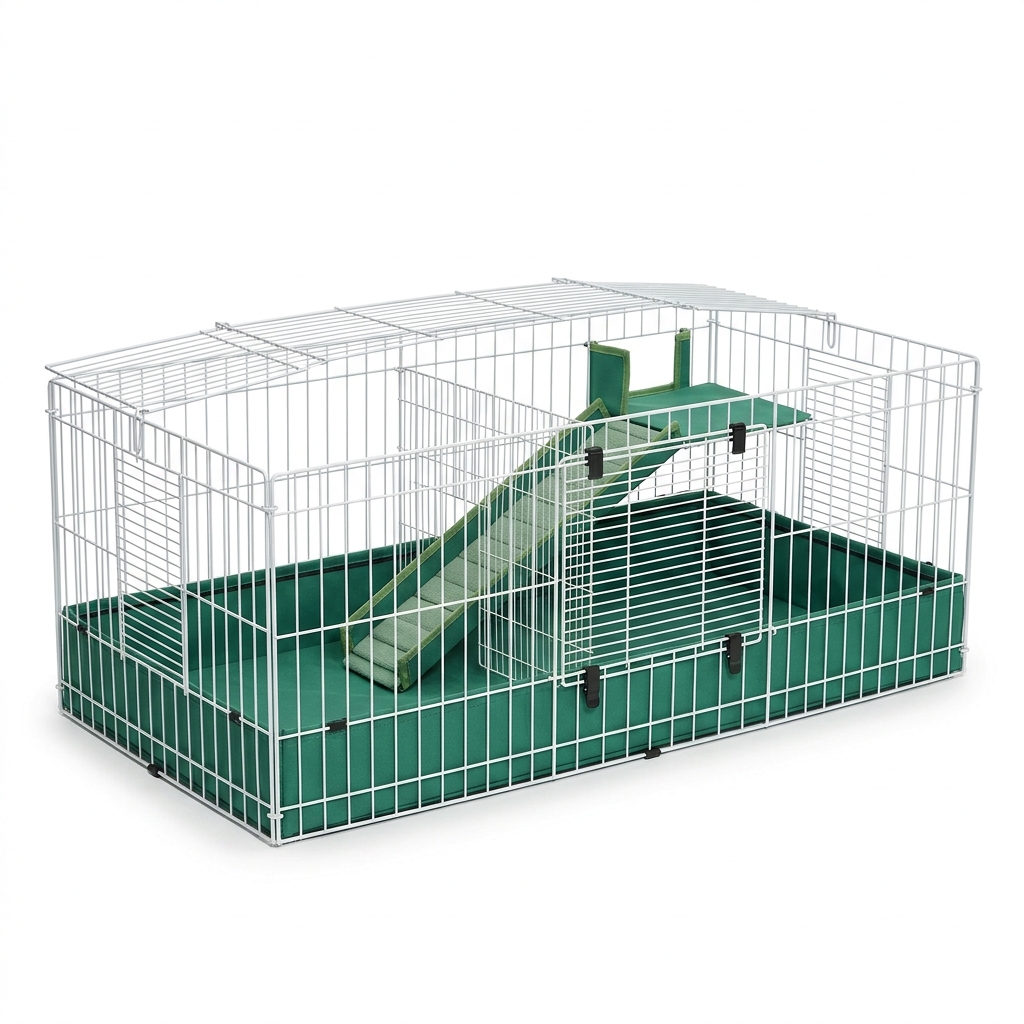
MidWest Guinea Habitat Plus Enclosure (8 Sq Ft)
The veterinarian-recommended beginner gold standard. Provides 8 square feet of contiguous living area with a leak-proof, washable canvas bottom and divider panel. Meets humane standards for two bonded guinea pigs.
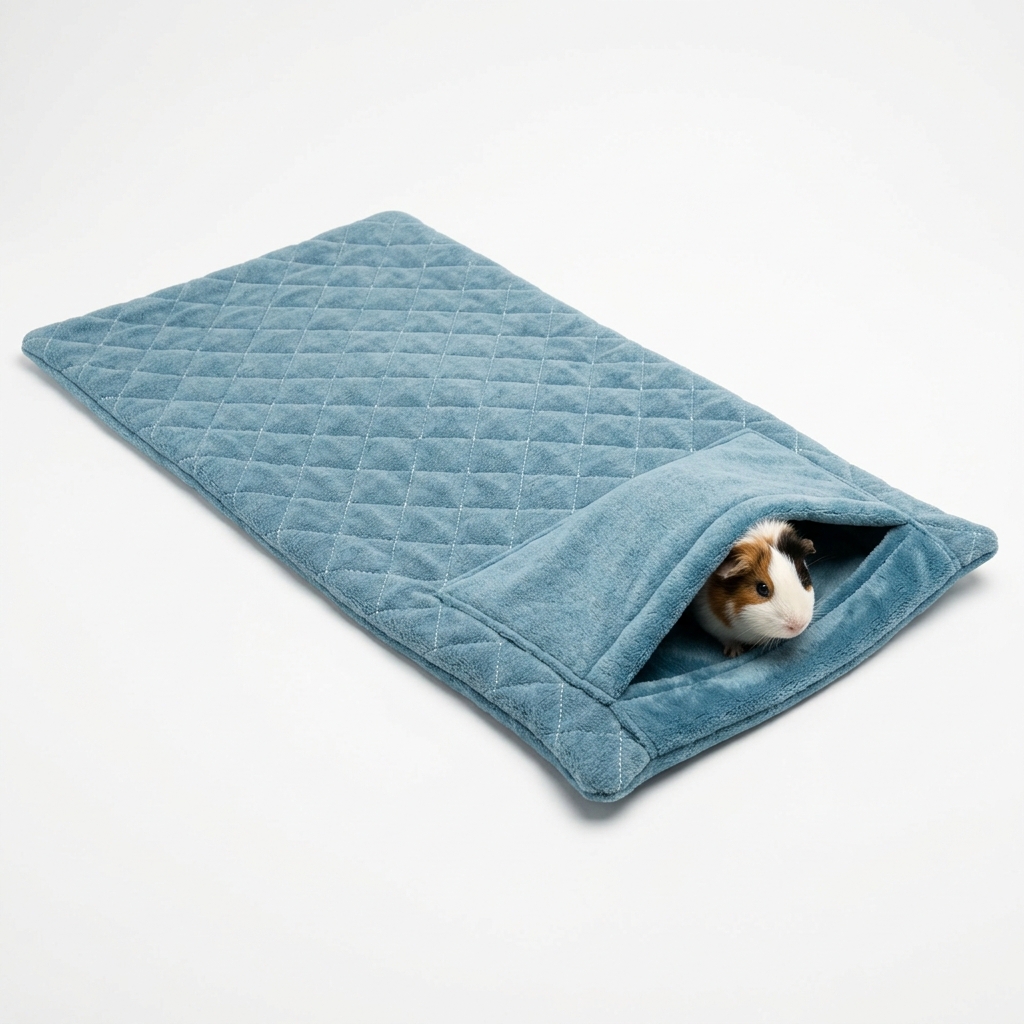
GuineaDad Washable Bamboo-Fleece Liner
Replaces wasteful paper bedding. Proprietary bamboo-blend fleece wicks urine instantly to an ultra-absorbent core while keeping sensitive foot pads dry. Includes a built-in burrowing pocket cavies adore.
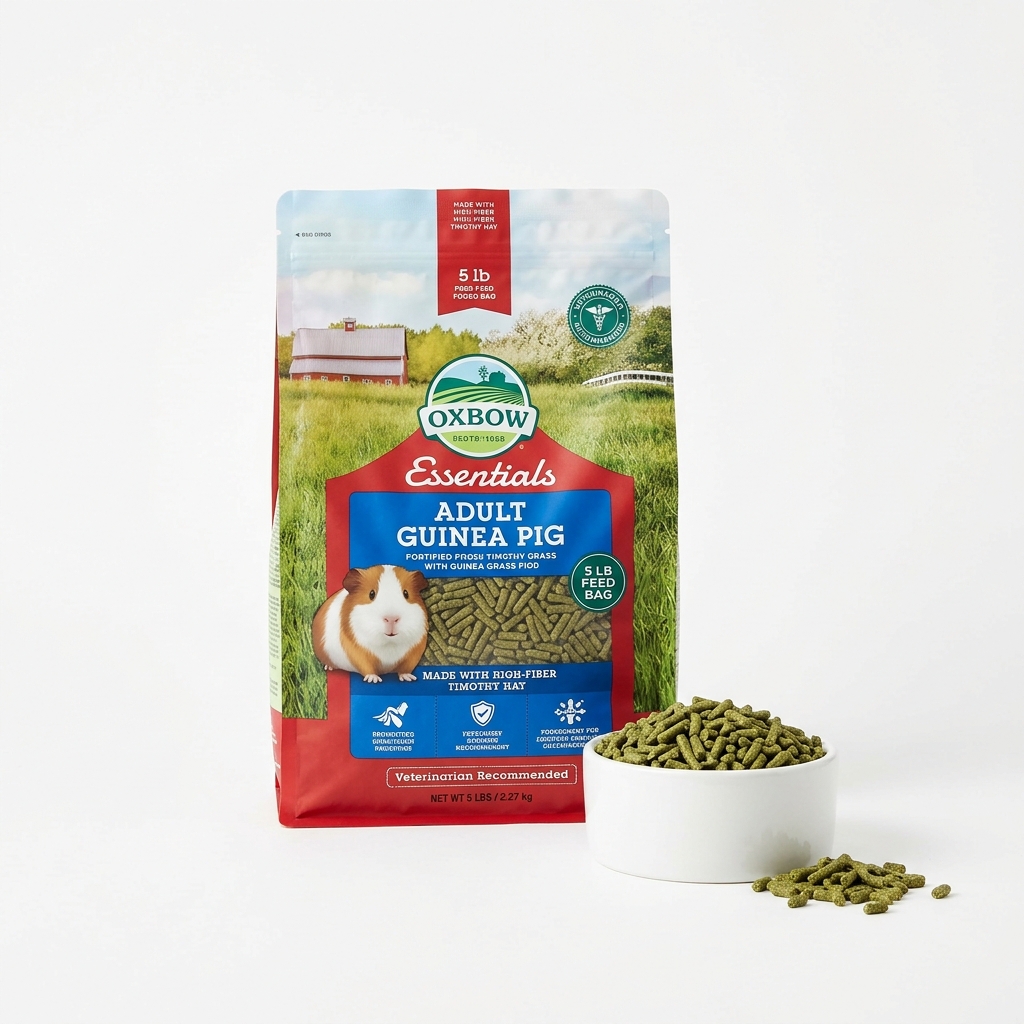
Oxbow Essentials Cavy Cuisine Fortified Pellets
Timothy-based uniform pellet prevents selective feeding. Fortified with stabilized Vitamin C and prebiotics. Free of seeds, colored bits, and sugary dried fruit that trigger cecal dysbiosis.
The 4 Pillars of Guinea Pig Care
1. Cage Dimensions & Layout
Guinea pigs are ground-dwelling rodents with fragile spines. Unlike hamsters or rats, they cannot climb vertical wire bars or use running wheels. All living space must be flat floor area. For two bonded cavies, provide at least 47″ x 24″ (8 sq ft). Position hideouts, hay racks, and water bottles at opposite ends to encourage healthy walking and foraging exercise.
2. Diet: The 80/15/5 Golden Rule
- 80% Timothy Hay: Must be constantly accessible in unlimited piles. Promotes continuous gut peristalsis and grinds down high-crowned hypsodont teeth.
- 15% Fresh Leafy Greens: 1 cup per pig daily of romaine lettuce, cilantro, bell peppers (high in natural Vitamin C), and cucumber. Avoid iceberg lettuce (causes diarrhea) and limit spinach/kale (high in calcium oxalates).
- 5% Fortified Pellets: 1/8 cup per pig per day of plain timothy-based pellets containing stabilized Vitamin C.
3. Grooming & Health Monitoring
Check your guinea pigs weekly. Weigh them on a digital kitchen scale (weight loss is the earliest indicator of illness). Trim their nails every 3 to 4 weeks using pet clippers to prevent curling and painful foot sores.
Frequently Asked Questions
Can I keep a single guinea pig alone?
In countries like Switzerland, it is legally prohibited to own a single guinea pig because they are obligate herd animals. Kept alone, cavies frequently suffer chronic depression, lethargy, and behavioral decline. Always adopt a bonded pair of the same gender or a neutered male with females.
Can guinea pigs use an exercise wheel or ball?
No, never! Guinea pig spines are anatomically incapable of bending backwards. Running wheels or exercise balls will cause severe spinal fractures and irreversible spinal cord trauma.

