
- Initial Impact: Bright lights can startle rats due to neophobia (fear of new things), but they are not a permanent solution.
- Habituation: Rats are highly adaptable; they will eventually ignore constant light if food and shelter are available.
- Light Sensitivity: Rats are nocturnal and have eyes optimized for low light, making bright environments uncomfortable but not intolerable.
- Motion-Activated Lights: These are slightly more effective than constant lights as they create an unpredictable environment.
- Real Solution: Effective rodent control requires exclusion (sealing entries), sanitation, and trapping rather than just lighting.
If you have ever discovered the tell-tale signs of a rodent infestation—gnawed wires, droppings, or that distinct scratching sound in the walls—your first instinct might be to flip every switch in the house. The logic seems sound: rats are nocturnal creatures that thrive in the shadows, so flooding their world with light should send them packing, right? As a zoologist, I frequently encounter homeowners who leave attic or basement lights on 24/7 in hopes of a DIY pest control miracle.
The short answer to the question “do lights keep rats away?” is: Only temporarily. While rats prefer the dark, light is rarely enough to overcome their biological drives for food, water, and warmth. To understand why lights fail as a long-term deterrent, we must dive into the fascinating biology of the rodent eye and the psychological adaptability of these resilient animals.
The Biology of Rat Vision: Why Darkness Matters
Rats belong to the order Rodentia and have evolved as primary prey animals. Their survival depends on their ability to move undetected, which is why they are predominantly nocturnal. A rat’s eyes are uniquely adapted for low-light conditions. They possess a high density of “rods” (photoreceptors that detect light and motion) and very few “cones” (which detect color and detail).
This biological makeup means that rats are extremely sensitive to light, especially in the blue and ultraviolet spectrum. To a rat, a bright LED bulb in a dark attic is visually overwhelming—a phenomenon known as photophobia. However, this sensitivity does not mean light causes them physical pain; it simply makes them feel exposed and vulnerable to predators like owls or cats. In the wild, a rat in the light is a dead rat. In your garage, however, the lack of actual predators eventually changes their cost-benefit analysis.
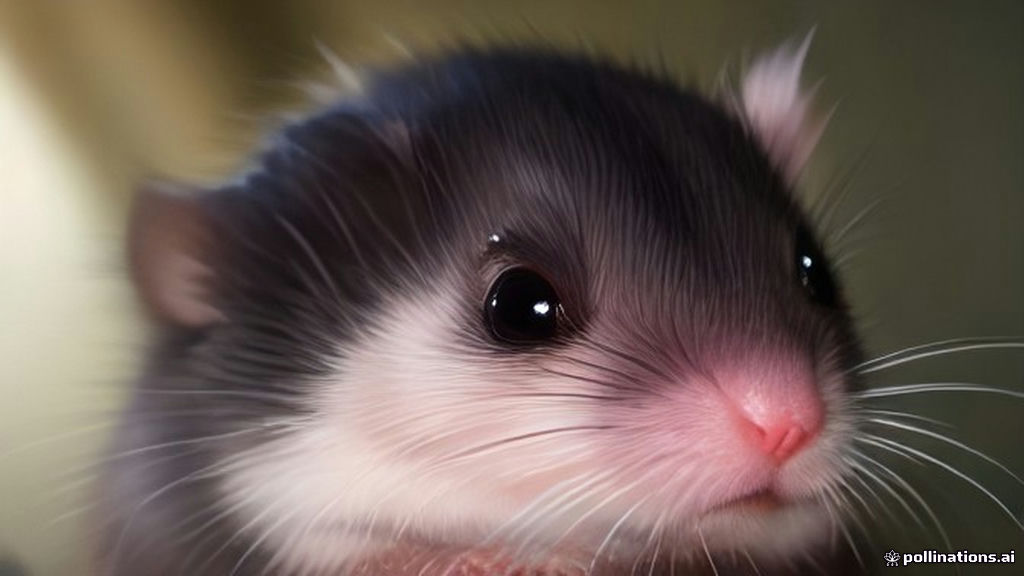
The Myth of Constant Lighting
Many people believe that leaving a light on in a crawlspace or basement will prevent rats from nesting there. While it might prevent a rat from entering a space for the first night or two, the effect rapidly diminishes due to a process called habituation.
What is Habituation?
Habituation is a form of learning where an animal stops responding to a stimulus after repeated exposure. Rats are incredibly intelligent and highly motivated by survival. If a rat discovers a reliable food source (like a bag of pet food or a trash can) in a brightly lit room, it will initially be cautious. However, once it realizes that the light itself doesn’t bite, scratch, or kill, the rat will accept the light as a permanent feature of its environment.
In scientific studies, rodents have shown remarkable resilience to environmental changes. As long as there are shadows—under appliances, behind boxes, or inside walls—the rat will simply use those darker pathways to navigate the lit room. Constant light essentially becomes “background noise” to a determined rodent.
Comparing Different Lighting Deterrents
Not all light is created equal when it comes to pest control. If you are determined to use light as a secondary tool in your rodent-proofing arsenal, understanding the differences is key.
| Light Type | How it Works | Effectiveness | Recommendation |
|---|---|---|---|
| Constant LED/Incandescent | Floods the area with steady light. | Very Low | Not recommended for long-term use. |
| Motion-Activated Lights | Turns on when it detects movement. | Moderate (Short-term) | Good for outdoor pathways to startle intruders. |
| Strobe/Flashing Lights | High-intensity, rapid flashes. | Moderate | Effective in small, dark spaces like attics, but irritating to humans/pets. |
| UV/Blue Lights | Targets the rat’s most sensitive visual spectrum. | Low | Generally ineffective as a standalone deterrent. |
The Role of Motion-Activated Lights
Motion-activated lights are significantly more effective than constant lights. The sudden transition from darkness to brightness triggers the rat’s “startle response.” Because the stimulus is unpredictable, it is harder for the rat to habituate to it. However, even motion sensors lose their edge if the rat eventually learns that the flash of light isn’t followed by a predator attack.
Why Lights Often Fail: The “Food Overcomes Fear” Rule
The primary reason why lights (and even ultrasonic sound devices) fail to keep rats away is the hierarchy of needs. A rat’s life is governed by three main requirements: food, water, and shelter. Light is merely a secondary environmental factor.
If your home offers a warm place to nest and easy access to crumbs, birdseed, or garbage, a rat will brave the brightest lights to reach them. Biologically, the biological drive to avoid starvation is significantly stronger than the instinctual urge to avoid well-lit areas. This is why you will often see rats in broad daylight in urban areas where food is abundant—they have weighed the risks and decided the reward is worth the exposure.
Proactive Steps: What Actually Works?
Instead of relying on a high electric bill to solve your rodent problem, zoologists recommend an integrated pest management (IPM) approach. If you want to keep rats away, you must change the environment in ways that actually impact their survival.
1. Exclusion: Seal the Entry Points
Rats can squeeze through holes the size of a quarter. Use steel wool, hardware cloth, and caulk to seal gaps around pipes, vents, and foundation cracks. Unlike light, a physical barrier cannot be ignored or habituated to.
2. Sanitation: Remove the Incentive
Eliminate the reason they are there. Store pet food in airtight metal containers, keep trash cans tightly sealed, and clear away fallen fruit or birdseed from your yard. A hungry rat is a bold rat; a rat with no food is a rat that moves to the neighbor’s house.
3. Proper Trapping
If rats are already inside, lights will not drive them out. Use snap traps or electronic traps placed along walls where rats travel. Because rats are neophobic, place the traps unset with bait for a few days so they get used to the “new object” before you actually set the trigger.
The Verdict: Do Lights Keep Rats Away?
While lighting can be a useful temporary deterrent that makes your home less appealing than a dark neighbor’s house, it is not a solution for an active infestation. Constant light will be ignored within days, and motion lights will eventually become part of the rat’s nightly routine. To truly protect your home, focus on exclusion and sanitation—the only two methods that consistently outsmart the adaptable rodent.

