
Key Takeaways
- Solitary Nature: Syrian hamsters *must* live alone. Some dwarf species can live in pairs, but it requires careful monitoring.
- Size Difference: Syrian hamsters grow up to 6–8 inches, while dwarfs max out at 2–4 inches.
- Handling: Syrians are generally slower and easier for beginners to handle; dwarfs are fast, tiny, and agile.
- Lifespan: Both breeds typically live between 2 to 3 years with proper care and nutrition.
When welcoming a small pet into your home, choosing the right species is crucial for both your happiness and the animal’s well-being. At Rodents Info, we frequently field questions about the primary contrasts between the larger Syrian hamster and the various pocket-sized Dwarf varieties (such as Campbell’s, Winter White, and Roborovskis). While they belong to the same family, their husbandry, behavioral profiles, and daily care requirements are vastly different.
Understanding the Core Differences
To the casual observer, all hamsters might look similar. However, diving deeper reveals stark contrasts in how these animals interact with humans, how much space they require, and how they perceive their environment. Making an informed choice prevents common pet care pitfalls down the line.

Size, Weight, and Physical Appearance
The most immediate distinction lies in their physical stature:
- Syrian Hamsters (Mesocricetus auratus): Often called Teddy Bear or Golden hamsters, these robust rodents reach lengths of 6 to 8 inches (15 to 20 cm) and weigh between 120 and 200 grams. Their larger size makes them feel more substantial in the hands of younger handlers.
- Dwarf Hamsters (Phodopus spp. and Cricetulus barabensis): Encompassing species like Winter Whites, Campbell’s, Chinese, and Roborovskis, dwarfs typically range from 2 to 4 inches (5 to 10 cm) and rarely exceed 30 to 50 grams. They are remarkably lightweight and agile.
Temperament and Social Needs
Social structure is arguably the most critical factor separating these groups. Misunderstanding their social needs can lead to severe territorial aggression or intense stress.
- Syrian Solitude: Syrians are fiercely solitary. Once they reach maturity (around 6 to 8 weeks of age), they will fight—often to the death—if housed together. They must have their own individual enclosure.
- Dwarf Dynamics: Some dwarf species (like Winter Whites and Campbell’s) can sometimes be kept in same-sex pairs or small groups if introduced properly at a young age. However, Roborovskis and Chinese dwarfs require careful evaluation, and keeping any dwarf hamster requires a backup cage in case they experience a falling out.
Comparative Care Matrix
To help you weigh your options, review the comprehensive comparison table below outlining housing, diet, handling, and enclosure requirements for both types of hamsters.
| Feature | Syrian Hamster | Dwarf Hamster |
|---|---|---|
| Average Size | 6 – 8 inches | 2 – 4 inches |
| Lifespan | 2 – 3 years | 1.5 – 3 years |
| Social Structure | Strictly solitary | Some species can cohabitate in pairs |
| Min. Cage Floor Space | 800+ sq inches (uninterrupted) | 600+ sq inches (with deep bedding) |
| Wheel Size Required | 11 to 12 inches diameter | 6.5 to 8 inches diameter |
| Handling Ease | Docile, slower, great for beginners | Fast, darting, requires patience |
Housing and Environmental Enrichment
Both Syrian and dwarf hamsters need substantial floor space to thrive, contrary to the tiny wire cages frequently marketed in traditional pet stores. A cramped enclosure often results in stereotypic stress behaviors like bar chewing and pacing.
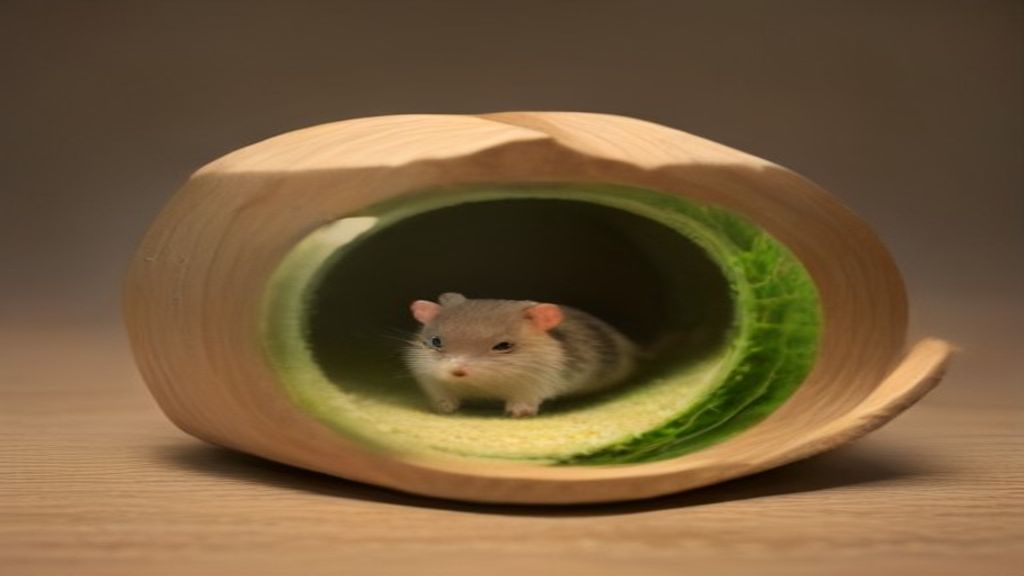
Enclosure Types and Bedding Depth
When setting up a habitat, remember these key parameters:
- Deep Bedding: Both types love to burrow. Provide at least 6 to 10 inches of dust-free paper-based bedding or aspen shavings so they can construct complex tunnel systems.
- Wheel Sizing: This is vital. A Syrian hamster requires a wheel of at least 11–12 inches to prevent spinal arching. Dwarf hamsters need a smaller wheel (6.5–8 inches), but it must have a solid running surface to protect their tiny feet and tails.
- Multichamber Hides: Hamsters are prey animals in the wild. Providing secure multi-chamber wooden hideouts helps them feel safe, reduces anxiety, and mimics natural underground burrow networks.
Dietary Requirements and Metabolic Differences
While both species require a balanced mix of seeds, grains, and protein, dwarf hamsters have a distinct physiological vulnerability: they are genetically predisposed to diabetes, particularly Campbell’s dwarf hamsters. Consequently, their diets must be strictly low in natural sugars. Avoid feeding them sugary fruits like bananas, grapes, or excessive carrots. Syrian hamsters can tolerate moderate amounts of fruit as an occasional treat without issue.
Conclusion
Choosing between a Syrian and a Dwarf hamster depends entirely on your lifestyle, available space, and personal preferences regarding pet interaction. Syrian hamsters are generally better suited for beginners and younger enthusiasts who want a calmer, slower-moving companion that is easy to hold. On the flip side, dwarf hamsters offer endless entertainment through their lightning-fast acrobatics and complex social interactions (if keeping a compatible pair). By ensuring proper housing, appropriate wheel sizes, and species-specific diets, you can provide a fulfilling, enriching life for either rodent companion.

