
Key Takeaways
- Diabetes Risk: Dwarf hamsters (Campbell’s and Chinese) are genetically prone to diabetes and require strict sugar avoidance, unlike hardy Syrian hamsters.
- Protein Requirements: Growing Syrian hamsters need around 18-20% protein, whereas adult dwarf hamsters thrive on a slightly lower protein level (15-17%).
- Food Size: Dwarf hamsters benefit from smaller, finer seed mixes that are easier for their petite pouches and mouths to process.
- Fresh Produce Balance: Syrian hamsters can tolerate a wider variety of fruits, while dwarf hamsters should stick exclusively to low-sugar, fibrous vegetables.
When welcoming a small pet into your home, understanding their nutritional requirements is one of the most critical steps in ensuring a long, healthy life. At first glance, it might be tempting to assume that all hamsters eat the same commercial blend. However, as experts at Rodents Info emphasize, the physiological differences between Syrian hamsters and various dwarf species (such as Campbell’s, Winter White, Roborovski, and Chinese hamsters) call for completely tailored nutritional strategies.
Understanding the Biological Differences
To craft the ideal menu for your pet, you must first recognize why their diets differ. Syrian hamsters (Mesocricetus auratus) are solitary, larger-bodied rodents that originally hailed from the arid regions of the Middle East. They possess robust digestive tracts capable of processing a diverse array of grains, seeds, and occasional sweet treats.
Conversely, dwarf hamsters come from the steppes and semi-deserts of Siberia, Mongolia, and northern China. These environments shaped them into agile foragers accustomed to sparse, fibrous vegetation, coarse grasses, and tiny seeds. Most importantly, several dwarf species have evolved a genetic predisposition to type-2 diabetes, changing the rules entirely regarding what you can safely place in their food bowls.

Syrian Hamster Diet: Fueling the Golden Giant
Syrian hamsters are significantly larger than their dwarf counterparts, often weighing upwards of 120 to 200 grams. Because of their body mass and active metabolisms, their dietary profile leans toward higher protein and moderate energy content.
Protein and Fat Content
Young and growing Syrian hamsters require a diet containing roughly 18% to 20% crude protein. This supports rapid development, muscle maintenance, and a healthy coat. Adult Syrians can maintain condition on around 16% protein. Healthy fats should sit around 5% to 7%, primarily sourced from wholesome seeds like sunflower or pumpkin seeds given in moderation.
Fruits and Vegetables for Syrians
Unlike their dwarf cousins, Syrian hamsters do not carry a high risk of diabetes. This means you can occasionally treat your Syrian to small cubes of fruit such as apples, bananas, pears, or berries. Fresh vegetables like broccoli, carrots, cucumber, and leafy greens should still form the bulk of their fresh food rotation, provided they are introduced gradually to prevent wet tail or diarrhea.
Dwarf Hamster Diet: Managing Diabetes and Tiny Portions
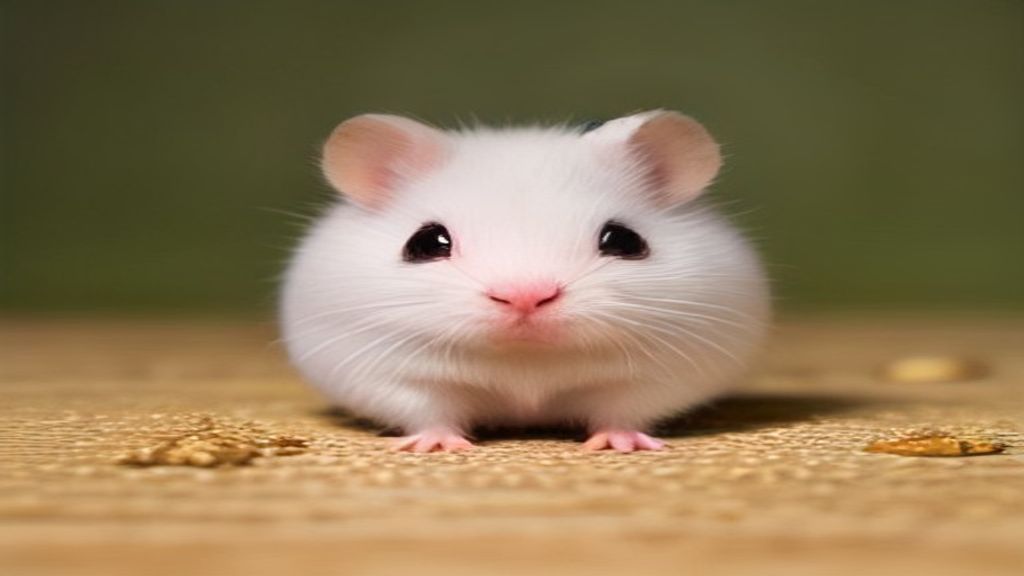
Feeding a dwarf hamster—whether a Winter White, Campbell’s, Roborovski, or Chinese dwarf—requires careful label reading and a strict ban on sugary foods. Campbell’s dwarf hamsters and their hybrids are particularly notorious for developing diabetes if fed commercial mixes laden with dried fruits, molasses, or high-sugar peas.
Avoiding Sugar at All Costs
The golden rule for dwarf hamster nutrition is zero added sugars. You must completely avoid:
- All fresh fruits (apples, bananas, grapes, berries)
- Dried fruits (raisins, sultanas, banana chips)
- Honey-coated seed sticks or commercial yogurt drops
- Starchy root vegetables in high quantities (like sweet potatoes and large amounts of carrots)
Safe Vegetables for Dwarf Hamsters
Stick strictly to low-sugar, high-fiber, and water-rich veggies. Excellent choices include zucchini, cucumber, spinach, kale, bell peppers, and broccoli florets. Herbs like dandelion, parsley, and cilantro can also add wonderful enrichment to their daily meals.
Direct Comparison: Syrian vs. Dwarf Nutritional Needs
| Nutritional Factor | Syrian Hamster | Dwarf Hamster Species |
|---|---|---|
| Target Protein Level | 18% – 20% (Higher for growing pups) | 15% – 17% (Slightly lower, balanced) |
| Diabetes Risk | Low (Can process moderate natural sugars) | High (Particularly Campbell’s and hybrids) |
| Fruit Allowance | Occasional small treats allowed | Strictly forbidden due to sugar content |
| Seed Size & Texture | Standard commercial seed and pellet mixes | Fine-grained seed mixes suited for tiny mouths |
Conclusion
While both Syrian and dwarf hamsters thrive on a base of high-quality lab blocks or pellets supplemented with seeds and fresh greens, their specific physiological needs diverge significantly. By tailoring protein ratios, choosing appropriately sized food particles, and fiercely guarding dwarf species against excess sugars, you will promote optimal health, prevent chronic illnesses, and extend your small companion’s lifespan.

