
Key Takeaways: Syrian vs. Dwarf Capybaras
- Taxonomic Reality: While the standard (Syrian is a misnomer often confused with hamsters, but often referred to in the pet trade as standard South American capybaras) vs. lesser capybara debate exists, true ‘dwarf’ capybaras refer to the lesser capybara (*Hydrochoerus isthmius*).
- Size Disparity: Standard capybaras can reach up to 150 lbs, whereas the lesser/dwarf capybara rarely exceeds 90 lbs.
- Habitat Needs: Both species require extensive aquatic enclosures, but lesser capybaras have slightly different native geographical ranges in Central and northwestern South America.
- Legality & Care: Owning any capybara species demands specialized permits, massive water features, and a strict herbivorous diet.
When diving deep into the world of hystricomorph rodents, the capybara (*Hydrochoerus*) stands unrivaled as the largest living rodent on Earth. However, a common point of confusion among exotic pet enthusiasts and wildlife admirers alike is the distinction between different types of capybaras—specifically, standard large-format capybaras and the much rarer, smaller variants often colloquially termed “dwarf capybaras.”
As experts at Rodents Info, we receive countless inquiries regarding these semi-aquatic giants. In this comprehensive guide, we will break down the taxonomy, physical characteristics, behavioral traits, and husbandry requirements of standard and dwarf capybaras to clear up common myths.
Understanding Capybara Taxonomy: Are Dwarf Capybaras Real?
To understand the differences, we must first address a common misnomer. While people frequently search for “Syrian capybaras” (often a conflation with Syrian hamsters), the pet and zoological trade generally recognizes two distinct species within the genus *Hydrochoerus*:
- The Greater Capybara (*Hydrochoerus hydrochaeris*): The massive, widely recognized species native to most of South America east of the Andes.
- The Lesser Capybara (*Hydrochoerus isthmius*): Often referred to as the dwarf capybara, native to Panama, Colombia, and northwestern Venezuela.
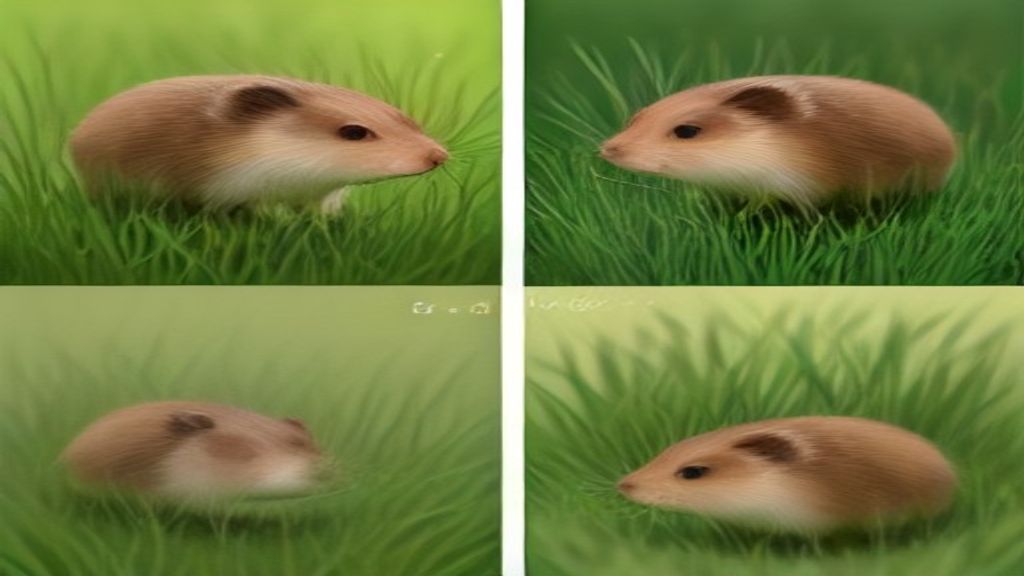
Physical Differences: Size, Weight, and Appearance
The most immediate differentiator between the standard greater capybara and the lesser (dwarf) capybara is sheer physical scale. Though both share the iconic barrel-shaped body, webbed toes, and blunt snouts adapted for an amphibious lifestyle, their measurements vary significantly.
| Trait | Greater Capybara (*H. hydrochaeris*) | Lesser / Dwarf Capybara (*H. isthmius*) |
|---|---|---|
| Adult Weight | 77 – 150 lbs (35 – 68 kg) | 60 – 90 lbs (27 – 41 kg) |
| Head-Body Length | 3.5 – 4.5 feet (105 – 135 cm) | 2.5 – 3.5 feet (80 – 105 cm) |
| Coat Texture | Coarse, reddish-brown to dark brown | Slightly finer, often lighter grayish-brown |
| Geographic Range | Amazon basin, Brazil, Argentina, Venezuela | Panama, Colombia, NW Venezuela |
Behavioral Traits and Social Structures
Capybaras are intensely social animals, living in herds ranging from 10 to over 40 individuals in the wild. Whether looking at the greater or the dwarf species, their social dynamics remain remarkably similar:
- Vocalizations: Both species use a complex array of clicks, whistles, barks, and purrs to communicate danger, submission, or maternal bonding.
- Hierarchical Herds: Dominant males govern the social structure, which dictates access to grazing areas and swimming holes.
- Crepuscular Activity: They are most active during early morning and late afternoon hours, spending the scorching midday submerged in water or resting in dense vegetation.
Husbandry, Diet, and Captive Care Requirements
Keeping either species of capybara requires a monumental commitment. They are not traditional domestic rodents like guinea pigs or mice; they possess wild instincts and specialized environmental needs.
1. Aquatic Enclosures
Both greater and dwarf capybaras require deep, clean water sources. They mate, give birth, defecate, and thermoregulate in water. A standard backyard kiddie pool is wholly insufficient; a concrete-lined pond with filtration is mandatory for captive welfare.
2. Specialized Herbivorous Diet
Capybaras are strict herbivores, grazing primarily on aquatic plants and thick grasses. In captivity, their diet must be heavily supplemented with high-fiber grass hays (timothy or orchard grass), fresh leafy greens, and specifically formulated vitamin C supplements, as capybaras cannot synthesize their own Vitamin C.
Concluding Summary
While the term “Syrian capybara” is an internet myth blending hamsters and South America’s giant rodents, the distinction between the Greater Capybara and the Lesser (Dwarf) Capybara is scientifically valid. Though the lesser capybara offers a slightly smaller footprint, both species demand specialized zoological-grade care, massive aquatic enclosures, and a dedicated social environment that makes them entirely unsuitable for average pet owners.

