
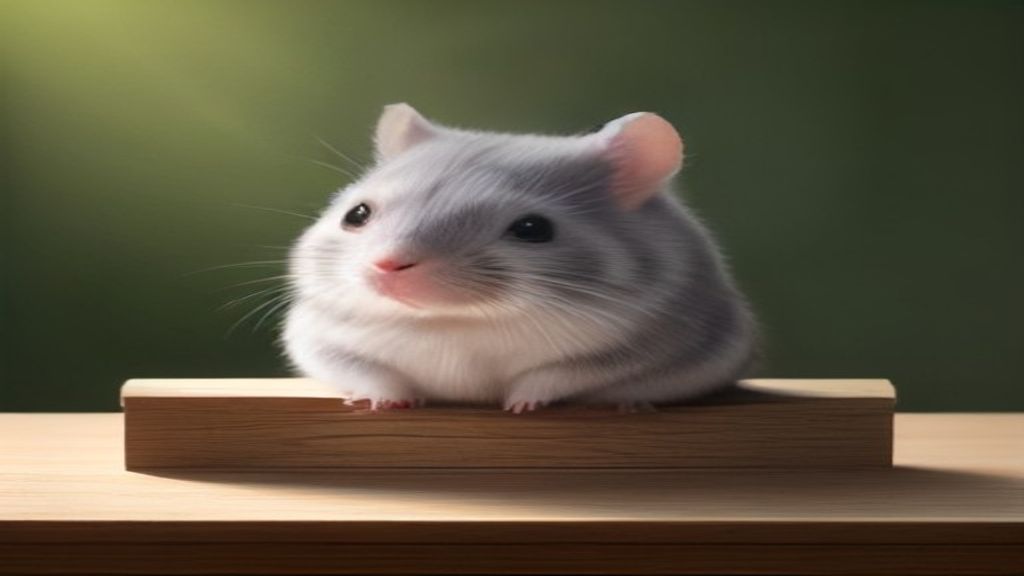
Hailing from the high-altitude Andes Mountains of South America, chinchillas are some of the most uniquely adapted rodents on planet Earth. Their ultra-dense fur boasts an astonishing 60 to 80 individual hairs emerging from each single follicle (compared to 1 to 2 hairs in humans), an adaptation designed to withstand sub-zero mountain winds.
However, this dense pelt creates distinct biological vulnerabilities in domestic homes: chinchillas cannot tolerate ambient temperatures above 75°F, cannot be bathed in water, and will chew through virtually any plastic item in minutes. As covered in our sanitation guide on how to properly clean and disinfect a chinchilla cage, stocking your habitat with 100% metal, volcanic stone, and kiln-dried pine supplies is critical for survival.
💡 Essential Chinchilla Care Rules
- Strict Zero-Plastic Habitat Policy: Chinchillas are vigorous chewers. Ingested plastic slivers cause fatal gastrointestinal impaction within 24 hours. All ledges, wheels, and houses must be metal, ceramic, or kiln-dried pine.
- 15-Inch Minimum Metal Running Wheel: Adult chinchillas have long spines and powerful hind legs. Undersized plastic wheels cause spinal fractures. Only all-metal 15-inch wheels are safe.
- Mandatory Volcanic Dust Baths (2-3 Times Weekly): Water causes their dense coat to rot with fungal ringworm. Volcanic ash (Blue Cloud) absorbs oils and maintains pelt fluffiness.
Top 3 Chinchilla Essentials Evaluated
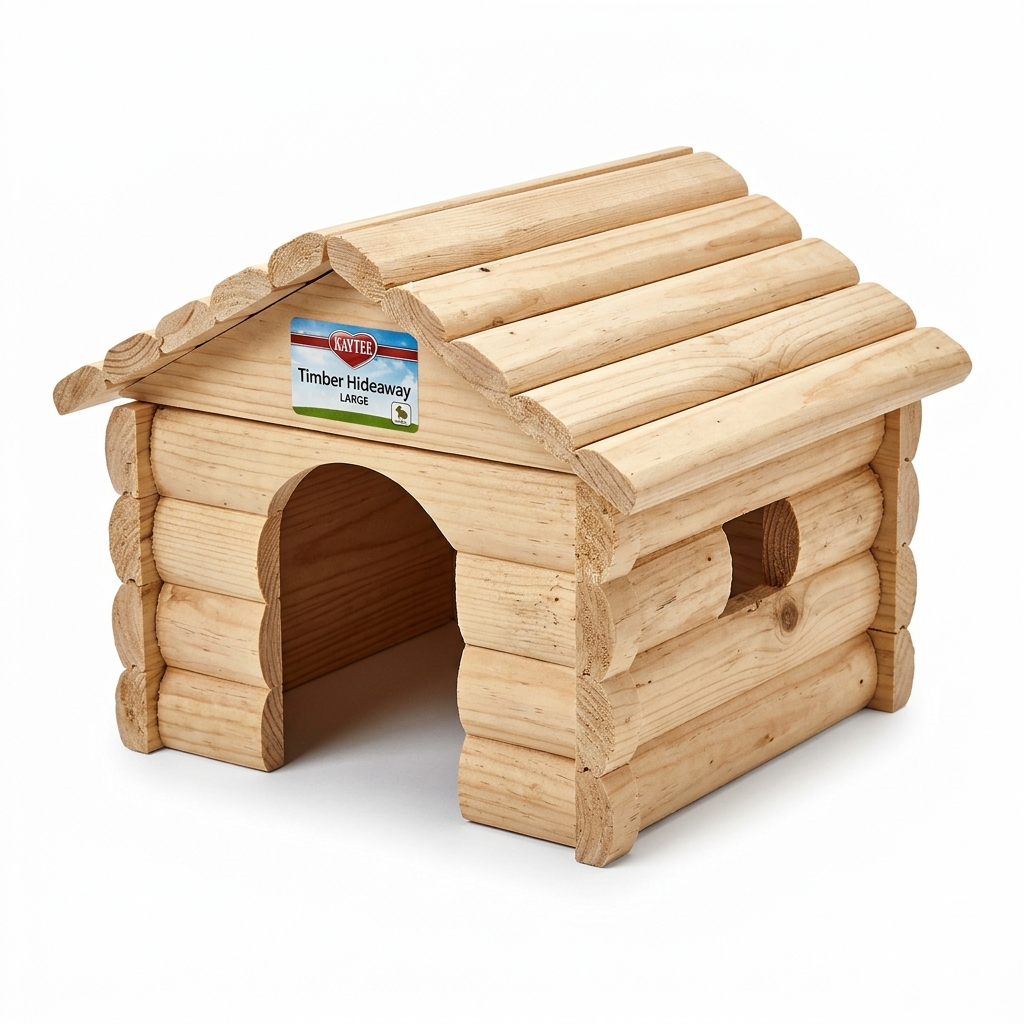
Chin-Sprint 15-Inch Heavy-Duty All-Metal Wheel
The #1 veterinarian-recommended chinchilla wheel worldwide. Fabricated from 100% chew-proof heavy gauge steel with dual sealed ball bearings. 15-inch diameter ensures zero spinal curvature during sprints.
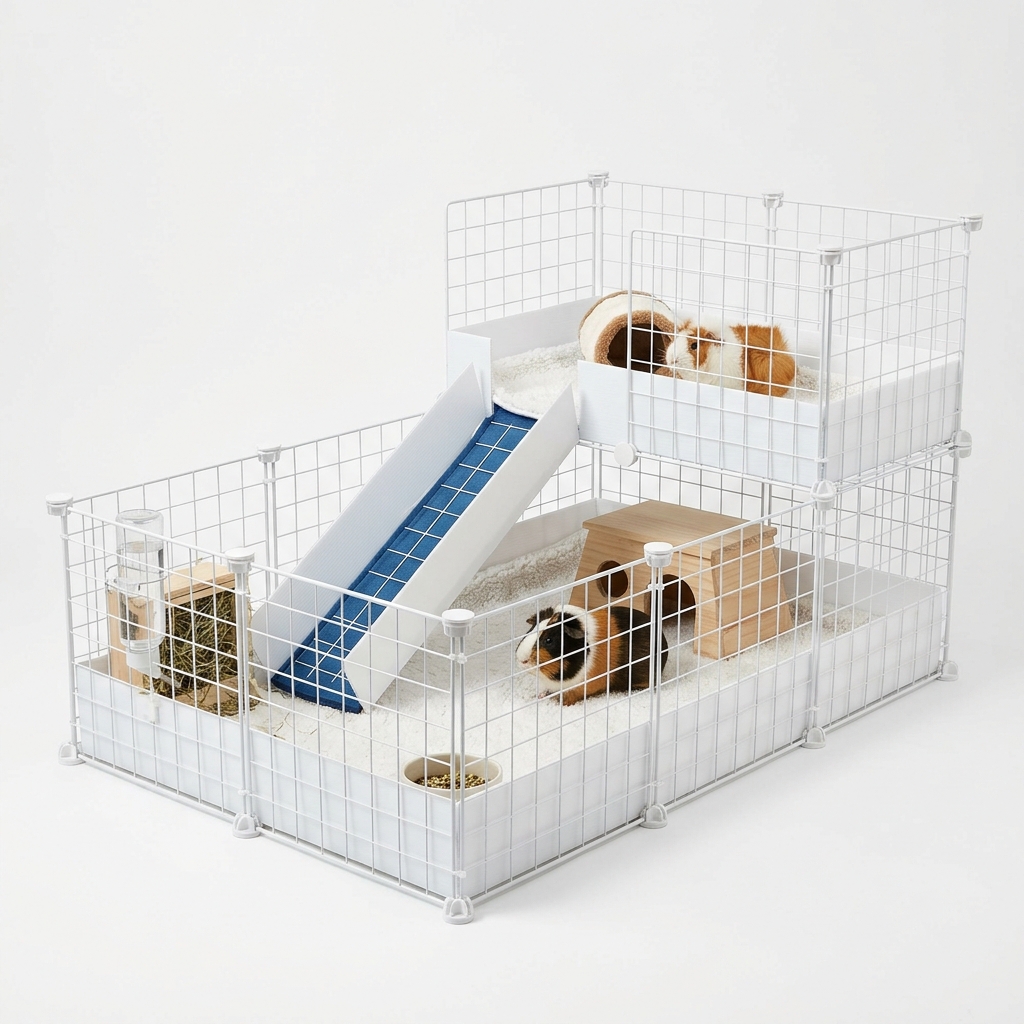
Oxbow Poof! Blue Cloud Natural Chinchilla Dust (2.5 lbs)
Mined sustainably from genuine Blue Cloud volcanic pumice deposits in Southern California. Ultra-fine micro-powders penetrate down to the hair base, absorbing moisture without clumping.
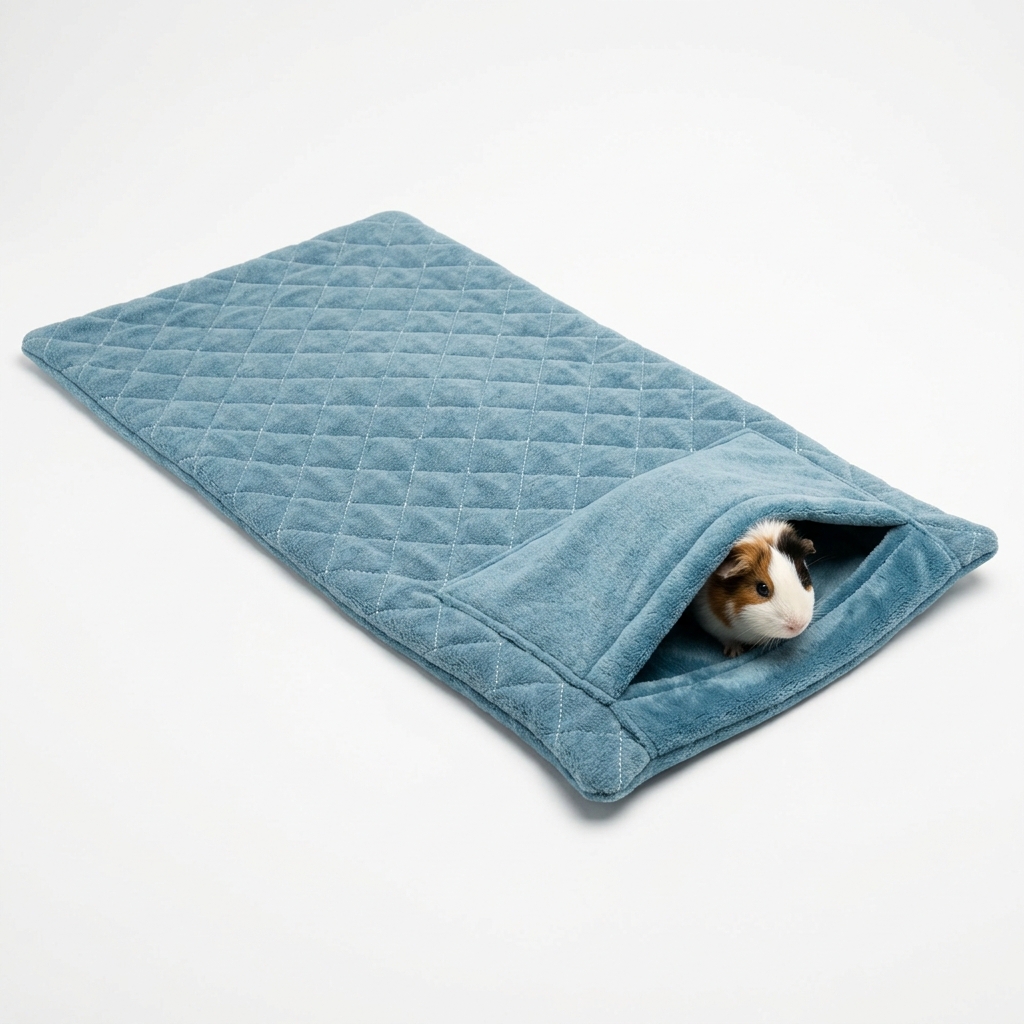
Kaytee Chin-Chiller Natural Granite Cooling Slab
Solid natural polished granite stone remains naturally cooler than ambient room temperature. Provides a safe, chew-proof thermodynamic cooling pad for resting after intense wheel runs.
Frequently Asked Questions
Why is water fatal to a chinchilla’s coat?
Because chinchilla fur has virtually zero natural air pockets and 80 hairs per follicle, getting wet causes water to trap directly against the skin. Fur takes days to dry naturally, leading to severe hypothermia, acute pneumonia, and aggressive dermal ringworm fungus.
What is the ideal room temperature for chinchillas?
Keep your chinchilla room strictly between 60°F and 72°F (15°C to 22°C). Chinchillas do not have sweat glands and cannot pant effectively. Temperatures exceeding 75°F (24°C) trigger acute, fatal heat stroke.

