
Key Takeaways
- Rats are generally comfortable in temperatures between 65°F and 75°F (18°C–24°C).
- Domestic rats are NOT built for freezing temperatures and can quickly develop hypothermia.
- Providing nesting materials, fleece accessories, and draft-free housing is essential during winter.
- Always monitor for signs of distress, including lethargy, cold ears, or respiratory issues.
Understanding Rat Physiology and Temperature Regulation
Many pet owners often ask, “Can rats survive cold weather?” The short answer is that while rats are resilient creatures, their tolerance for cold is significantly lower than most people assume. As small mammals, rats have a high surface-area-to-volume ratio, meaning they lose body heat much faster than larger animals.
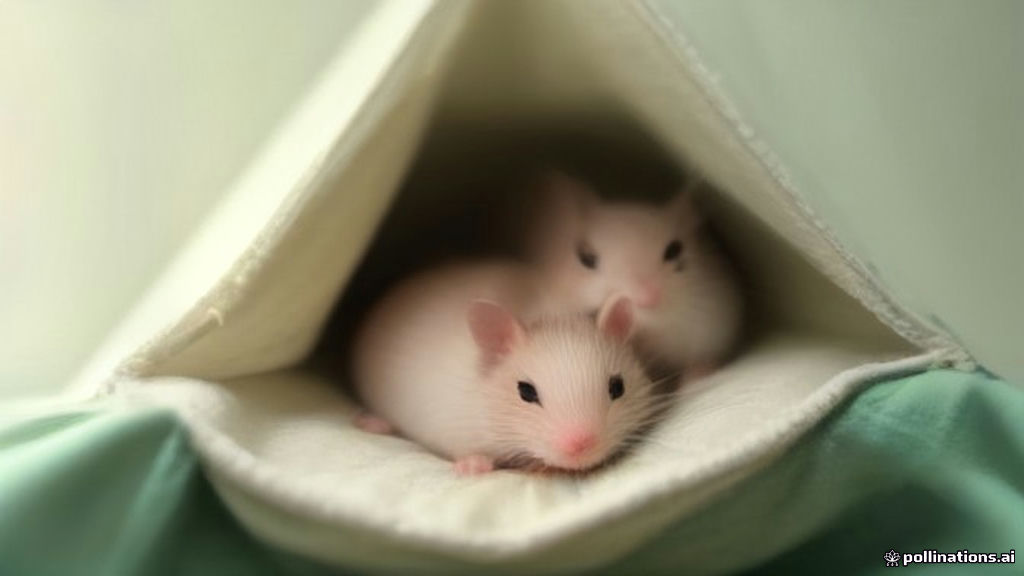
Domesticated fancy rats, such as the Rattus norvegicus, lack the seasonal adaptations required to survive harsh winter conditions in the wild. While their wild counterparts may burrow deep underground to escape frost, your pet rat is entirely dependent on the micro-climate you provide within your home.
The Danger Zone: Temperature Ranges for Rats
To keep your rats in peak health, you should aim to maintain a consistent indoor environment. The following table illustrates how different temperatures affect your pets:
| Temperature | Status | Recommended Action |
|---|---|---|
| 70°F – 75°F | Ideal | Perfect range for activity and health. |
| 60°F – 65°F | Threshold | Acceptable, but provide extra nesting material. |
| Below 55°F | Dangerous | Risk of respiratory illness and hypothermia. |
| Below 45°F | Emergency | Critical risk; move to a warmer room immediately. |
Signs Your Rat is Too Cold
Rats are stoic animals, often hiding signs of discomfort until they are quite ill. During the winter months, pay close attention to behavioral changes. If you suspect your home is dropping below comfortable levels, observe the following indicators of cold stress:
- Curled Posture: Rats will hunch tightly into a ball to conserve heat.
- Cold Extremities: If their tails or ears feel abnormally cold or pale to the touch, their core temperature may be dropping.
- Lethargy: A significant decrease in activity or reluctance to exit their sleeping area.
- Huddling: If they are not typically communal sleepers but are now constantly piled on top of each other, they are likely seeking extra warmth.
Practical Tips for Keeping Rats Warm in Winter
When the temperature drops, you need to adjust your husbandry practices. Here are professional recommendations to ensure your rats remain cozy throughout the winter.
1. Optimize the Cage Location
The most important step is placement. Never place a cage near windows, exterior walls, or directly under air conditioning vents. These areas are prone to drafts. Even if the room feels warm, a subtle draft can cause a rapid drop in a rat’s body temperature.
2. Upgrade Bedding and Nesting Materials
In the winter, provide more substrate than usual. Deep bedding allows rats to tunnel and create their own insulation. Additionally, offer plenty of plain, unscented paper towels or strips of fleece. Avoid cotton nesting fibers, as these can snag on limbs and cause circulation issues.
3. Utilize Fleece Accessories
Fleece is a superior fabric for rat cages. Unlike terry cloth, it doesn’t fray into dangerous threads. Providing fleece hammocks, “space pods,” or snuggle sacks gives rats a protected space to trap their body heat.
4. Safe Heat Sources
If your home is exceptionally cold, consider a pet-safe heating pad specifically designed for small animals. Important: Always place the pad under only one corner of the cage or underneath the bottom of the cage, never inside the habitat where it can be chewed. Rats must always have the option to move to a cooler part of the cage if they overheat.
When Cold Weather Becomes a Health Risk
Cold weather doesn’t just cause physical discomfort; it significantly weakens the immune system. Rats are notoriously prone to Mycoplasma pulmonis, a respiratory condition that often flares up when the animal is stressed or cold. If your rats are exposed to prolonged low temperatures, they may develop “rattles” (wheezing or clicking noises), sneezing, or discharge from the eyes and nose. If you notice these symptoms, consult an exotic veterinarian immediately.
Conclusion
Can rats survive cold weather? While they are robust, they are not designed to endure the biting cold of winter months without assistance. By maintaining a stable room temperature, providing deep nesting materials, and keeping their housing away from drafts, you can ensure your rats remain healthy, happy, and warm all year round. Regular observation is the key to preventing cold-related illnesses before they start.

