
When an adult groundhog (woodchuck) decides to dig its burrow directly beneath your concrete porch, shed foundation, or swimming pool patio, the structural damage can be staggering. A single groundhog excavates over 700 pounds of dirt to construct an underground network spanning 45 feet, compromising home foundations in weeks.
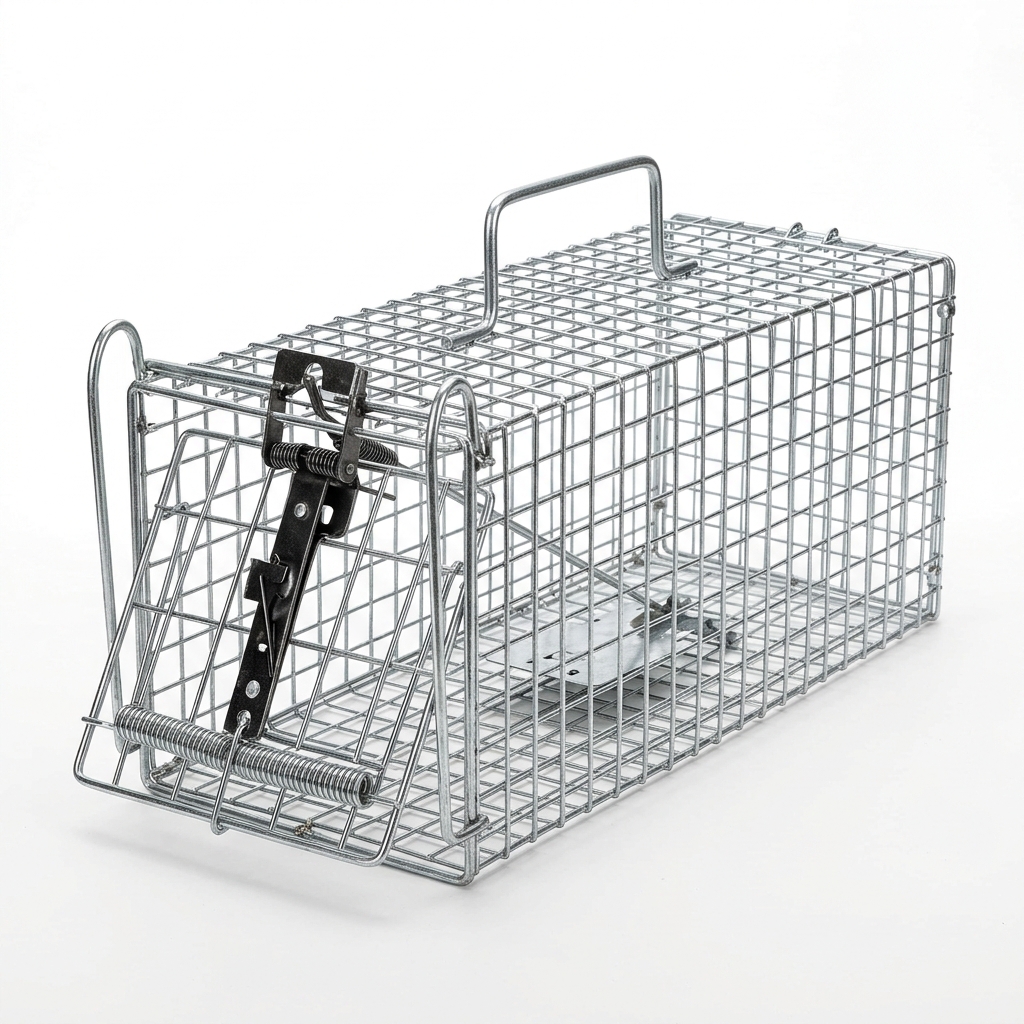
Because chemical poisoning is dangerous and inhumane, live catch-and-release cage trapping is the gold standard method endorsed by wildlife agencies. As discussed in our legal and biological breakdown on catching groundhogs safely and humane trapping ethics, deploying heavy-gauge galvanized live traps with the right sweet baits resolves infestations without harm.
💡 Live Trapping Rules
- Groundhogs Require 32″ Large Traps (Havahart 1081 / 1079): Woodchucks have strong, muscular bodies weighing up to 13 pounds. If placed in an undersized racoon trap, their thick tail prevents the spring door from latching shut.
- Use Cantaloupe, Strawberries, and Sweet Corn as Bait: Groundhogs are strict herbivores driven by sweet aromas. Slices of ripe cantaloupe or fresh sweet corn ears produce a fragrant scent trail that easily lures woodchucks into the cage.
- Cover Trap with Burlap or Twigs: Wild rodents are naturally suspicious of shiny metallic wire. Camouflaging the trap bottom with soil and draping burlap over the roof mimics a natural burrow entrance.
Top 3 Humane Live Catch Traps
Havahart 1081 Heavy-Duty 1-Door Live Trap (32″x10″x12″)
The benchmark in humane wildlife capture. Heavy rust-resistant galvanized steel wire with smoothed internal edges prevents self-injury. Patented spring-loaded door trigger latches instantly without escape.
Havahart 1025 2-Door Live Animal Cage Trap (18″x5″x5″)
Dual-door entry creates a straight visual tunnel, encouraging wary chipmunks and squirrels to enter without hesitation. Sensitive spring trigger trips effortlessly even under lightweight animals.
HomGarden 32-Inch Collapsible Humane Trap
Foldable design sets up in 30 seconds and stores flat in your garage. Solid metal plate handle guard protects your hands from scratches during transport and relocation.
Frequently Asked Questions
How far away should I release a trapped groundhog?
Relocate the animal at least 5 to 10 miles away from your property in a state-permitted public wildlife sanctuary or deciduous forest preserve with access to fresh water. Check your local state Department of Natural Resources (DNR) guidelines before relocating.
How often should I check a set live trap?
Check traps at least every 2 to 4 hours (and never leave set overnight). Trapped wild rodents can dehydrate or suffer heat exhaustion rapidly in direct summer sunlight.

