

Bedding is the absolute foundation of a hamster’s world. While other small pets treat bedding simply as ground flooring or an absorbent bathroom surface, hamsters use bedding as their architectural medium. Their primary biological drive is to dig tunnels, excavate hidden bedrooms, and stash dry grains underground.
Yet, choosing the wrong bedding can have catastrophic health consequences. Dusty shavings trigger upper respiratory infections, while toxic softwood oils cause chronic liver toxicity. As outlined in our habitat cleaning protocol on how to clean a hamster cage without destroying burrow tunnels, selecting high-expansion paper bedding or kiln-dried hardwood aspen creates an odor-free, safe burrowing paradise.
💡 Bedding & Tunnel Rules
- Mix Paper Bedding with Orchard Grass Hay: Pure paper bedding can sometimes collapse under its own weight. Layering high-fiber orchard grass or timothy hay between layers of paper creates reinforced tunnel walls that never cave in.
- Never Buy “Fluffy Bedding” or Cotton Wool: Synthetic cotton bedding cannot be digested if ingested (causing fatal intestinal impaction) and easily wraps around delicate limbs, cutting off circulation.
- Aspen is the ONLY Safe Wood Shaving: If you prefer wood shavings, use only 100% kiln-dried aspen. Cedar and unbaked pine contain aromatic phenols that destroy respiratory cilia.
Top 3 Hamster Bedding Substrates
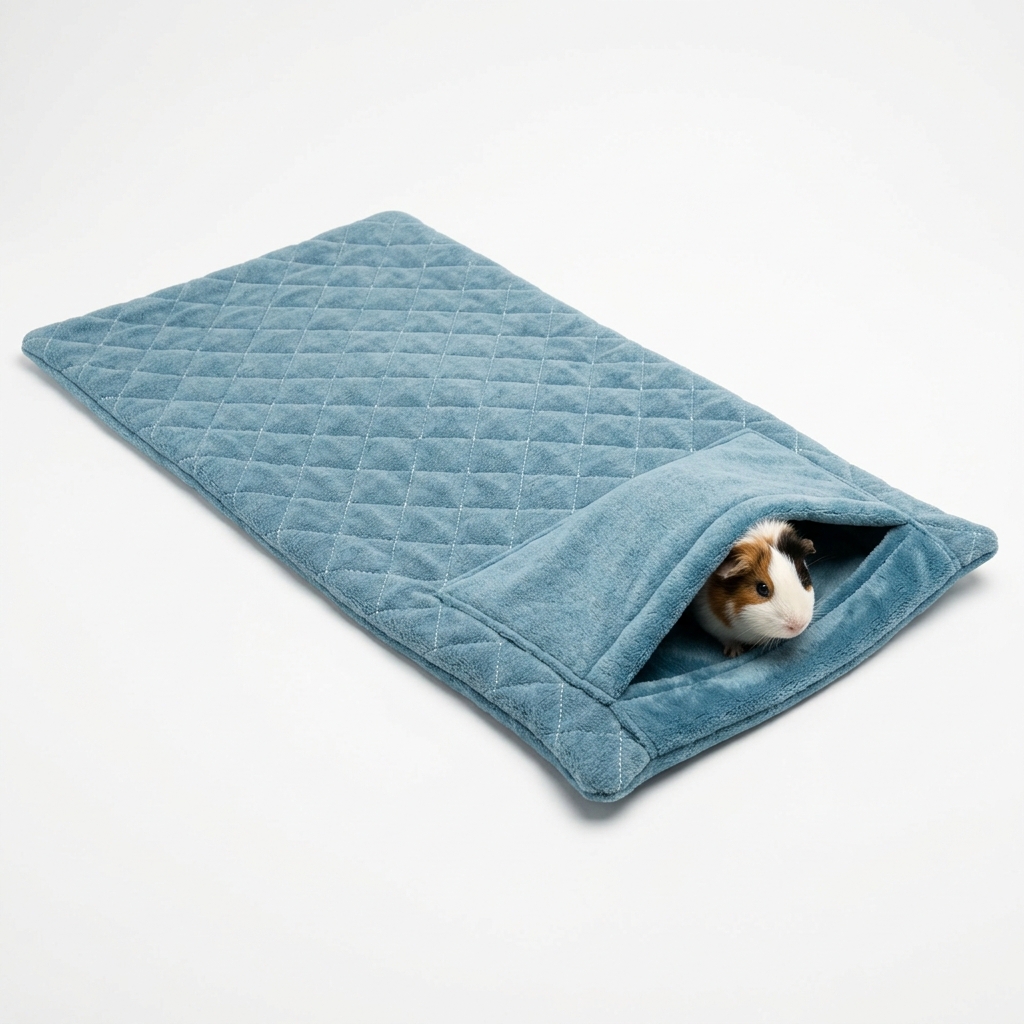
Carefresh Complete Natural Dust-Free Paper Bedding
The benchmark in small pet paper substrate. Proprietary cellulose fiber holds structured underground burrow networks better than lightweight tissue papers, while absorbing 2x more moisture than wood.
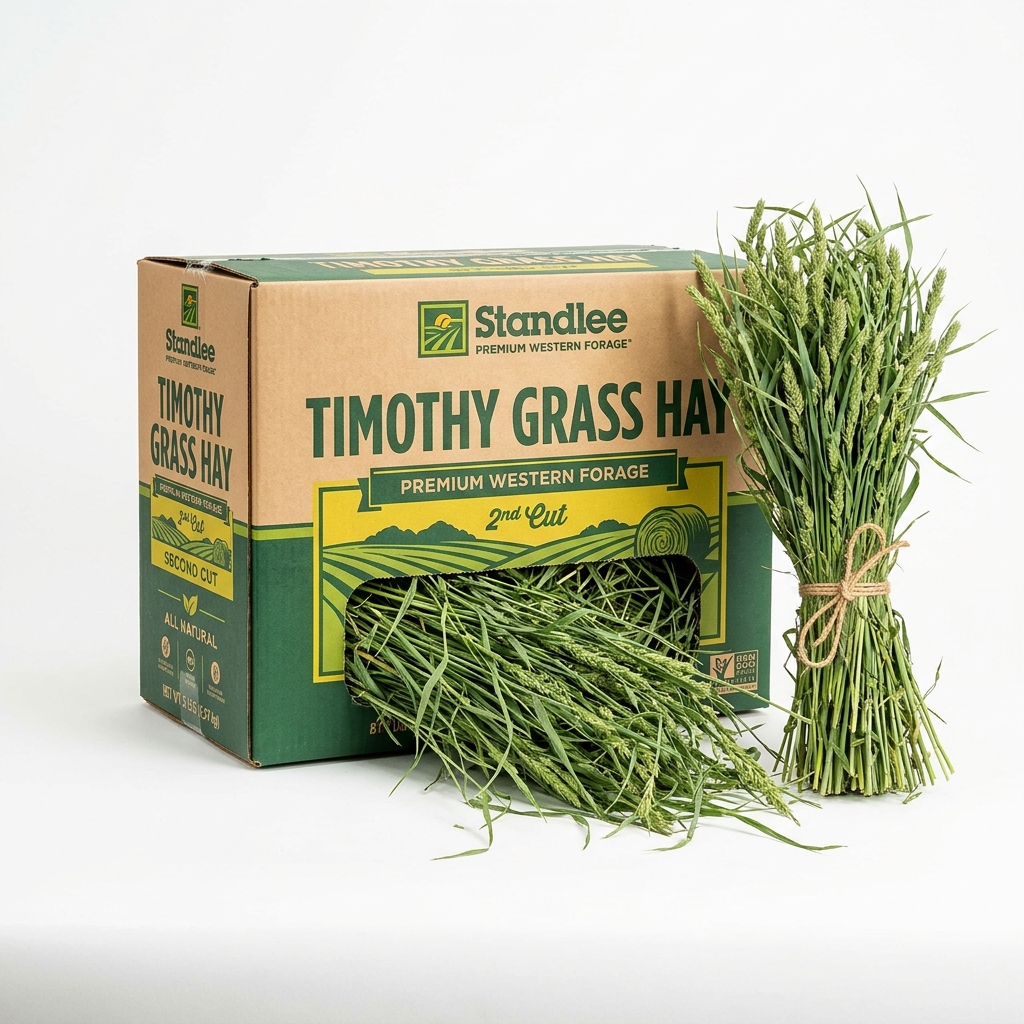
Kaytee Clean & Cozy Super Soft Paper Bedding
99.9% dust-free virgin paper fibers expand to 3x their bag volume. Ultra-soft plush texture is loved by hamsters for lining their internal sleeping nests and pouched hoarding chambers.
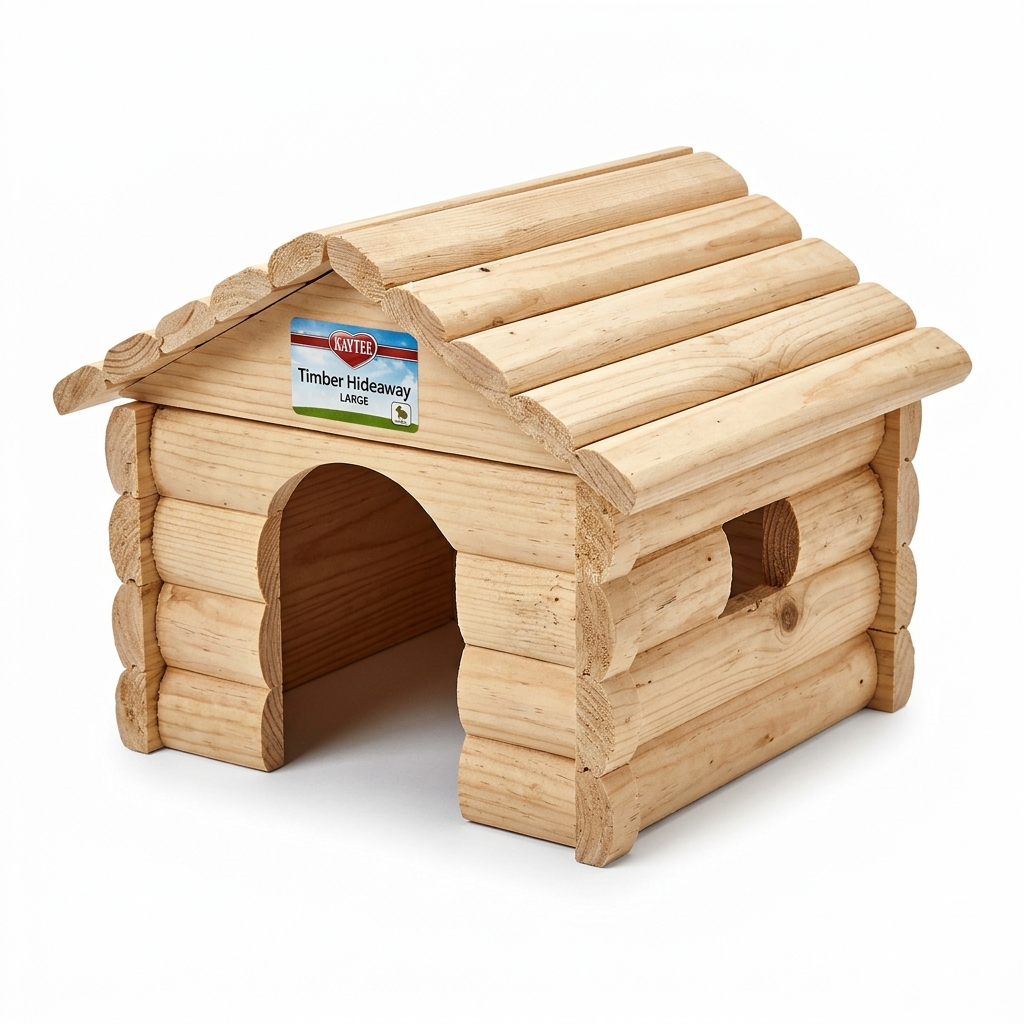
Small Pet Select Kiln-Dried 100% Pure Aspen Shavings
Triple-screened to remove airborne micro-dust. Aspen is a safe hardwood devoid of harmful aromatic phenols. Provides an authentic forest-floor naturalistic aesthetic when mixed into habitats.
Frequently Asked Questions
How often should I clean out deep hamster bedding?
In an 800+ sq inch habitat with 10 inches of bedding, spot-clean wet corners every 2 days, and perform a partial 30% bedding refresh only once every 4 to 6 weeks.
Why is scented bedding dangerous for hamsters?
Hamsters have an acute olfactory sense. Scented beddings cause severe respiratory inflammation and corneal irritation.

