
- Sleeping Apart: This is often the first and most reliable early warning sign of a declan.
- The “Ball of Fur”: If gerbils are locked in a rolling ball, they must be separated immediately and permanently.
- Targeted Injuries: Bites on the tail or rump are clear indicators of aggressive chasing and social rejection.
- Prevention: Avoid over-cleaning habitats to maintain a communal scent and monitor gerbils closely during the 4-6 month age gap.
Understanding Gerbil Social Dynamics and Declanning
Gerbils are naturally social creatures that thrive in pairs or small groups, known as clans. In the wild, these clans are built on a strict hierarchy and a shared “clan scent.” However, in a domestic setting, this social structure can occasionally break down. This process is known as declanning. Unlike a simple squabble, declanning is a permanent or near-permanent rejection of a cage mate that often escalates to life-threatening violence.
As a zoologist specializing in small mammals, I cannot stress enough that declanning is not just “moodiness.” It is a biological drive to expel a perceived outsider from the territory. Recognizing gerbil declanning signs early is the difference between a minor scuffle and a tragic loss.
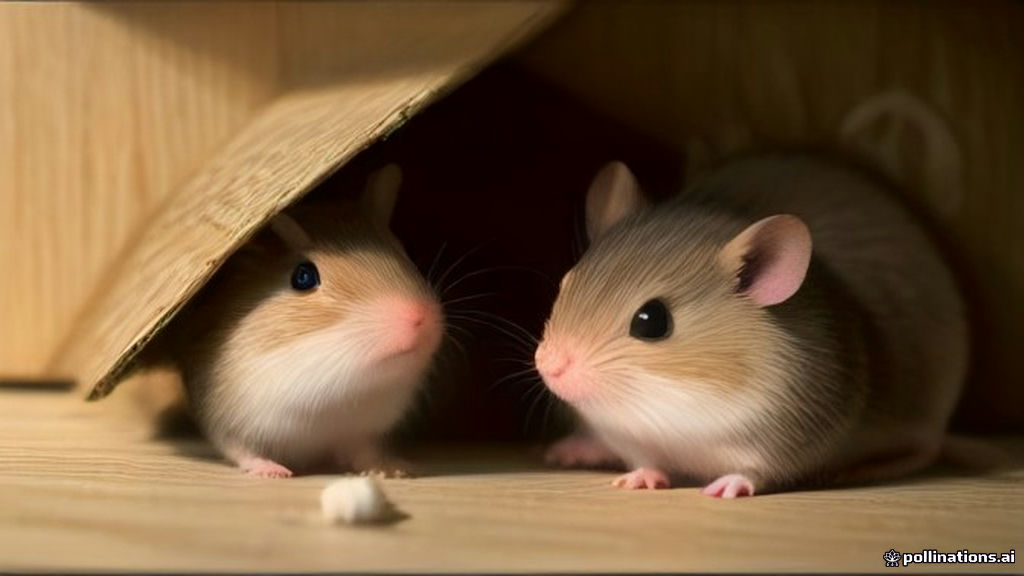
The Early Red Flags: Subtle Behavioral Shifts
Before a physical fight breaks out, gerbils usually display subtle shifts in their daily routine. Many owners miss these signs because they occur during the night or are mistaken for normal activity.
1. Sleeping in Separate Areas
Gerbils are famous for their “puddle” sleeping habits—huddling together in a large, warm pile. If you notice your gerbils have suddenly started sleeping in opposite corners of the tank, pay close attention. While a gerbil might occasionally sleep alone if it’s hot, consistent separation is the number one indicator that the social bond is fraying.
2. One Gerbil Being “Sidelined”
Observation is key here. Is one gerbil restricted to a specific corner or a higher shelf? If the dominant gerbil is preventing the subordinate one from accessing the main burrowing area or the food bowl, a declan is likely in progress. This is known as “territory guarding.”
3. Changes in Grooming Habits
Healthy gerbil pairs engage in frequent allogrooming (grooming each other). If this stops entirely, or if the grooming becomes frantic and one-sided (where one gerbil seems to be aggressively over-grooming the other’s neck or face), the power balance has shifted into dangerous territory.
Physical Signs and Aggressive Chasing
As the tension builds, the behavior will become more overt. You may start to see physical evidence of the conflict during your daily health checks.
4. The “Tails and Rumps” Rule
When gerbils play, they face each other. When they fight to declan, the aggressor chases the victim. The victim will try to run away, leading to bites on the hindquarters and tail. If you see scabs, thinning fur, or blood on a gerbil’s rump, they have moved past the point of reconciliation and need immediate separation.
5. Persistent, Focused Chasing
It is important to distinguish between “the zoomies” and aggressive chasing. In a declanning scenario, the chasing is relentless. The aggressor will not let the other gerbil rest, and the victim will often display signs of exhaustion, such as heavy breathing or a hunched posture.
| Behavior | Playful Interaction | Declanning Sign |
|---|---|---|
| Chasing | Brief, switches roles frequently. | Persistent, one-way, ends in biting. |
| Wrestling | Boxing with paws, lots of breaks. | Locking together in a tight ball. |
| Sleeping | Piled together in a nest. | Opposite sides of the enclosure. |
| Sound | Mostly silent. | High-pitched, frantic squeaking. |
The Emergency: The “Ball of Fur” Fight
The ultimate sign of a declan is the “ball of fur” fight. This is where the two gerbils lock onto each other with their teeth and roll around frantically. At this stage, they are trying to kill or seriously maim one another.
Warning: Do not use your bare hands to break up a gerbil ball. Their teeth are incredibly sharp and they will bite anything in their path in the heat of the moment. Use a piece of cardboard, a thick glove, or a dustpan to slide between them.
Why Do Gerbils Declan? Common Triggers
Understanding the “why” can help you prevent future issues. The most common triggers include:
- Adolescence: Between 4 and 7 months, gerbils hit puberty. Hormonal shifts can cause a subordinate gerbil to challenge the leader.
- Environment Changes: Cleaning the entire tank at once removes the clan scent. Always keep a handful of old bedding to mix with the new.
- Health Issues: If one gerbil becomes sick or weak, the other may perceive them as a liability to the clan and drive them away.
- Human Scents: Sometimes, handling one gerbil and not the other—or having the scent of a different animal on your hands—can confuse their recognition of each other.
What to Do If Your Gerbils Declan
If you have confirmed gerbil declanning signs, you must take action immediately. Following a physical fight involving blood, the pair can rarely live together in a standard setup ever again.
- Separate Immediately: Place them in two different permanent enclosures. Even if they seem “calm” five minutes after a fight, the bond is broken.
- Check for Injuries: Inspect both gerbils for bite marks. Deep punctures may require a vet visit for antibiotics, as rodent bites abscess easily.
- The Split-Tank Method: If the fight was minor (chasing but no blood), you can attempt a re-introduction using a split-tank setup. This involves a mesh divider that allows them to interact safely for several weeks. However, for a true declan, this often fails.
- Acceptance: Some gerbils, particularly females who are often more territorial, may prefer to live alone or with a much younger “pup” introduced via the split-tank method later on.
Conclusion: Vigilance is Key
Declanning is one of the most stressful experiences for a gerbil owner, but by keeping a close eye on their social cues, you can intervene before disaster strikes. Remember that sleeping habits and territory guarding are your early warning system. If you see blood or a “ball of fur,” the partnership is over. Prioritize their safety above your desire to see them together—a lonely gerbil is better than an injured or dead one.

