
- Yes, Boric Acid is Toxic: If ingested in sufficient quantities, boric acid can kill rats by damaging their digestive and nervous systems.
- Low Efficiency: Rats are “neophobic” (wary of new things) and often avoid boric acid baits unless they are perfectly masked.
- Safety Risks: Boric acid is hazardous to pets (dogs/cats) and children; it is not a “safe” alternative to commercial poisons.
- Better Options Exist: Snap traps and sealed bait stations are generally more effective for residential rat control.
The Science: How Does Boric Acid Kill Rats?
Boric acid, a naturally occurring compound of boron, oxygen, and hydrogen, has long been used as an insecticide and antiseptic. However, when it comes to mammalian pests like rats (Rattus norvegicus and Rattus rattus), the mechanism of action is slightly different than it is for insects. In cockroaches and ants, boric acid acts as a desiccant and a stomach poison. In rats, it acts primarily as a chronic metabolic toxin.
When a rat ingests boric acid, the compound enters the bloodstream and begins to disrupt the animal’s internal chemistry. It causes significant damage to the lining of the stomach and intestines, leads to dehydration, and ultimately causes organ failure—specifically affecting the kidneys and the central nervous system. However, unlike high-potency anticoagulants found in commercial rodenticides, boric acid is a slow-acting poison. A rat must consume a significant amount relative to its body weight for the dose to be lethal.
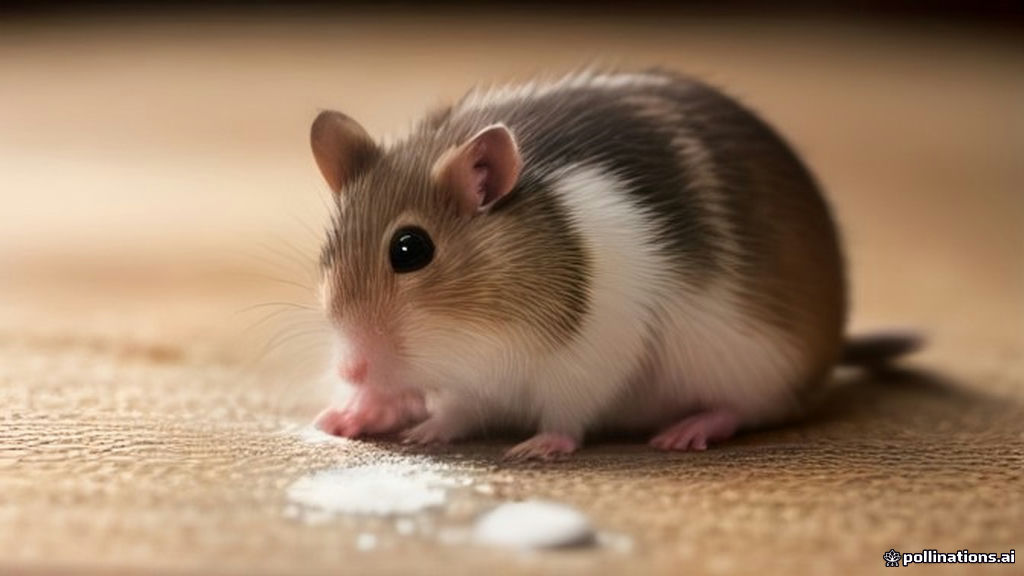
The Problem of Palatability and Neophobia
As a zoologist, I must emphasize that the biggest hurdle in using boric acid isn’t its toxicity—it’s getting the rat to eat it. Rats are evolutionary survivors known for neophobia, which is an extreme caution toward new objects or foods in their environment. If a rat nibbles a boric acid bait and feels slightly unwell without dying (sub-lethal dosing), it will develop a “bait shyness,” avoiding that specific food source entirely for the rest of its life.
DIY Boric Acid Rat Bait Recipes
Many homeowners attempt to create DIY baits to save money or avoid “harsh chemicals.” While I generally recommend professional-grade solutions, if you are using boric acid, it must be mixed with high-value attractants. The ratio usually involves one part boric acid to ten parts food. Common bases include:
- Peanut Butter: High protein and fat content make this the gold standard for rat bait.
- Flour and Sugar: Mixing boric acid with flour and sugar can create a dough-like bait that rats might find appealing.
- Cornmeal: Provides a grainy texture that mimics the natural grains rats scavenge in the wild.
It is crucial to remember that if the concentration of boric acid is too high, the rat will detect the chemical’s slightly metallic or bitter taste and reject the bait immediately.
Effectiveness Comparison: Boric Acid vs. Other Methods
To understand where boric acid sits in the hierarchy of rodent control, consider the following comparison table. This data is based on clinical efficacy and practical home application.
| Method | Time to Kill | Safety Risk | Effectiveness |
|---|---|---|---|
| Boric Acid | 3–7 Days | Moderate/High | Low |
| Snap Traps | Instant | Low (if placed correctly) | High |
| Anticoagulant Poison | 2–5 Days | Very High | Very High |
| Electronic Traps | Instant | Low | Medium/High |
The Risks: Is Boric Acid Safe for Pets and Children?
There is a dangerous misconception that boric acid is “natural” and therefore safe. In the context of rodent control, this is false. Boric acid is a known reproductive toxin and can cause severe gastrointestinal distress, seizures, and even death in domestic pets if consumed in large quantities. Because rats are much larger than ants or roaches, the amount of boric acid required to kill a rat is also enough to seriously harm a small dog or a curious toddler.
Secondary Poisoning Concerns
One benefit of boric acid over traditional rodenticides is the lower risk of secondary poisoning. If an owl or a neighborhood cat catches a rat that has ingested boric acid, the concentration in the rat’s tissues is generally not high enough to kill the predator. However, it can still cause illness. As a specialist, I always advocate for methods that minimize the impact on local wildlife.
The Zoologist’s Verdict: Should You Use It?
In my professional opinion, boric acid is an inefficient tool for rat control. While it technically works as a poison, the behavioral traits of rats make it an unreliable solution. You are likely to end up with half-sick, bait-shy rats that continue to breed, rather than a truly pest-free home.
Step-by-Step for Effective Control
- Exclusion First: Seal every hole larger than a quarter with steel wool and hardware cloth. Rats cannot chew through these materials.
- Sanitation: Remove all food sources. A rat will never choose a boric acid bait if there is fresh pet food or unsealed garbage nearby.
- Trapping: Use expanded-trigger snap traps. Place them along walls where rats travel, baiting them with peanut butter but *not* setting them for the first two nights. This overcomes their neophobia.
- Professional Help: If the infestation is large, consult a pest management professional who uses integrated pest management (IPM) techniques.
Conclusion
Does boric acid kill rats? Yes, it can, but it is far from the most humane or efficient method. Given the risks to household pets and the high likelihood of rats simply avoiding the bait, it is better to rely on mechanical traps and environmental exclusion. Rodent control is more about outsmarting the rat than out-poisoning it. By focusing on sanitation and structural integrity, you can achieve a permanent solution without the hazards of DIY chemical baits.

