
Key Takeaways: Does Bleach Keep Rats Away?
- Temporary Deterrent: Bleach does not repel rats long-term; its strong chemical scent may temporarily disrupt their navigation, but they will return once the odor fades.
- Not a Poison or Repellent: Bleach is a sanitizer, not an EPA-approved rodenticide or active sensory repellent.
- Dangerous Interactions: Mixing bleach with urine-heavy areas or other household cleaners (like ammonia or vinegar) creates toxic, potentially lethal gas.
- Health Hazards for Pets: The caustic nature of bleach can severely burn a rat’s sensitive paws and respiratory tract, but it can do the same to your household pets.
- Best Approach: Focus on exclusion (sealing entry points), proper sanitation, and professional traps rather than relying on chemical smells.
When faced with a sudden rodent infestation, homeowners often look around their houses for quick, inexpensive solutions. A common folk remedy passed down through generations is using household bleach to keep rats away. The sharp, overwhelming chemical odor seems powerful enough to drive away any living creature. But as an expert zoologist and rodent care specialist at Rodents Info, I am frequently asked: does bleach keep rats away, or is this just another urban myth?
In short, while bleach will temporarily mask scent trails and overwhelm a rat’s sensitive olfactory system, it is not an effective long-term rodent repellent. In this comprehensive guide, we will explore the science behind how rats perceive odors, the severe risks of using bleach for pest control, and the proven methods you should use instead.
How Rats Use Scent to Navigate Their Environment
To understand why bleach fails as a true repellent, we must first examine how rats interact with their world. Rats have an extraordinarily acute sense of smell. They rely on pheromones, urine markers, and scent glands to map their territory, find food sources, and communicate with other members of their colony.
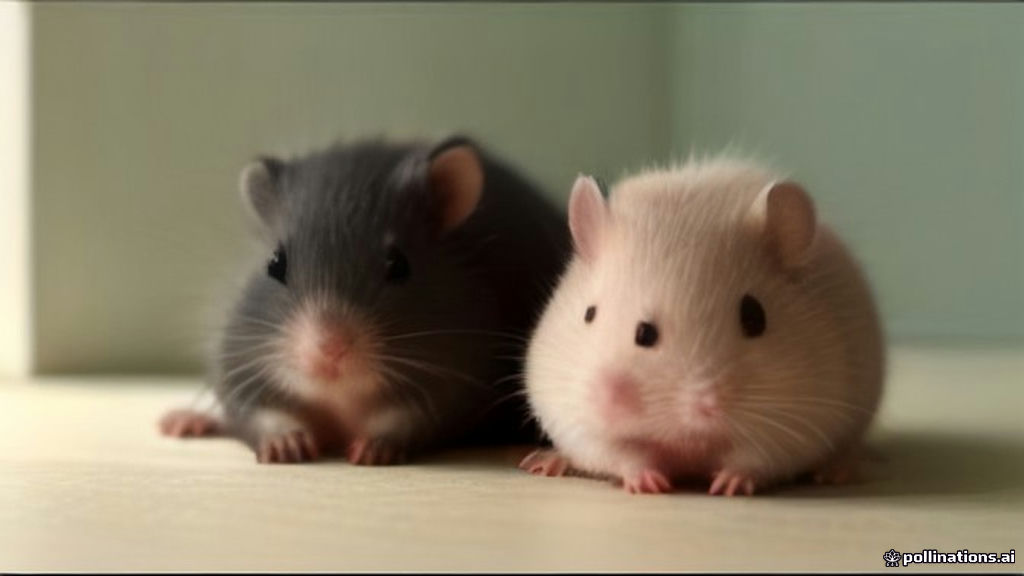
When you pour or spray bleach in an area frequented by rats, the intense chlorine odor completely overwhelms their sensory receptors. For a brief period:
- Existing scent trails left by the colony are temporarily masked or broken.
- The caustic smell creates a sensory overload, causing rats to momentarily avoid that exact path.
- Cleanliness reduces the organic food odors that initially attracted the rodents to the space.
However, rats are remarkably adaptable and intelligent survivalists. Once the bleach dries and the volatile chlorine gas dissipates—usually within a few hours—the odor fades. Because bleach does not alter the underlying structural vulnerabilities of your home or eliminate the root attraction, the rats will simply resume using their pathways.
The Hidden Dangers of Using Bleach for Pest Control
Using bleach in an attempt to deter rats is not only largely ineffective; it can also be actively dangerous to your health, your home, and your domestic pets. Let us break down the primary hazards:
1. Toxic Chemical Reactions
Rats leave behind significant amounts of urine and droppings, which are high in ammonia. If you apply bleach directly over areas soiled by rodent urine, a chemical reaction occurs that releases chloramine gas. Inhaling chloramine causes respiratory irritation, coughing, chest pain, and pneumonia-like symptoms. Mixing bleach with other commercial cleaners can produce even more dangerous chlorine gas.
2. Danger to Domestic Pets and Wildlife
Cats, dogs, and even non-target wildlife share the home with you. Because bleach is highly caustic, leaving puddles or heavy residues of bleach on floors or baseboards can cause chemical burns on your pets’ paws, gastrointestinal illness if ingested during grooming, and severe respiratory distress.
3. False Sense of Security
Spraying bleach around a basement or garage might make the area smell clean, but it creates a false sense of security. While you are resting easy because of the chemical smell, a hidden rat population may be actively chewing through electrical wires behind your walls.
Bleach vs. Proven Rodent Control Methods
To help you weigh your options, let us compare bleach against industry-standard, scientifically backed rodent control methods in the table below.
| Method | Effectiveness | Safety Level | Cost & Longevity |
|---|---|---|---|
| Household Bleach | Very Low (Temporary masking only) | Hazardous (Toxic fumes, caustic) | Cheap, but requires constant reapplication |
| Essential Oils (Peppermint) | Low to Moderate (Short-term deterrent) | Safe for humans, caution around cats | Inexpensive, fades quickly |
| Sealing Entry Points (Exclusion) | High (Prevents future access) | Very Safe | Moderate cost, permanent solution |
| Snap Traps & Baiting | High (Direct population reduction) | Moderate (Keep away from pets) | Inexpensive, highly targeted |
What You *Should* Use Bleach For: Proper Cleanup
While bleach won’t keep living rats away, it plays a vital role after you have successfully eliminated the infestation. Hantavirus, Leptospirosis, and Salmonellosis are serious diseases transmitted through rodent droppings, urine, and saliva. Never sweep or vacuum dry rodent waste, as this aerosolizes dangerous pathogens.
Follow these safe cleaning steps:
- Put on rubber gloves and an N95 respirator mask.
- Spray the droppings, nests, and surrounding contaminated areas with a solution of 1 part bleach to 9 parts water (or a commercial disinfectant).
- Let the solution sit for 10 to 15 minutes to fully neutralize pathogens.
- Wipe up the mixture with paper towels and dispose of them in a sealed plastic bag.
- Wash your hands thoroughly afterward.
Concluding Summary: The Final Verdict
So, does bleach keep rats away? The definitive answer is **no**. Bleach is a powerful disinfectant and cleaning agent, but it is not a rodent repellent. Relying on bleach to solve a rat problem will only waste precious time while allowing the breeding population to expand. Instead of chasing quick-fix chemical odors, focus on permanent exclusion—sealing holes with steel wool and copper mesh, eliminating food sources, and deploying humane or snap traps. If your infestation is severe, always consult a licensed pest control professional to protect your home and health.

