
Key Takeaways
- Yes, rats are omnivores and will opportunistically eat ants if they encounter them.
- Ants are not a necessary part of a rat’s diet and provide no significant nutritional value.
- Insects can carry parasites, so intentional feeding is discouraged.
- A clean cage is the best way to prevent ant infestations around your pet rats.
The Omnivorous Nature of Rats
As a zoologist, I am frequently asked about the dietary boundaries of Rattus norvegicus (the Norway rat). To understand whether rats eat ants, we must first recognize that rats are archetypal opportunistic omnivores. Their evolutionary success is built upon their ability to consume almost anything that provides caloric density, including plant matter, grains, seeds, fungi, and animal proteins.
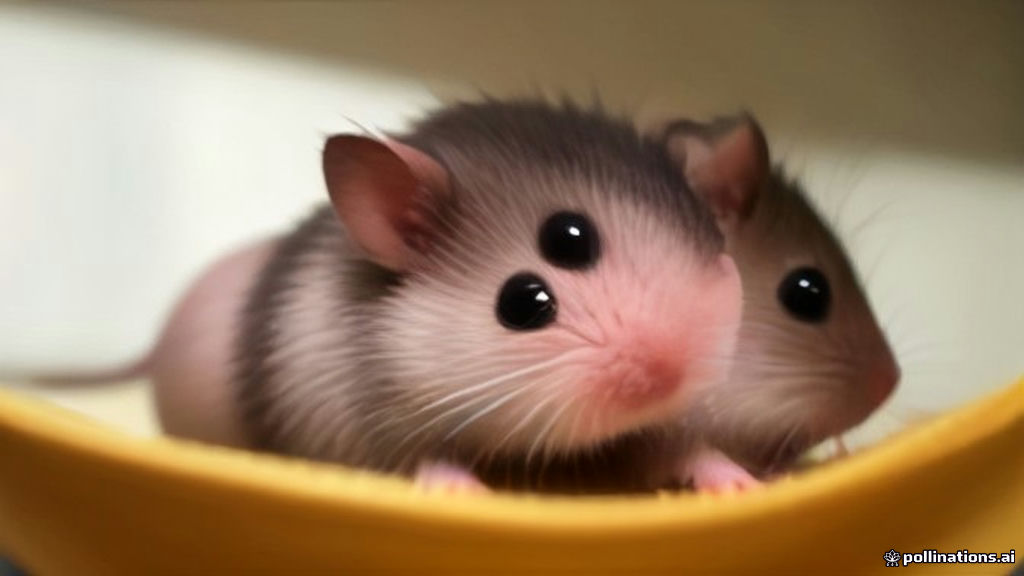
In the wild, a rat’s diet is highly fluid. If a rat discovers an ant colony or finds ants foraging on a piece of discarded fruit, it will often investigate and consume them. While ants are not a staple food source, they represent a small, crunchy, and protein-rich snack that a rat may find satisfying during a forage.
Are Ants Dangerous to Pet Rats?
Risk of Bites and Stings
While an adult rat is far larger than an ant, there are legitimate concerns when an infestation occurs inside a cage environment. Certain species of ants, such as fire ants or carpenter ants, can bite or sting. If a large number of ants swarm a rat—particularly a nursing mother with pups or an injured individual—they can cause significant irritation or stress.
Parasitic and Bacterial Transmission
Beyond physical bites, ants are known carriers of bacteria and can act as intermediate hosts for various parasites. If your pet rat consumes ants that have been crawling through waste or contaminated soil, they may ingest pathogens. For this reason, you should never intentionally feed your rat ants or allow them to forage in areas where ants are present.
Managing Ant Infestations in Your Rodent’s Home
Preventing ants from entering your rat’s habitat is a matter of proactive husbandry. Ants are usually attracted to the cage by leftover food rather than the rats themselves.
| Action | Impact on Pest Control |
|---|---|
| Daily spot cleaning | Removes food crumbs and sugar sources. |
| Sealing food containers | Eliminates the scent trail for foragers. |
| Elevating the cage | Makes it more difficult for terrestrial ants to access. |
Best Practices for Cage Hygiene
- Remove Fresh Produce: Do not leave fresh vegetables or fruits in the cage for more than a few hours. These are the primary attractants for ants.
- Wipe Down Surfaces: Use a rat-safe vinegar solution to wipe down the exterior of the cage and the surrounding floor to disrupt ant pheromone trails.
- Examine Bedding: Ensure that your bedding choice is dry and kept in a sealed container, as ants love moist, organic environments.
Nutritional Considerations
Some owners wonder if insects should be a part of a rat’s diet. While rats can digest chitin, providing ants as a food source is nutritionally redundant. A high-quality lab block (kibble) designed for rats, supplemented with occasional fresh vegetables and limited protein (such as boiled egg or mealworms), is far superior to allowing them to hunt for household insects.
Conclusion
To summarize, while rats can and sometimes do eat ants due to their opportunistic nature, it is not a behavior you should encourage. The risk of parasite transmission and the potential for pests to irritate your pet outweighs any nutritional benefit. Focus on keeping your rat’s living environment clean, dry, and free from loose food particles, and you will effectively eliminate the ant problem. Always prioritize a balanced, vet-approved diet to ensure your rat remains in peak physical condition.

