
Key Takeaways
- Rare Direct Predation: While rats are opportunistic omnivores, adult squirrels are rarely hunted and killed by rats due to similar or superior size and agility.
- Resource Competition: Most conflict between rats and squirrels centers on food sources (bird feeders, nuts) and nesting territory rather than outright predatory attacks.
- Size Matters: Large Norway rats can occasionally bully or injure juvenile squirrels, but healthy adult tree squirrels easily hold their ground.
- Urban Coexistence: Both species frequently share city parks and suburban yards, usually avoiding direct physical confrontation through behavioral pacing.
When observing backyard wildlife, homeowners often wonder about the interactions between different urban rodents. Specifically, many people ask: do rats attack squirrels? At first glance, both creatures belong to the order Rodentia, share similar diets, and frequently cross paths in urban and suburban ecosystems. However, their relationship is nuanced, defined far more by competition for resources than by active predation.
As experts at Rodents Info, we dive deep into rodent ethology to separate wildlife myths from biological realities. In this comprehensive guide, we will analyze the nature of rat and squirrel interactions, examine whether rats pose a genuine threat to squirrels, and explore how these two adaptable animals navigate shared habitats.
Understanding the Nature of Rats and Squirrels
To understand whether rats attack squirrels, it helps to examine the ecological niches and behavioral traits of both animals. While both are highly intelligent, adaptable rodents, their evolutionary strategies differ significantly.
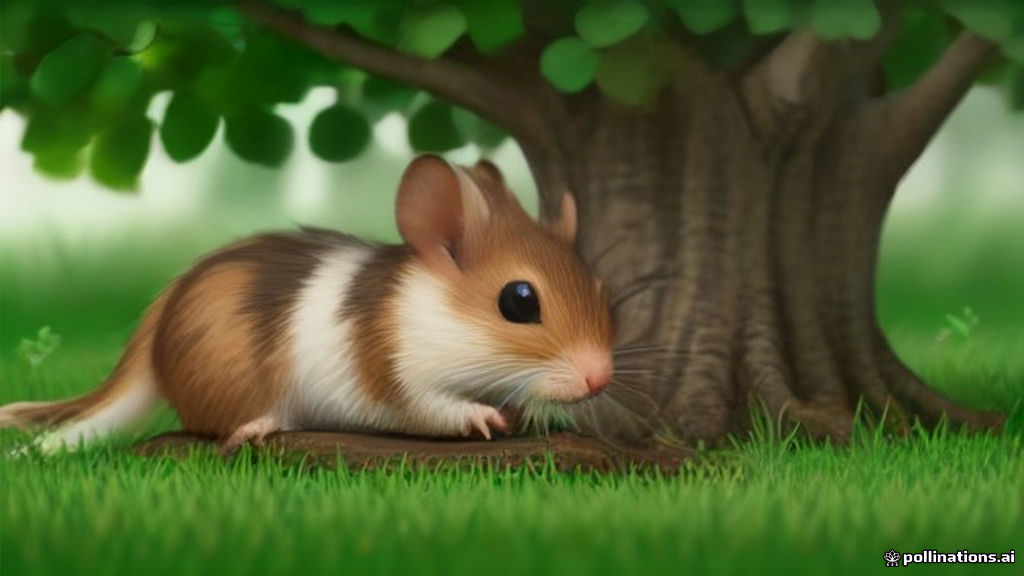
Rats—particularly the Norway rat (Rattus norvegicus) and the roof rat (Rattus rattus)—are primarily nocturnal, ground-dwelling or climbing scavengers. They live in hierarchical colonies, possess a high reproductive capacity, and have teeth capable of chewing through tough urban materials. Squirrels, such as the eastern gray squirrel, are diurnal (active during the day), highly arboreal, territorial, and rely heavily on vision and agility to escape danger.
Are Rats Predators to Squirrels?
In biological terms, a predator hunts and kills another animal for food. While rats are opportunistic omnivores that will consume meat, insects, and occasionally small vertebrates when starving, healthy adult squirrels are not part of a rat’s regular diet.
An adult squirrel is fast, agile, and equipped with sharp incisors and powerful claws used for climbing and defense. A rat attempting to aggressively hunt an adult squirrel would face severe retaliation. Therefore, unprovoked predatory attacks by rats on healthy adult squirrels are exceedingly rare.
Direct Conflict: When Do Rats Attack Squirrels?
While outright predation is uncommon, aggressive encounters do happen under specific circumstances. Understanding these catalysts helps clarify why a homeowner might occasionally witness a clash between the two species.
- Nesting Site Disputes: When urban populations surge, nesting spaces become scarce. Rats seeking subterranean burrows or warm cavities may clash with squirrels attempting to nest in similar protected structures.
- Food Competition: Bird feeders, fallen fruit, and garbage cans attract both species simultaneously. High-value food sources frequently trigger aggressive posturing, lunging, and chasing.
- Vulnerable Juveniles: If a rat encounters a fallen, injured, or newborn squirrel kit that lacks maternal defense, an opportunistic rat may attack and consume it.
- Cornered Animals: Any wild animal backed into a tight space will fight. If a squirrel accidentally enters a dense rat harborages or vice versa, a violent scuffle can ensue.
Comparing Rat vs. Squirrel Behaviors and Strengths
To better understand how these animals interact during disputes, let us compare their key survival traits in a side-by-side breakdown:
| Trait | Urban Rats (Norway/Roof) | Tree Squirrels |
|---|---|---|
| Activity Cycle | Primarily nocturnal / crepuscular | Strictly diurnal (daytime) |
| Habitat Preference | Burrows, basements, sewers, low structures | Trees, high branches, roof cavities |
| Social Structure | Colony-oriented, highly cooperative | Semi-solitary, territorial |
| Defensive Strategy | Fleeing, biting, collective colony defense | Vertical escape, speed, agile evasion, biting |
Resource Competition: The Real Battleground
Rather than physical warfare, the primary interaction between rats and squirrels is competition. Because they eat similar foods—including seeds, nuts, grains, and fruits—they often compete for the same suburban buffet.
Squirrels have the advantage during daylight hours, monopolizing bird feeders and nut trees. However, rats take over the night shift, feeding on leftovers and scavenging areas that squirrels abandoned at dusk. This temporal separation minimizes direct physical conflict, allowing both species to thrive in close proximity to human settlements.
Can Squirrels Chase Away Rats?
Surprisingly, yes. Territorial squirrels will often harass, chase, and mob smaller animals that invade their immediate feeding zones. While rats are formidable adversaries, daytime encounters usually favor the high-energy, aggressive posturing of a defending squirrel.
Managing Shared Rodent Pressures in Your Yard
If you are noticing both rats and squirrels around your property, it is important to address both populations effectively without harming non-target wildlife like squirrels.
- Secure Bird Feeders: Use baffle guards and clean up fallen seed daily. Spilled seed is the number one attractant for nocturnal rats.
- Seal Entry Points: Prevent both rats and squirrels from entering attics, crawlspaces, and sheds using heavy-duty galvanized steel mesh.
- Proper Waste Management: Keep garbage bins tightly sealed and compost bins securely enclosed.
- Targeted Control: When deploying rodenticides or traps for rat control, ensure they are placed in tamper-resistant stations inaccessible to climbing squirrels and domestic pets.
Conclusion
So, do rats attack squirrels? Not in the traditional predatory sense. While urban rats are fierce survivors and opportunistic omnivores, healthy adult squirrels are simply too agile and well-defended to be regular prey. Instead, their relationship is characterized by indirect competition for food, shelter, and urban real estate. By understanding these dynamics, property owners can better manage backyard wildlife and secure their homes against unwanted rodent intrusions.

