
Key Takeaways
- Tropical Origins: African Pygmy hedgehogs originate from warm climates and cannot tolerate cold temperatures.
- Fatal Hibernation: Temperatures dropping below 72°F (22°C) can trigger a dangerous, often fatal state called attempted hibernation.
- Essential Equipment: A ceramic heat emitter (CHE) paired with a reliable digital thermostat is mandatory for proper habitat setup.
- Monitoring: Always use multiple thermometers placed at cage level to accurately track ambient temperatures.
Understanding Hedgehog Temperature Requirements
When bringing home a pet African Pygmy hedgehog, one of the most critical aspects of husbandry you must master is climate control. A common question among first-time owners is: do hedgehogs need a heat lamp? The short and absolute answer is yes. Unlike rodents native to temperate zones, African Pygmy hedgehogs lack the biological mechanisms to handle indoor drafts or drops in room temperature.
In the wild, these animals inhabit the savannas and semi-arid regions of Central and East Africa. Their bodies are evolutionarily tuned to consistent, warm temperatures ranging between 74°F and 80°F (23°C to 27°C). Standard household temperatures in North America and Europe—often kept around 68°F to 70°F—are far too cold for them to thrive safely over long periods.
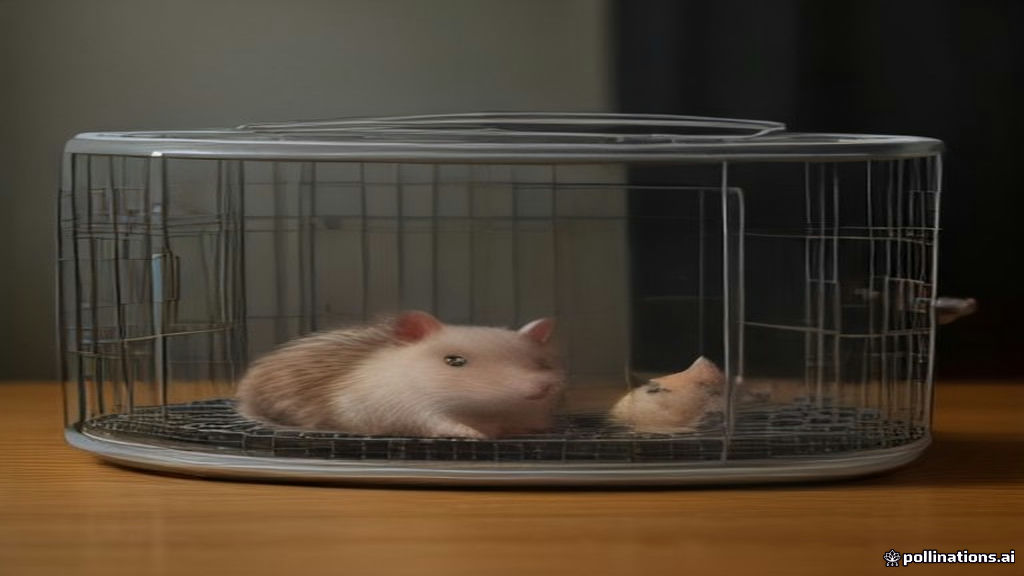
The Dangers of Attempting Hibernation
Many novice owners mistakenly believe that because hedgehogs are mammals, they can hibernate just like wild hedgehogs in Europe. However, pet African Pygmy hedgehogs do not possess the physiological adaptations required to survive hibernation. When their environment drops below roughly 72°F (22°C), their body temperature plummets, triggering a state known as “attempted hibernation” or torpor.
Attempting hibernation is a medical emergency for a hedgehog. Symptoms include:
- Sluggishness, lethargy, or limpness when handled.
- Cold belly and limbs (often compared to the temperature of an ice cube).
- Loss of appetite and refusal to drink water.
- Bubbly or irregular breathing patterns.
If left uncorrected, a hibernating hedgehog will experience organ failure and death within days. Because of this severe risk, investing in a robust heating setup isn’t optional—it is a core requirement for responsible ownership.
Setting Up the Ideal Hedgehog Heating System
To maintain a stable, safe tropical microclimate inside your hedgehog’s enclosure, you need more than just a standard incandescent light bulb. Because hedgehogs are nocturnal creatures, any heating solution must emit heat without producing light, as visible light will disrupt their natural sleep-wake cycle.
Ceramic Heat Emitters vs. Other Options
The gold standard in hedgehog care is the Ceramic Heat Emitter (CHE). Unlike colored reptile bulbs (which can still emit faint light) or space heaters (which pose high fire risks and dry out the air dangerously), a CHE screws into a standard ceramic light fixture and radiates pure, dry infrared heat downward.
| Heating Method | Emits Light? | Safety Level | Effectiveness |
|---|---|---|---|
| Ceramic Heat Emitter (CHE) | No | High (with protective cage) | Excellent |
| Colored Reptile Bulbs | Faint Glow | Moderate | Moderate |
| Space Heaters | No | Low (fire & drying risk) | Poor (hard to regulate) |
The Importance of a Digital Thermostat
A heat lamp should never be plugged directly into a standard wall outlet. Unregulated heating elements can easily overheat the enclosure, leading to heat exhaustion, dehydration, or burns. Always pair your ceramic heat emitter with a quality reptile thermostat equipped with a probe.
- Position the Probe: Place the thermostat probe at cage floor level, ideally in the middle of the enclosure where your hedgehog spends most of its time.
- Set the Parameters: Program the thermostat to turn the heat lamp on if the temperature drops below 74°F and off once it reaches 78°F.
- Use Backup Thermometers: Hang separate analog or digital thermometers on opposite sides of the cage to monitor temperature gradients.
Practical Tips for Maintaining Cage Temperature
Keeping a stable environment requires vigilance, especially during seasonal transitions. Here are practical steps to ensure your pet stays comfortable year-round:
- Avoid Drafts: Keep the enclosure away from exterior doors, windows, and air conditioning vents. Drafts can cause sudden temperature drops even if the room feels warm.
- Insulate Glass or Wire: If you use a wire cage, consider covering part of the sides with acrylic panels or fleece liners to trap warm air inside while maintaining adequate ventilation.
- Prepare for Power Outages: Have emergency heating supplies on hand, such as hand warmers (safely wrapped in fleece) and insulated blankets, in case of a winter storm or blackout.
Concluding Summary
Do hedgehogs need a heat lamp? Absolutely. Providing reliable, thermostatically controlled heat is one of the most important duties a hedgehog owner undertakes. By investing in a proper ceramic heat emitter setup and monitoring ambient temperatures daily, you protect your delicate pet from the life-threatening dangers of torpor and ensure they live a long, healthy, and cozy life.

