
- Yes, they are born with spines: However, the spines are submerged under a fluid-filled layer of skin (edema) during birth.
- Protective Mechanism: This fluid layer prevents the sharp quills from injuring the mother during the birthing process.
- Rapid Emergence: The spines begin to emerge from the skin within hours of birth as the fluid is reabsorbed.
- Natal Quills: These first spines are soft, white, and temporary, eventually replaced during a process called ‘quilling.’
As a zoologist specializing in small mammals, one of the most frequent questions I receive from enthusiasts at Rodents Info is: are hedgehogs born with spines? It is a logical question—after all, the idea of giving birth to a ball of needles sounds like a biological nightmare. The answer is a fascinating example of evolutionary ingenuity.
Hedgehogs are not rodents (they belong to the order Eulipotyphla), but they share many care requirements with our favorite rodent pets. Understanding their unique anatomy, especially during the neonatal stage, is crucial for anyone considering breeding or rescuing these charismatic insectivores. In this guide, we will peel back the layers of mystery surrounding hedgehog birth and the development of their iconic quills.
The Biological Magic: How Hedgehogs Are Born Without Hurting Their Mothers
To answer the core question: yes, hedgehogs are technically born with spines, but they aren’t visible or sharp at the exact moment of delivery. If a hedgehog were born with its adult-like, rigid quills exposed, the mother’s birth canal would suffer catastrophic damage. Nature has solved this problem through a process called subcutaneous edema.
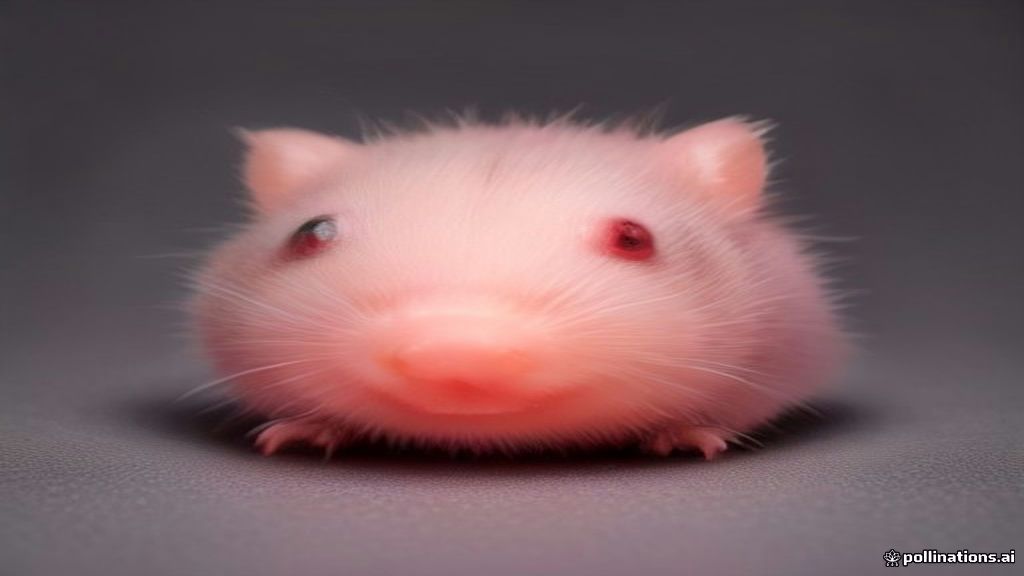
At birth, a hoglet’s skin is heavily swollen with fluid. This protective, pimply-looking layer completely covers the roughly 100 to 150 white, soft spines the baby possesses. This fluid acts as a cushion, ensuring the hoglet is smooth and slippery during the transit through the birth canal. To the naked eye, a newborn hoglet looks like a small, pink, vibrating jellybean.
The First 24 Hours: The Great Emergence
Within hours of being born—sometimes as quickly as 30 minutes to six hours—the fluid in the hoglet’s skin begins to recede. As the swelling goes down, the first set of quills, known as natal spines, begin to poke through the surface. These spines are distinct from adult quills; they are much softer, lacks the pigment of adult spines, and are primarily white.
By the time a hoglet is 24 hours old, it is already covered in a thin coat of these “baby spines.” They are still relatively soft to the touch compared to the armor of an adult, but they provide the first line of defense for the vulnerable newborn.
Comparing Developmental Stages of Hedgehog Spines
Hedgehog quills undergo a significant transformation as the animal matures. It is helpful to understand the three distinct stages of quill development to monitor the health of a growing hoglet.
| Stage | Timeline | Characteristics |
|---|---|---|
| Neonatal (Hidden) | At Birth | Spines are entirely submerged under fluid-filled skin (edema). |
| Natal Spines | Day 1 to Week 3 | Soft, white, and flexible. Non-pigmented. |
| Transitionary Spines | Week 4 to Week 8 | Darker, thicker spines begin to emerge among the white natal ones. |
| Adult Spines | 6 Months+ | Hard, keratinized, and fully pigmented with bands of color. |
The ‘Quilling’ Phase: The Hedgehog’s Version of Teething
Just as humans lose baby teeth, hedgehogs lose their natal spines. This process is known as quilling. It is a vital but often stressful period for both the hedgehog and the owner. Quilling typically begins around four weeks of age and can happen in several waves until the hedgehog reaches six months.
During quilling, the soft white natal spines fall out to make room for thicker, harder, and more colorful adult spines. Because these new quills must pierce through the skin, the hedgehog’s back can become very sensitive and tender. You may notice your hedgehog becoming cranky, huffing more than usual, or resisting being touched. As a specialist, I recommend providing oatmeal baths during this time to soothe the skin.
Signs Your Hedgehog is Quilling:
- Finding small, white quills on the floor of the cage.
- Increased irritability or ‘balling up.’
- Decreased appetite due to discomfort.
- Skin redness or minor dry patches on the back.
Safety and Care for Newborn Hoglets
If you are a pet owner whose hedgehog has recently given birth, the most important advice I can give is do not handle the newborns. Mother hedgehogs are notoriously prone to stress. If they smell human scent on their babies or feel threatened, they may abandon or even cannibalize the litter.
Tips for Early Life Management:
- Leave the Nest Alone: Avoid looking into the nest for the first two weeks.
- Quiet Environment: Move the cage to a low-traffic area of your home to prevent startling the mother.
- High-Protein Diet: Ensure the mother has access to high-quality cat food or specialized hedgehog kibble to support lactation.
- Hydration: Monitor the water bottle or bowl constantly; nursing mothers require significant hydration.
Summary of the Hedgehog Birth Process
In conclusion, the biological adaptation of the hedgehog birth is one of the most elegant solutions in the animal kingdom. By temporarily hiding their sharpest feature under a layer of fluid, they manage to enter the world safely without harming the parent. Within just a few days, these soft pink creatures transform into the prickly, adorable animals we recognize. Understanding the transition from natal quills to adult armor is essential for any responsible keeper, ensuring that these unique mammals receive the care and patience they need during their most vulnerable stages of development.

