
- Yes, hedgehogs are physically prickly due to their specialized keratin quills.
- Holding a relaxed hedgehog feels more like a stiff hairbrush than a bed of needles.
- When stressed or defensive, hedgehogs roll into a tight ball and raise their quills sharply.
- Regular, gentle handling and socialization help hedgehogs feel secure and reduce defensive behaviors.
When people think about exotic pets, hedgehogs frequently top the list due to their adorable faces and unique appearance. However, one of the most common questions prospective owners ask our zoological team at Rodents Info is: are hedgehogs prickly to hold? The short answer is yes, absolutely. Hedgehogs are covered in thousands of modified hairs called quills, which serve as their primary defense mechanism in the wild.
Yet, the reality of holding a hedgehog is far more nuanced than a simple “yes” or “no.” The sensation changes dramatically depending on whether the animal is relaxed or frightened. In this comprehensive guide, we will break down the anatomy of hedgehog quills, what it genuinely feels like to hold them, and how you can build a trusting bond with your spiky companion.
The Anatomy of Hedgehog Quills
To understand why hedgehogs feel the way they do, it helps to look at their natural biology. A typical African pygmy hedgehog (the most common pet species) possesses between 5,000 and 7,000 quills. These quills are hollow shafts made of keratin—the exact same protein found in human hair and fingernails.
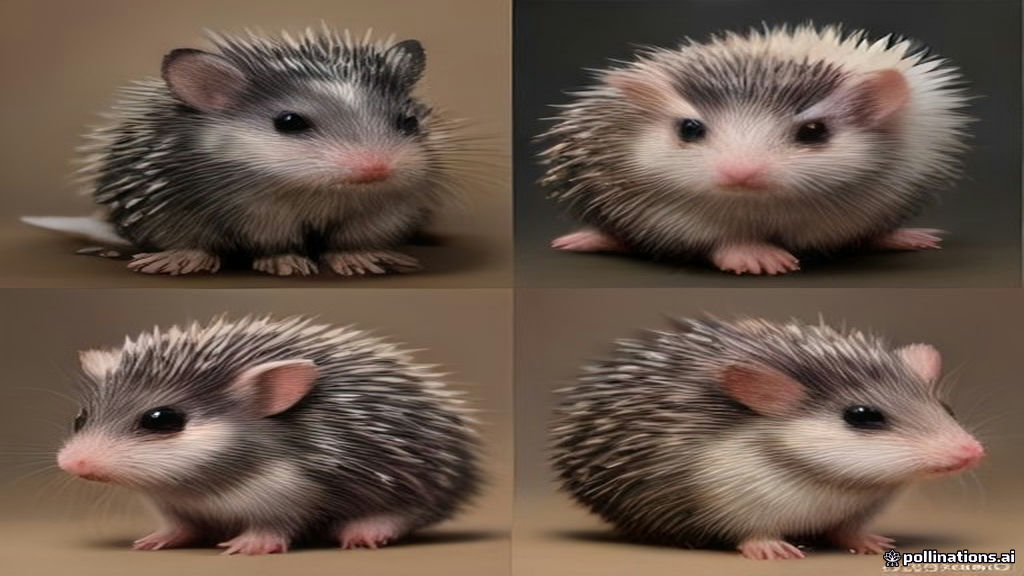
Unlike porcupine quills, hedgehog quills do not detach easily from the skin, nor do they feature barbed tips designed to embed in predators. Instead, they are firmly rooted in a thick layer of subcutaneous muscle across the hedgehog’s back and flanks. When the animal is calm, these quills lie flat and point backward, creating a surprisingly manageable texture.
What Does It Actually Feel Like to Hold a Hedgehog?
Many first-time owners are pleasantly surprised the first time they hold a relaxed hedgehog. Because the quills point backward, stroking a calm hedgehog from head to tail feels similar to running your hand over a stiff, rigid hairbrush or a coarse scrubbing brush. It is firm and textured, but it rarely punctures the skin.
However, the experience shifts entirely when the hedgehog feels threatened, startled, or uncomfortable. Under stress, a hedgehog activates specialized muscles beneath its skin to pull its quills up, out, and in multiple directions. In this defensive posture, touching the animal feels much sharper and can prick your skin, causing mild discomfort or tiny pinpricks.
Comparison: Relaxed vs. Defensive States
| Hedgehog State | Quill Position | Sensation When Handled |
|---|---|---|
| Relaxed / Calm | Flattened backward | Stiff hairbrush; manageable and smooth in one direction |
| Alert / Curious | Slightly raised | Firm bristles; pricklier, requires gentle confidence |
| Defensive / Scared | Tightly balled, pointing outward | Sharp needles pointing in all directions; difficult to hold bare-handed |
Step-by-Step Guide to Safely Handling a Hedgehog
Mastering the art of holding a hedgehog minimizes stress for both you and your pet, reducing the likelihood that they will ball up and prick you. Follow these steps for successful handling sessions:
- Approach Calmly: Avoid sudden movements or loud noises that might startle your hedgehog. Let them sniff your hand first so they recognize your scent.
- Scoop, Don’t Grab: Never grab a hedgehog from above, as this mimics a predatory bird attack. Instead, gently slide both hands underneath their belly, scooping them upward.
- Support the Weight: Keep your hands cupped securely, allowing the hedgehog to rest comfortably in your palms.
- Wear a Bonding Scarf or Glove (Initially): If your hedgehog is young or particularly defensive, using a fleece pouch or light gardening gloves can protect your hands while letting them get used to your presence.
Understanding Quilling: A Temporary Prickly Phase
If you notice your hedgehog becoming noticeably more irritable and prickly than usual, they may be going through a developmental phase known as “quilling.” Similar to birds molting or dogs blowing their coats, young hedgehogs lose their juvenile quills to make room for adult quills. This process can be quite uncomfortable and painful for the animal, leading to increased defensiveness and sensitivity to being touched.
Concluding Summary
So, are hedgehogs prickly to hold? Yes, they certainly are, but with the right expectations and handling techniques, that prickliness is completely manageable. While they will never feel as soft and cuddly as a plush rabbit or a guinea pig, their unique charm, quirky personalities, and manageable quill texture make them fascinating and rewarding exotic pets for dedicated owners.

