
Key Takeaways
- Taxonomic Clarity: While ‘Syrian hamster’ is common, comparing Syrian and dwarf species in a squirrel context involves specific arboreal wild or exotic pet distinctions.
- Size Discrepancies: Syrian-origin rodents are significantly larger, whereas dwarf species require specialized micro-habitats.
- Behavioral Traits: Syrian types are typically solitary and territorial, while dwarf variants often exhibit more social or colony-based dynamics depending on the exact species.
- Dietary Needs: Both require high-fiber, nutrient-dense diets, but portion control and foraging enrichment differ vastly based on metabolic rates.
When diving into the fascinating world of arboreal rodents, enthusiasts and researchers often find themselves comparing different branches of the Sciuridae family, or confusing them with related small mammals like hamsters. At Rodents Info, we frequently receive inquiries regarding the Differences Between Syrian and Dwarf Squirrels. Whether you are looking at wild exotic species adaptations or navigating specialized pet care, understanding the physiological and behavioral distinctions between these animals is crucial for providing proper husbandry and appreciation.
In this comprehensive guide, we will break down the taxonomy, physical characteristics, housing needs, behavioral quirks, and nutritional requirements of these two distinct types of rodents to give you a complete zoological overview.
Taxonomic Background and Origins
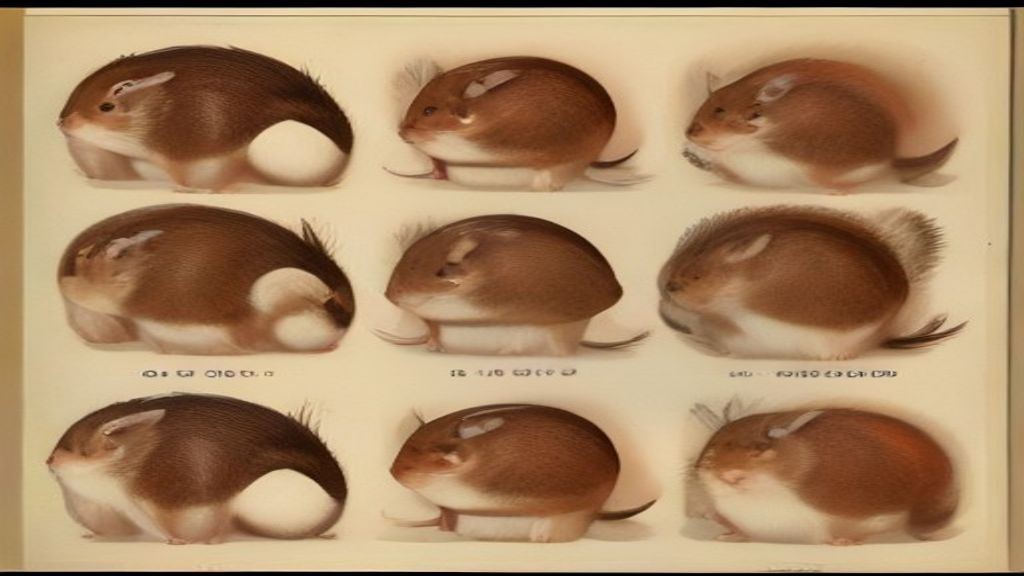
To truly understand the differences between Syrian and dwarf squirrels, we must first look at their geographical roots and evolutionary paths. Rodents native to the Middle Eastern region, particularly the Levant and Syrian territories, have evolved distinct survival mechanisms to cope with arid, rocky, or sparse woodland environments. On the other hand, dwarf squirrel species—often hailing from the dense tropical rainforests of Southeast Asia or specific temperate zones—have adapted to life high in the forest canopy.
Defining the Syrian Rodent Profile
When people refer to ‘Syrian’ in the context of popular pet rodents, they are usually thinking of the Syrian hamster (*Mesocricetus auratus*). However, true squirrel species originating from or inhabiting the broader Syrian and Middle Eastern bio-regions (such as certain sub-species of tree squirrels or ground-dwelling sciurids) exhibit distinct adaptations for surviving warm, dry climates with seasonal fluctuations. They possess robust body frames and dense fur coats designed for thermal regulation.
Defining the Dwarf Squirrel Profile
Dwarf squirrels, primarily belonging to genera such as *Prosciurillus* (pygmy tree squirrels) or *Exilisciurus* (the world’s smallest squirrels found in Borneo), are marvels of evolution. Weighing mere ounces and measuring only a few inches in body length, these tiny acrobats are built for hyper-agile movement through thick foliage, utilizing their exceptionally long tails for precise balance.
Core Comparison: Physical Characteristics and Size
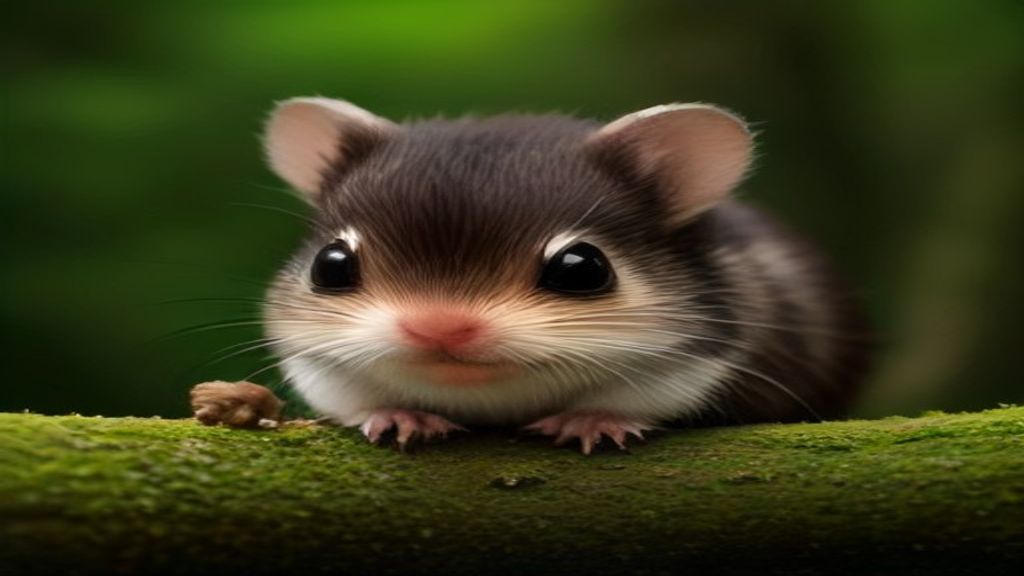
The most immediate distinction between these two groups is their physical stature. Size influences everything from enclosure requirements to metabolic rates and lifespan.
| Feature | Syrian-Region Rodent Variants | Dwarf Squirrel Species |
|---|---|---|
| Average Weight | 120g – 200g+ (varies by exact species) | 15g – 50g |
| Body Length | 6 to 8+ inches | 2.5 to 4.5 inches (excluding tail) |
| Tail Structure | Sturdy, moderately bushy | Extremely long, highly dexterous, feathered |
| Coat Type | Dense, short-to-medium guard hairs | Soft, plush fur optimized for tropical or temperate canopy life |
Behavioral Patterns and Social Structure
Behavior is heavily driven by ecological niche. Because dwarf squirrels navigate high-canopy environments where predators come from the air and trees, their nervous system is hardwired for rapid flight responses and high energy bursts. Conversely, ground-dwelling or semi-arid Syrian rodent counterparts often exhibit more deliberate, burrowing, or territorial behaviors.
Territoriality: Syrian-type rodents are notoriously solitary as adults. Keeping them together often results in severe territorial aggression. Many dwarf squirrel species, depending on the exact wild classification, can display more complex social hierarchies or benefit from bonded pairs, though monitoring is always required.
Activity Cycles: While many true squirrels are strictly diurnal (day-active), desert or arid-region rodents may lean toward crepuscular habits (active at dawn and dusk) to avoid scorching midday heat.
Enrichment Needs: Dwarf squirrels demand intricate vertical climbing structures, aerial ropes, and hiding spots placed high off the ground. Syrian variants require deep bedding for burrowing and extensive floor space with tunnels.
Nutritional Requirements and Diet
Metabolic rate scales inversely with body size—meaning smaller animals burn energy much faster relative to their mass. Consequently, dwarf squirrels require high-calorie, nutrient-dense foods served in frequent, small portions. Their diet in the wild consists of specialized tree sap, nectar, tiny insects, soft fruits, and high-energy seeds.
Syrian-region rodents thrive on a balanced omnivorous or herbivorous diet rich in grass hays, hearty seeds, grains, vegetables, and targeted protein sources. Because they are prone to hoarding, caretakers must regularly check food caches to prevent spoilage and monitor caloric intake to avoid obesity.
Conclusion
Understanding the Differences Between Syrian and Dwarf Squirrels (and their related regional rodent counterparts) highlights the incredible diversity within the order Rodentia. From the arid-adapted, robust nature of Syrian phenotypes to the high-energy, hyper-agile canopy life of dwarf species, each group requires tailored housing, specialized diets, and a deep respect for their natural instincts. By catering to these specific biological needs, caretakers and researchers ensure optimal health and longevity for these remarkable animals.

