
Key Takeaways
- Behavioral Shifts: Sudden aggression, excessive grooming, or lethargy are primary red flags.
- Physical Indicators: Hair loss, rapid breathing, and sudden weight fluctuations point to acute or chronic distress.
- Environmental Factors: Loud noises, improper cage sizing, and poor temperature regulation often trigger anxiety in small mammals.
- Proactive Solutions: Enrichment, quiet surroundings, and predictable routines restore psychological well-being.
As dedicated pet owners and zoological specialists, ensuring the psychological well-being of small mammals is just as crucial as providing proper nutrition and clean housing. Rodents—including mice, rats, hamsters, guinea pigs, and chinchillas—are prey animals by nature. This evolutionary trait means they often mask vulnerability, making the signs of stress subtle and easily overlooked until the condition becomes severe.
At Rodents Info, we believe that understanding your pet’s emotional state is the cornerstone of exceptional rodent care. In this comprehensive guide, we will break down the exact behavioral, physical, and environmental indicators of stress so you can intervene early and keep your furry companion thriving.
1. Behavioral Signs of Stress in Rodents
Behavioral changes are typically the earliest indicators that a rodent is experiencing discomfort, fear, or anxiety. Because small mammals rely heavily on routine and predictable environments, any disruption can trigger distinct behavioral anomalies.
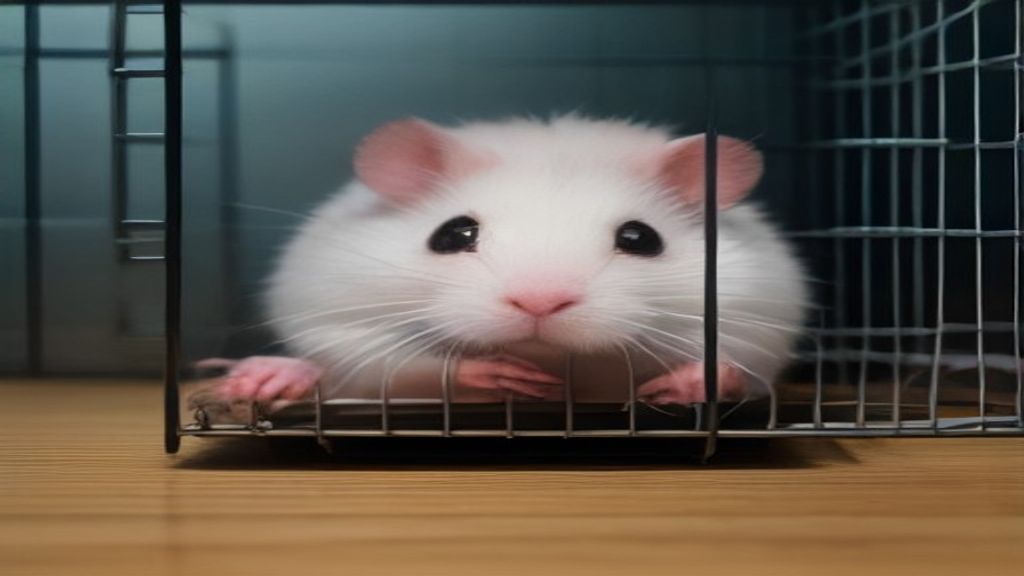
Stereotypic Behaviors (Cage Pacing and Bar Chewing)
One of the most recognizable signs of chronic stress or boredom is stereotypic behavior. This manifests as repetitive, unvarying actions with no apparent goal:
- Bar Chewing: Constantly gnawing on cage wires rather than appropriate wooden chew blocks often signals frustration or inadequate enclosure size.
- Pacing and Route-Tracing: Running back and forth along the exact same path repeatedly usually points to confinement stress or restricted living space.
- Constant Wheel Running: While exercise is normal, obsessive, frantic running without rest can be a compulsive response to anxiety.
- Optimize Habitat Placement: Keep enclosures away from high-traffic household areas, direct sunlight, loud appliances (like televisions or washing machines), and other predatory pets such as cats and dogs.
- Provide Safe Hiding Spots: Ensure every rodent has access to multiple opaque hides, tunnels, and nest boxes where they can retreat completely out of sight.
- Incorporate Foraging Enrichment: Scatter feed or use puzzle toys instead of standard bowls to stimulate natural foraging instincts and alleviate boredom.
- Maintain Predictable Routines: Feed, clean, and interact with your pets around the same times each day to build a sense of security and trust.
Aggression and Defensive Posturing
A sudden shift in temperament should always raise a red flag. If a normally docile pet rodent begins hissing, squeaking, lunging, or biting when approached, it is experiencing heightened fear. Defensive posturing—such as freezing, turning on its back, or puffing up fur—indicates the animal feels intensely threatened by its surroundings or handling methods.
2. Physical and Physiological Indicators
When stress becomes chronic, it suppresses the immune system and manifests in physical symptoms. Monitoring your pet’s bodily condition is vital for catching stress-related illnesses early.
Over-Grooming and Barbering
While rodents groom themselves frequently, stress can escalate this into obsessive-compulsive grooming. You may notice patchy hair loss (alopecia), raw skin, or broken fur. In multi-pet enclosures, dominant animals may “barber” subordinate cage mates, chewing off their whiskers or patches of fur as an expression of social tension.
Changes in Appetite and Weight Fluctuation
Stress directly impacts the digestive and endocrine systems. Stressed rodents may completely stop eating (anorexia) or, conversely, engage in stress-eating. Tracking your pet’s weight weekly is a reliable way to catch silent stressors before they result in major health crises like hepatic lipidosis or severe gastrointestinal stasis.
3. Environmental Triggers: Why Is Your Rodent Stressed?
Identifying the root cause of stress is essential for effective intervention. The table below outlines common environmental triggers and their typical behavioral manifestations in popular rodent species.
| Environmental Stressor | Affected Species | Primary Symptoms |
|---|---|---|
| Excessive Noise & Traffic | Hamsters, Mice | Hiding constantly, daytime wakefulness, startling easily |
| Inadequate Cage Size | Rats, Guinea Pigs | Bar chewing, pacing, inter-pet fighting |
| Incorrect Temperature | Chinchillas, Degu | Lethargy, heat stress, heavy panting |
| Lack of Social Companionship | Guinea Pigs, Rats | Depression, self-isolation, excessive barbering |
4. Practical Steps to Reduce Stress and Promote Well-Being
Mitigating stress requires a holistic approach to your rodent’s habitat, diet, and daily routine. Implement these practical strategies to create a calm, enriching environment:
Conclusion
Recognizing the signs of stress in rodents requires a blend of keen observation and empathetic understanding. By tuning into subtle behavioral shifts, monitoring physical health, and optimizing their environment, you can dramatically improve your pet’s quality of life. Always consult an exotic veterinarian if stress-related symptoms persist or if you suspect an underlying medical issue.

